Address
Mengzhuang Industrial Park
Zaozhuang, Shandong, China
Work Hours
Mon - Fri: 09:00 - 18:00
UTC+8 China Time
Address
Mengzhuang Industrial Park
Zaozhuang, Shandong, China
Work Hours
Mon - Fri: 09:00 - 18:00
UTC+8 China Time


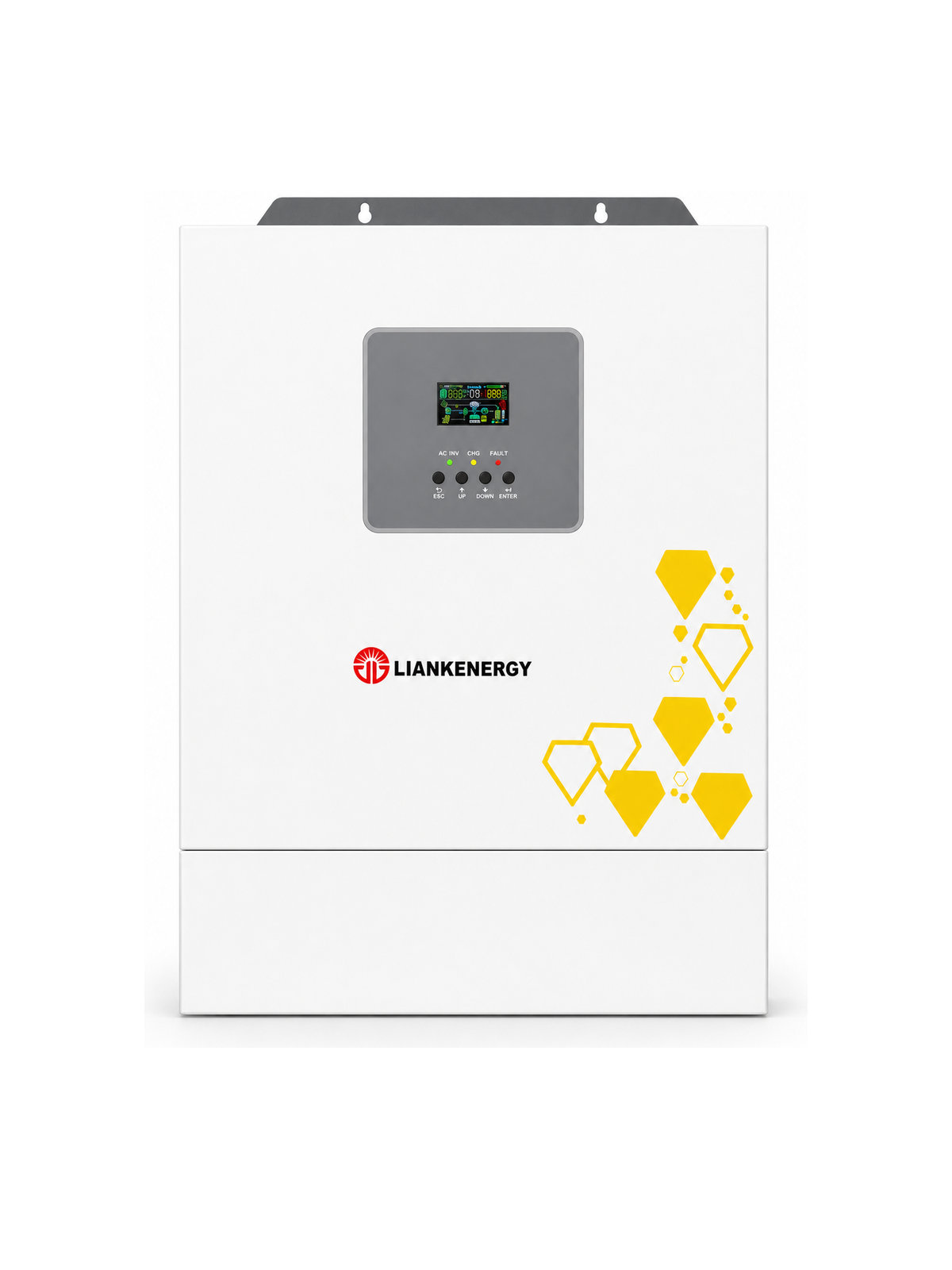
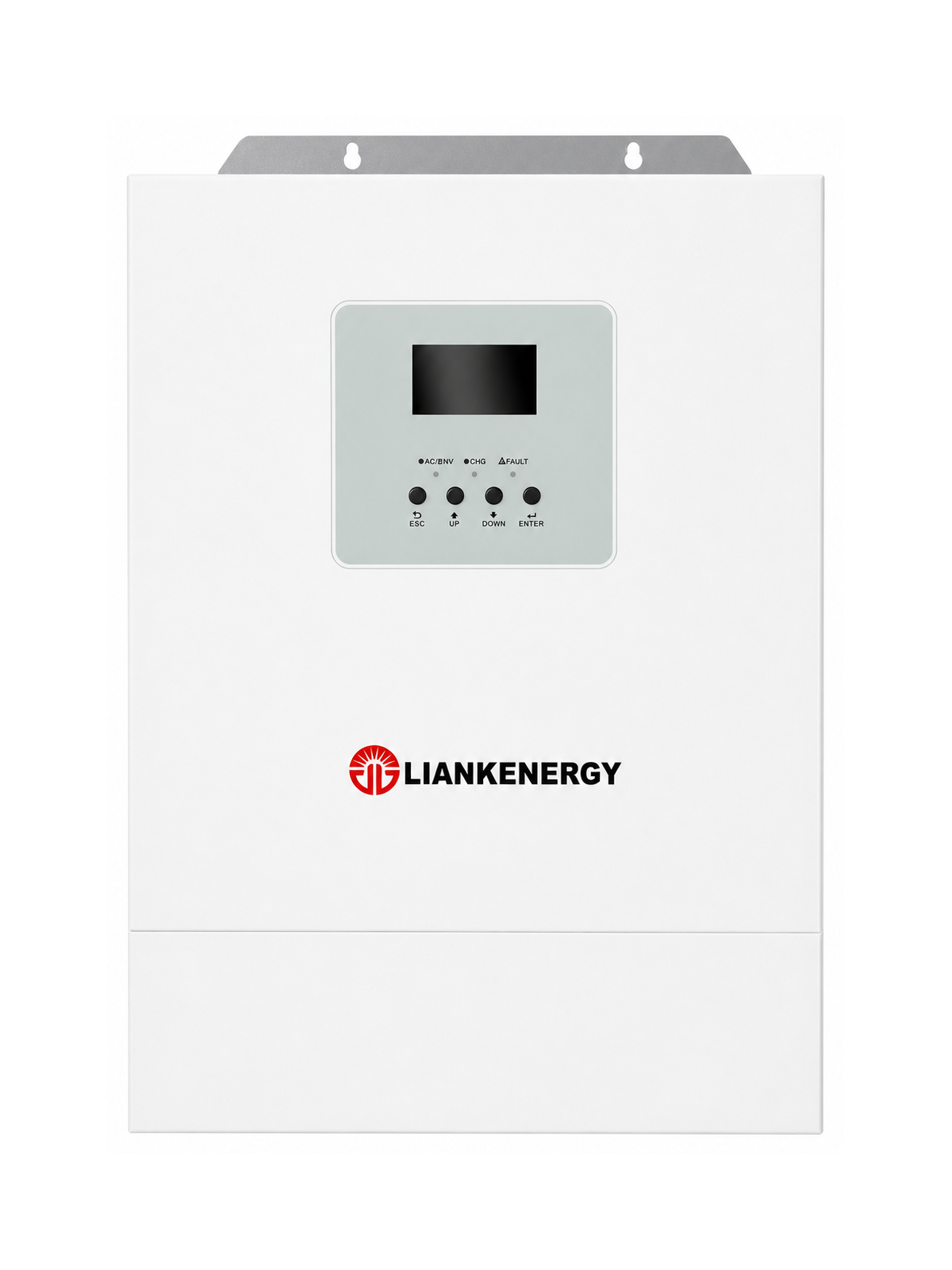
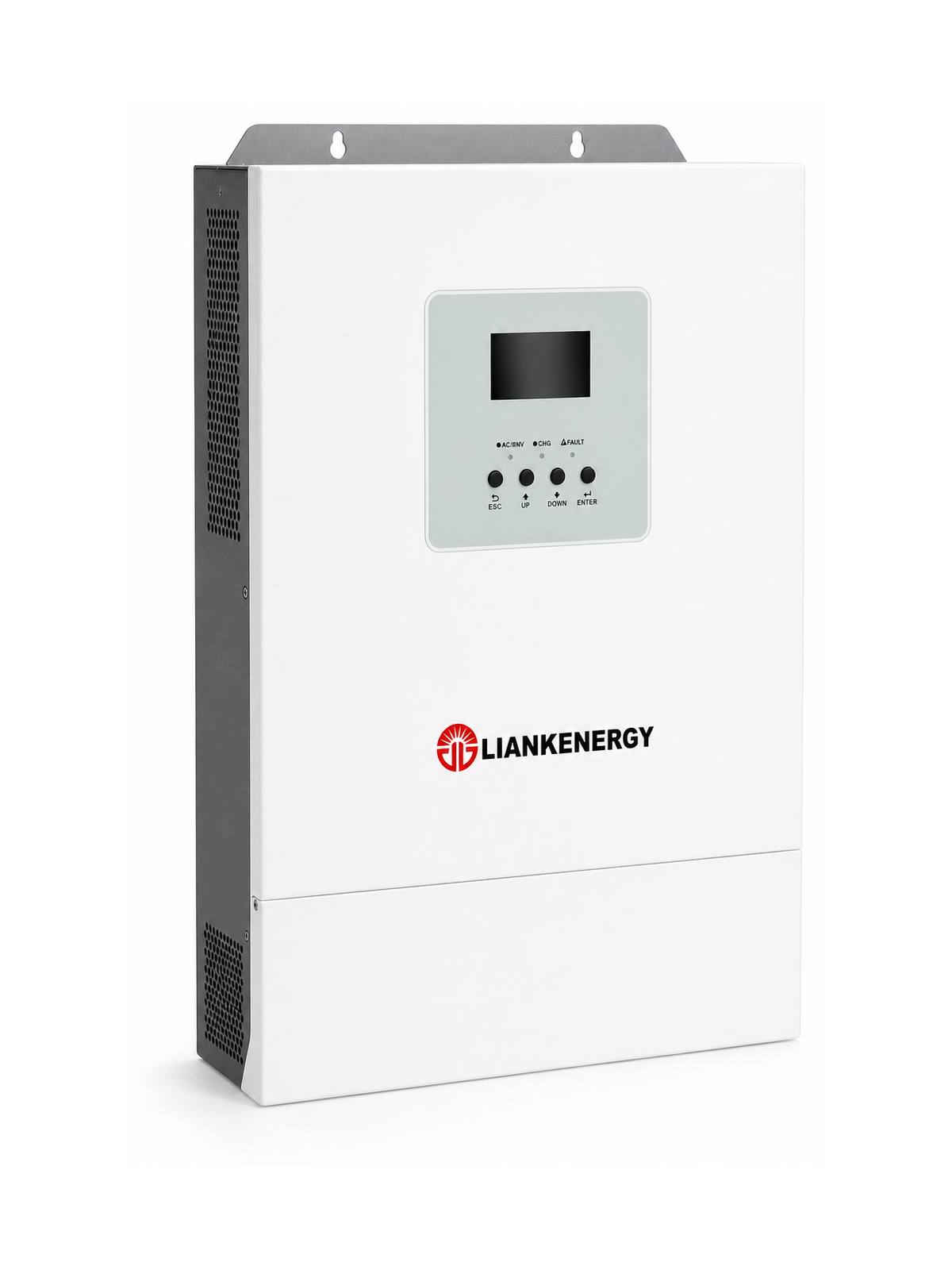
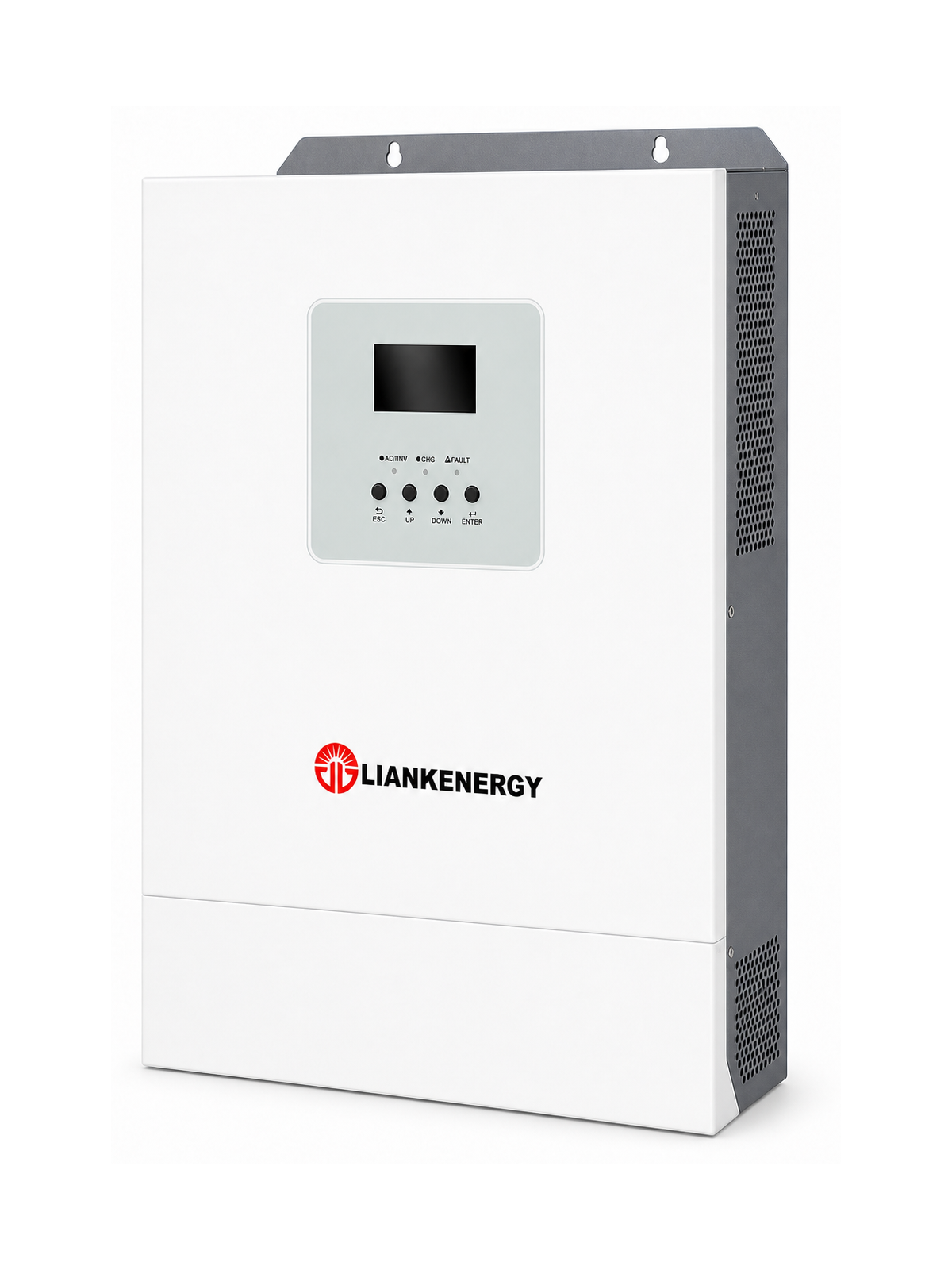
A 48V hybrid inverter coordinating PV generation, battery charging, grid interaction and backup output for residential solar storage.
A 48V hybrid inverter coordinating PV generation, battery charging, grid interaction and backup output for residential solar storage.
 View product gallery ↓
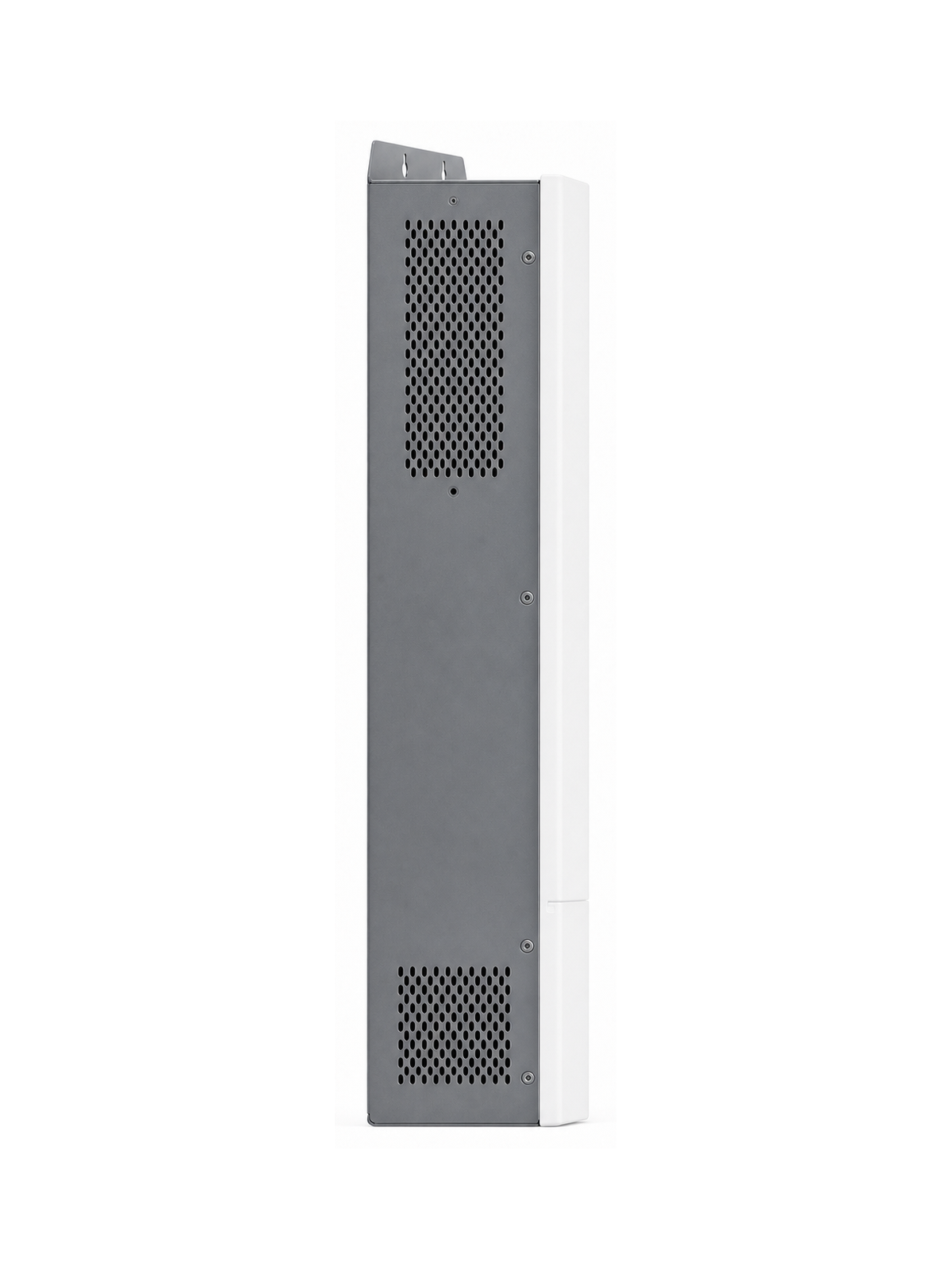
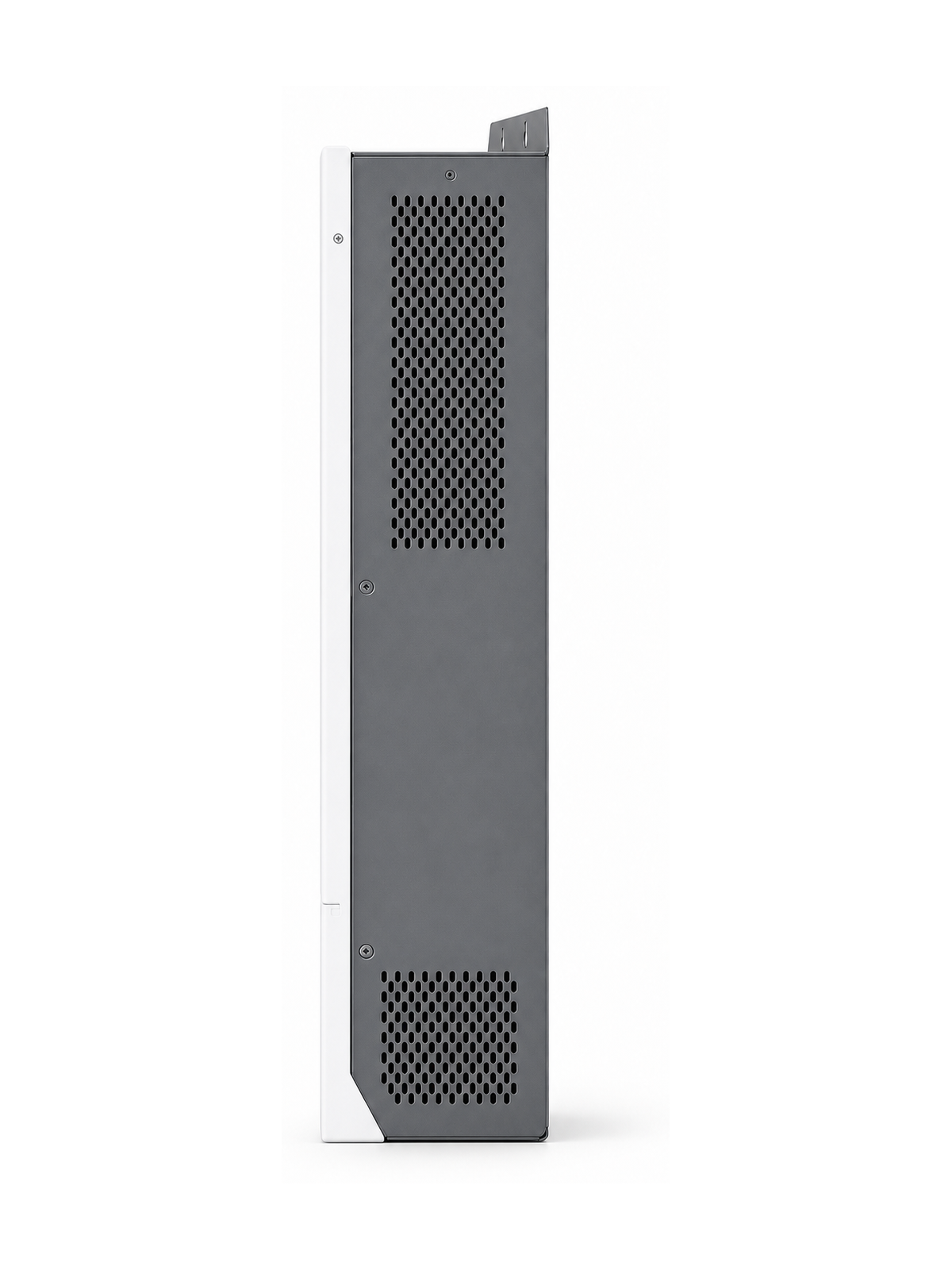
A practical explanation of the product, intended customer and role in the energy system.
PV-INV 6.2kW coordinates a residential PV array, a 48V battery, grid input and protected AC loads. The published data lists 6200W battery-inverter output, an 8500W maximum PV input and a 60-500Vdc MPPT operating range.
It is suited to ordinary homes where the protected-load group fits the inverter's continuous and surge limits. String voltage, PV current, battery discharge current and transfer requirements must be calculated from the actual modules and appliances.
Choose the 6.2kW model for moderate residential systems. Consider PV-INV 11kW when the load group and PV array require higher continuous output and dual MPPT channels.
No generic claims: each point explains a practical selection, installation or operating benefit.
Coordinates solar, battery, grid and protected loads in one system.
A 60-500Vdc MPPT range supports practical residential string design.
Adjustable transfer time supports computer and household load scenarios.
One complete, copyable table. Unverified values remain clearly gated.
| Specification | Value |
|---|---|
| Factory model | 6248SMH |
| AC input mode | L + N + PE |
| Rated AC input | 220 / 230 / 240 VAC |
| AC input range | 90–280 VAC ±3 V (Normal); 170–280 VAC ±3 V (UPS) |
| AC frequency | 50 / 60 Hz, auto-detection |
| Battery inversion power | 6,200 W |
| PV inversion power | 6,500 W |
| AC output | 220 / 230 / 240 VAC ±5% |
| Output frequency | 50 / 60 Hz ±0.1% |
| Output waveform | Pure sine wave |
| Transfer time | 10 ms (computer); 20 ms (household appliance) |
| Peak power | 12,400 VA |
| Overload capability | 11 s @ 105–150%; 2 s @ 150–200%; 400 ms @ >200% |
| Grid-feed voltage | 170–265 VAC |
| Grid-feed frequency | 49–51 Hz / 59–61 Hz |
| Nominal output current | 26.9 A |
| Power factor | >0.99 |
| Maximum efficiency | 98% |
| Rated battery voltage | 48 VDC |
| Constant charging voltage | 56.4 VDC |
| Float charging voltage | 54 VDC |
| MPPT configuration | Single MPPT |
| Maximum PV input power | 8,500 W |
| MPPT range | 60–500 VDC |
| Optimal Vmp range | 360–430 VDC |
| Maximum PV voltage | 500 VDC |
| Maximum PV input current | 27 A |
| Maximum PV charging current | 120 A |
| Maximum mains charging current | 100 A |
| Maximum total charging current | 120 A |
| Communication and expansion | RS232; optional BMS card, Wi-Fi card and dry contact |
| Parallel operation | Supported in grid mode |
| Operating temperature | −10°C to 50°C |
| Relative humidity | 20–95%, non-condensing |
| Noise | ≤50 dB |
| Altitude | ≤1,000 m without derating; maximum 4,000 m |
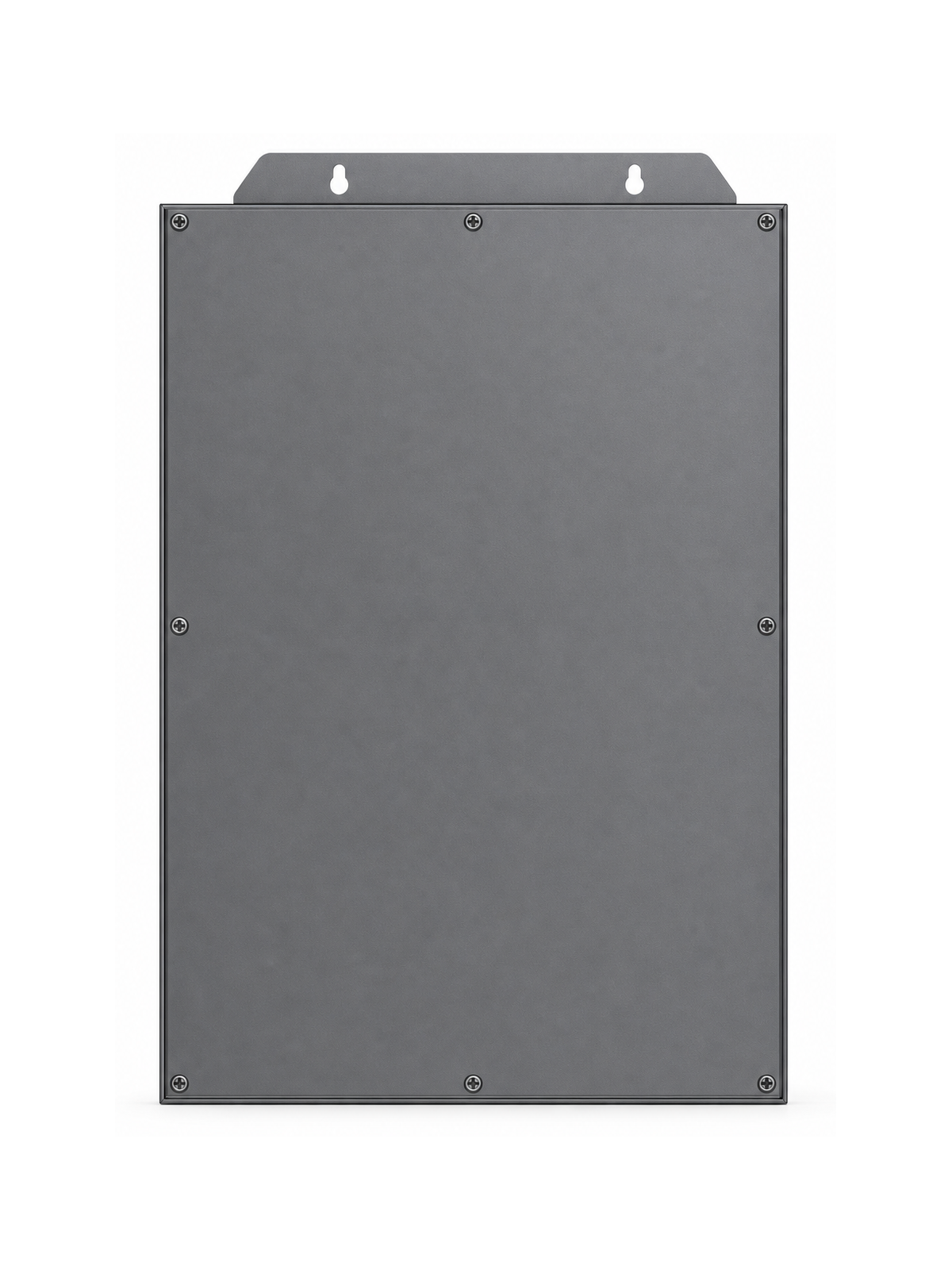
| Dimensions | 310 × 120 × 460 mm |
These conditions help buyers rule the model in or out before detailed engineering.
Coordinate rooftop PV, a 48V battery and household consumption.
Transfer planned circuits to battery power during an outage.
Use PV and battery energy where grid service is weak or intermittent.
Compatibility is determined by the complete electrical and communication design, not the product name alone.
Datasheets, manuals and certificates will appear here only after document verification.
No placeholder or unverified files are published. Contact the team to request the currently available documents for PV-INV 6.2kW / 6248SMH.
Direct answers with the conditions that affect the final recommendation.
Yes. The brochure specifies battery inversion, PV inversion, grid-tied operation and battery charging functions.
The rated battery voltage is 48Vdc. Confirm the battery operating range and communication compatibility.
The published maximum PV input power is 8500W, subject to string voltage, current and local design conditions.
Yes. Protected loads must remain within continuous and surge limits, and the battery must be sized for the required runtime.
The brochure lists an expansion interface for lithium-battery BMS communication options. Confirm the approved protocol card.
Provide PV module data, string plan, peak and surge loads, battery model, grid conditions and backup runtime.
Compare adjacent solutions by application, capacity and installation format.
Share the application, load or generation data, voltage, capacity target, installation conditions and purchase schedule. LIANHENERGY will confirm product fit before quotation.