
01
PV Battery Grid Control
Coordinates solar input, battery charging, grid interaction and load output in one hybrid system.
Hybrid Solar Inverters
Smart solar, battery and grid power conversion for residential and light commercial energy storage systems.
 1 / 6
Product overview
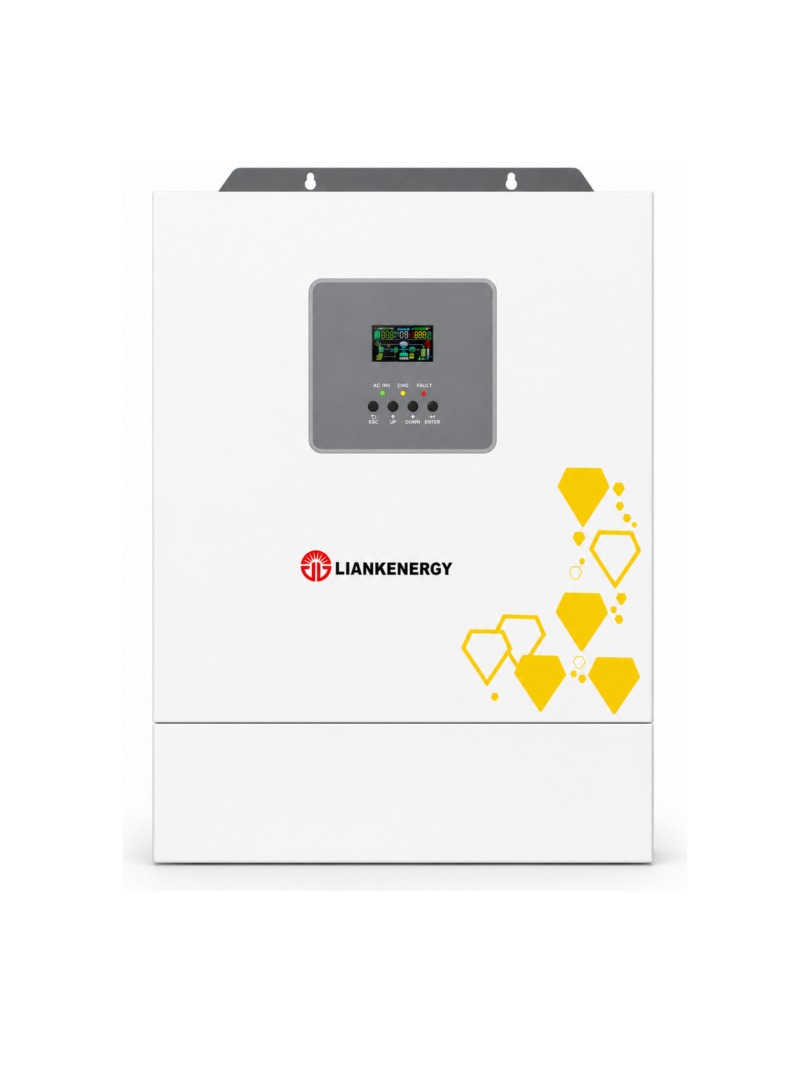
PV-INV hybrid inverters coordinate PV input, battery charging, grid interaction and load output. They are a key component for home solar storage and backup power systems.
Confirm the application, electrical platform, target capacity or power, installation environment, communication requirements and current project documents before ordering.
Product advantages
Coordinates solar input, battery charging, grid interaction and load output in one hybrid system.
Supports key-load backup scenarios when paired with compatible batteries and correct system design.
Power classes are positioned for home and light commercial solar storage applications.
Display and system status functions help users understand energy flow and operating state.
Helps manage solar self-consumption, battery discharge and grid energy based on system needs.
Can be matched with suitable LIANHENERGY battery solutions for complete PV storage projects.
Selection logic
Manage PV generation, battery charging and household energy use.
Support key loads when grid power is unavailable.
Coordinate solar, battery, grid and load energy flows.
Verified technical data
Confirm the current datasheet, model scope and project conditions before specification or quotation.
| Electrical specification | PV-INV Hybrid Inverters |
|---|---|
| Factory Model | PV-INV 6.2kW: 6248SMH / PV-INV 11kW: 6248SMH |
| Input Mode | PV-INV 6.2kW: L+N+PE / PV-INV 11kW: L+N+PE |
| Rated Input Voltage | PV-INV 6.2kW: 220/230/240VAC / PV-INV 11kW: 220/230/240VAC |
| AC Voltage Range | PV-INV 6.2kW: 90-280VAC +/-3V (Normal Mode); 170-280VAC +/-3V (UPS Mode) / PV-INV 11kW: 90-280VAC +/-3V (Normal Mode); 170-280VAC +/-3V (UPS Mode) |
| Frequency Range | PV-INV 6.2kW: 50/60Hz (Auto-adaptive) / PV-INV 11kW: 50/60Hz (Auto-adaptive) |
| Rated Power – Battery Inversion | PV-INV 6.2kW: 6200W / PV-INV 11kW: 11000W |
| Rated Power – PV Inversion | PV-INV 6.2kW: 6500W / PV-INV 11kW: 12000W |
| Output Voltage | PV-INV 6.2kW: 220/230/240VAC +5% / PV-INV 11kW: 220/230/240VAC +5% |
| Output Frequency | PV-INV 6.2kW: 50/60Hz +/-0.1% / PV-INV 11kW: 50/60Hz +/-0.1% |
| Waveform | PV-INV 6.2kW: Pure sine wave / PV-INV 11kW: Pure sine wave |
| Conversion Time | PV-INV 6.2kW: 10ms for computer equipment; 20ms for household appliances / PV-INV 11kW: 10ms for computer equipment; 20ms for household appliances |
| Peak Power | PV-INV 6.2kW: 12400VA / PV-INV 11kW: 22000VA |
| Overload Capacity | PV-INV 6.2kW: Battery mode: 11s @105%-150% load; 2s @150%-200% load; 400ms @>200% load / PV-INV 11kW: Battery mode: 11s @105%-150% load; 2s @150%-200% load; 400ms @>200% load |
| Grid-tied Output Voltage | PV-INV 6.2kW: 220/230/240VAC / PV-INV 11kW: 220/230/240VAC |
| Grid-fed Voltage Range | PV-INV 6.2kW: 170-265VAC / PV-INV 11kW: 170-265VAC |
| Grid-fed Frequency Range | PV-INV 6.2kW: 49-51+/-1Hz / 59-61+/-1Hz / PV-INV 11kW: 49-51+/-1Hz / 59-61+/-1Hz |
| Nominal Output Current | PV-INV 6.2kW: 26.9A / PV-INV 11kW: 47.8A |
| Power Factor Range | PV-INV 6.2kW: >0.99 / PV-INV 11kW: >0.99 |
| Max Conversion Efficiency (DCHC) | PV-INV 6.2kW: 98% / PV-INV 11kW: 98% |
| Battery Rated Voltage | PV-INV 6.2kW: 48Vdc / PV-INV 11kW: 48Vdc |
| Constant Voltage Charging | PV-INV 6.2kW: 56.4Vdc / PV-INV 11kW: 56.4Vdc |
| Float Charging Voltage | PV-INV 6.2kW: 54Vdc / PV-INV 11kW: 54Vdc |
| PV Charging Mode | PV-INV 6.2kW: MPPT / PV-INV 11kW: Dual-channel MPPT |
| Maximum PV Input Power | PV-INV 6.2kW: 8500W / PV-INV 11kW: 2 x 7500W |
| MPPT Input Voltage Range | PV-INV 6.2kW: 60-500Vdc / PV-INV 11kW: 90-500Vdc |
| Optimal Vmp Operating Range | PV-INV 6.2kW: 360-430Vdc / PV-INV 11kW: 360-430Vdc |
| Maximum PV Input Voltage | PV-INV 6.2kW: 500Vdc / PV-INV 11kW: 500Vdc |
| Maximum PV Input Current | PV-INV 6.2kW: 27A / PV-INV 11kW: 27A / 27A |
| Maximum PV Charging Current | PV-INV 6.2kW: 120A / PV-INV 11kW: 150A |
| Maximum Mains Charging Current | PV-INV 6.2kW: 100A / PV-INV 11kW: 150A |
| Maximum Charging Current | PV-INV 6.2kW: 120A / PV-INV 11kW: 150A |
| Display | PV-INV 6.2kW: LCD interface; operating mode, load, input and output status / PV-INV 11kW: LCD interface; operating mode, load, input and output status |
| RS232 Interface | PV-INV 6.2kW: Baud rate: 2400 / PV-INV 11kW: Baud rate: 2400 |
| Expansion Interface | PV-INV 6.2kW: Lithium battery BMS communication card, WiFi card, dry contact card, etc. / PV-INV 11kW: Lithium battery BMS communication card, WiFi card, dry contact card, etc. |
| Parallel Operation Interface | PV-INV 6.2kW: Parallel operation (grid) function / PV-INV 11kW: Parallel operation (grid) function |
| Mechanical and environmental | PV-INV Hybrid Inverters |
|---|---|
| Operating Ambient Temperature | PV-INV 6.2kW: -10 to 50 deg C / PV-INV 11kW: -10 to 50 deg C |
| Operating Ambient Humidity | PV-INV 6.2kW: 20%-95% (No condensation) / PV-INV 11kW: 20%-95% (No condensation) |
| Altitude | PV-INV 6.2kW: Altitude shall not exceed 1000m; derating applies above 1000m; maximum altitude 4000m; refer to IEC 62040 / PV-INV 11kW: Altitude shall not exceed 1000m; derating applies above 1000m; maximum altitude 4000m; refer to IEC 62040 |
| Dimensions | PV-INV 6.2kW: 310 x 120 x 460mm / PV-INV 11kW: 550 x 470 x 145mm |
Frequently asked questions
It manages solar input, battery charging, grid interaction and load output within an energy storage system.
Yes. Hybrid inverters are designed to work with battery storage for backup and self-consumption applications.
It is suitable for residential and light commercial PV battery storage systems.
A hybrid inverter coordinates PV, battery, grid and loads, while an off-grid inverter focuses on independent power systems without reliable grid use.
Yes. With a suitable battery and system configuration, it can support key loads when grid power is unavailable.
Model selection depends on PV array size, battery voltage, load power, grid connection requirements and backup expectations.
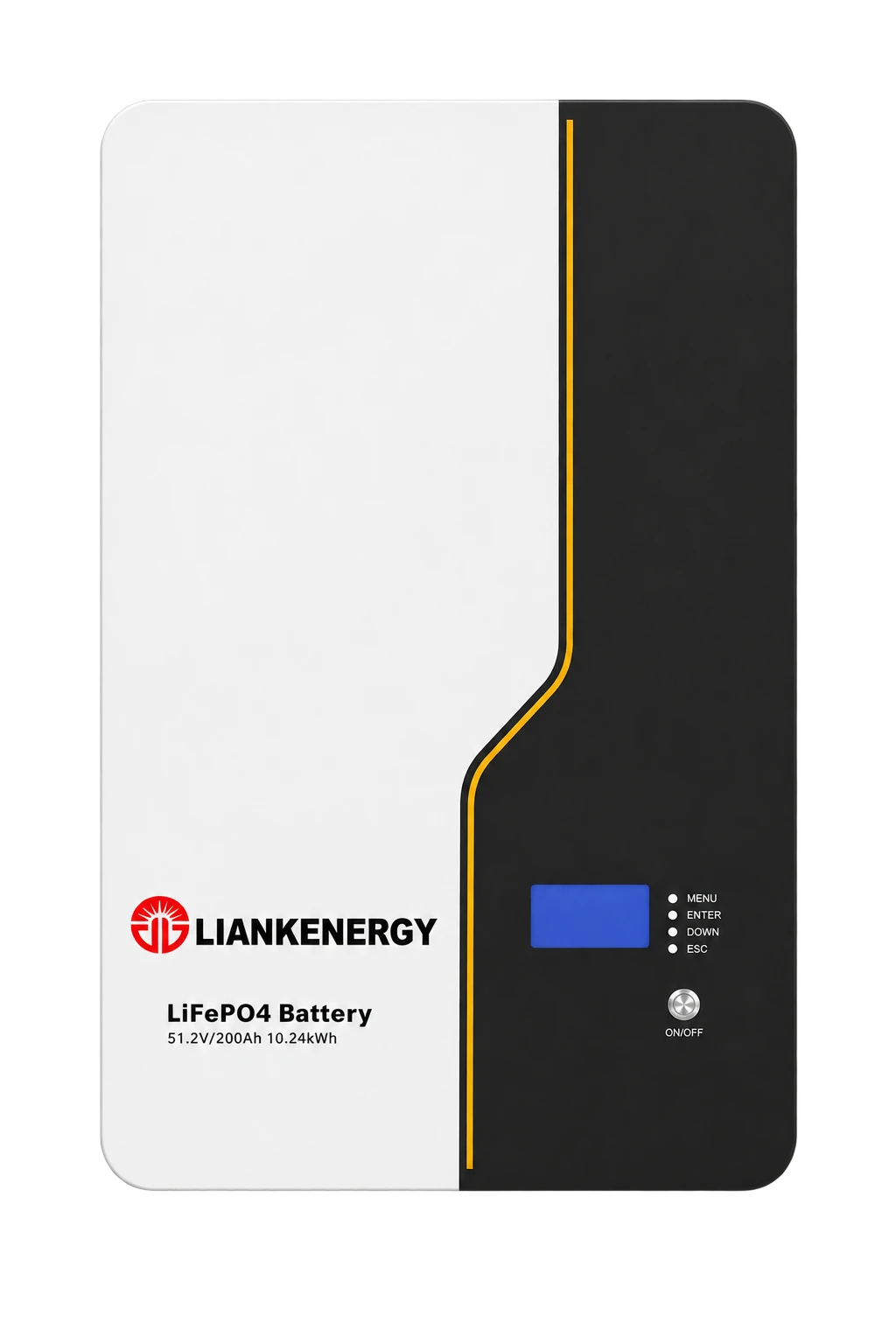 Residential Energy Storage
Compact residential storage for solar self-use and essential-load backup.
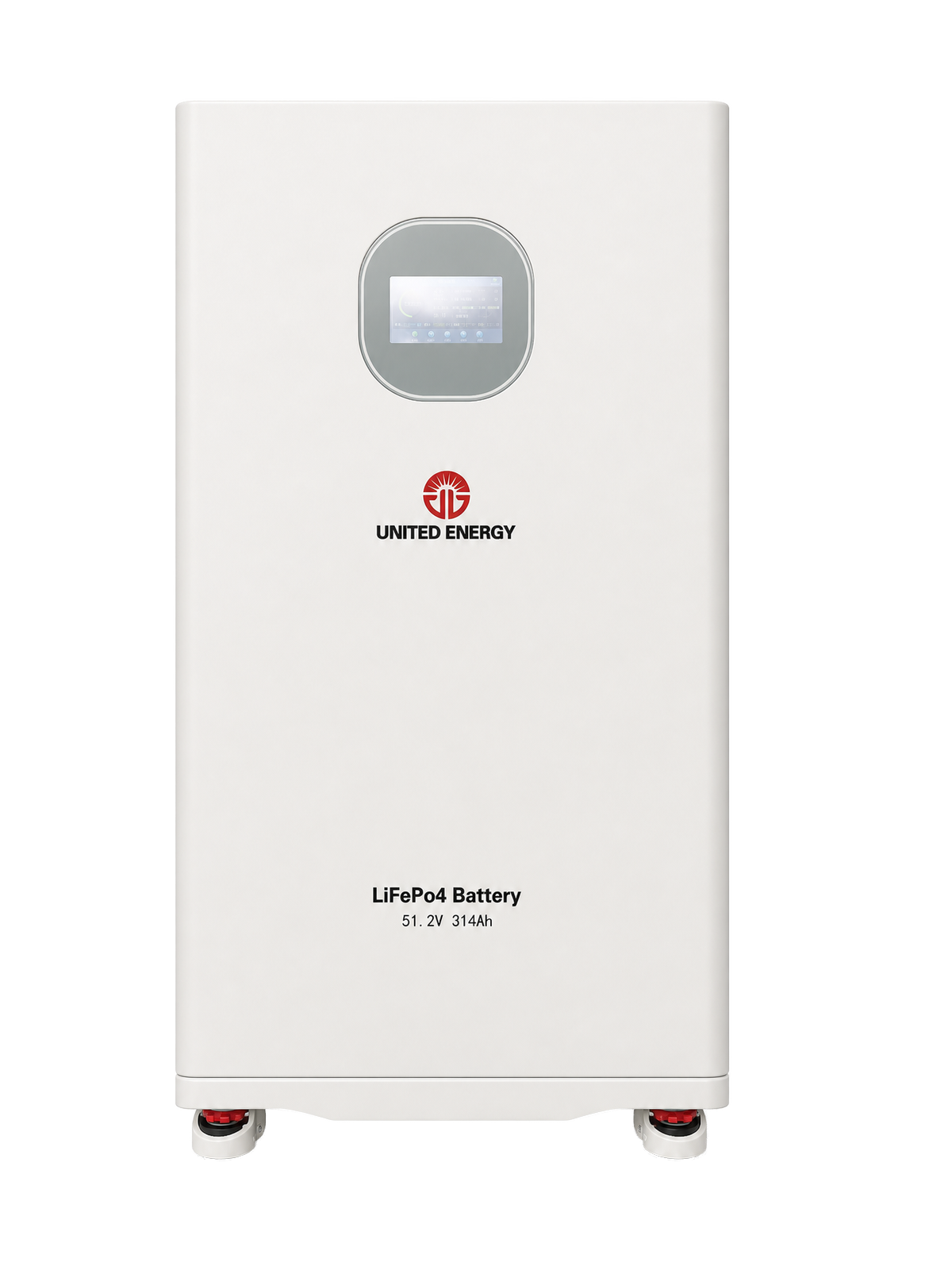 Residential Energy Storage
Higher-capacity residential storage for longer backup and daily cycling.
Residential Energy StorageAlternative residential format for projects requiring added system flexibility.
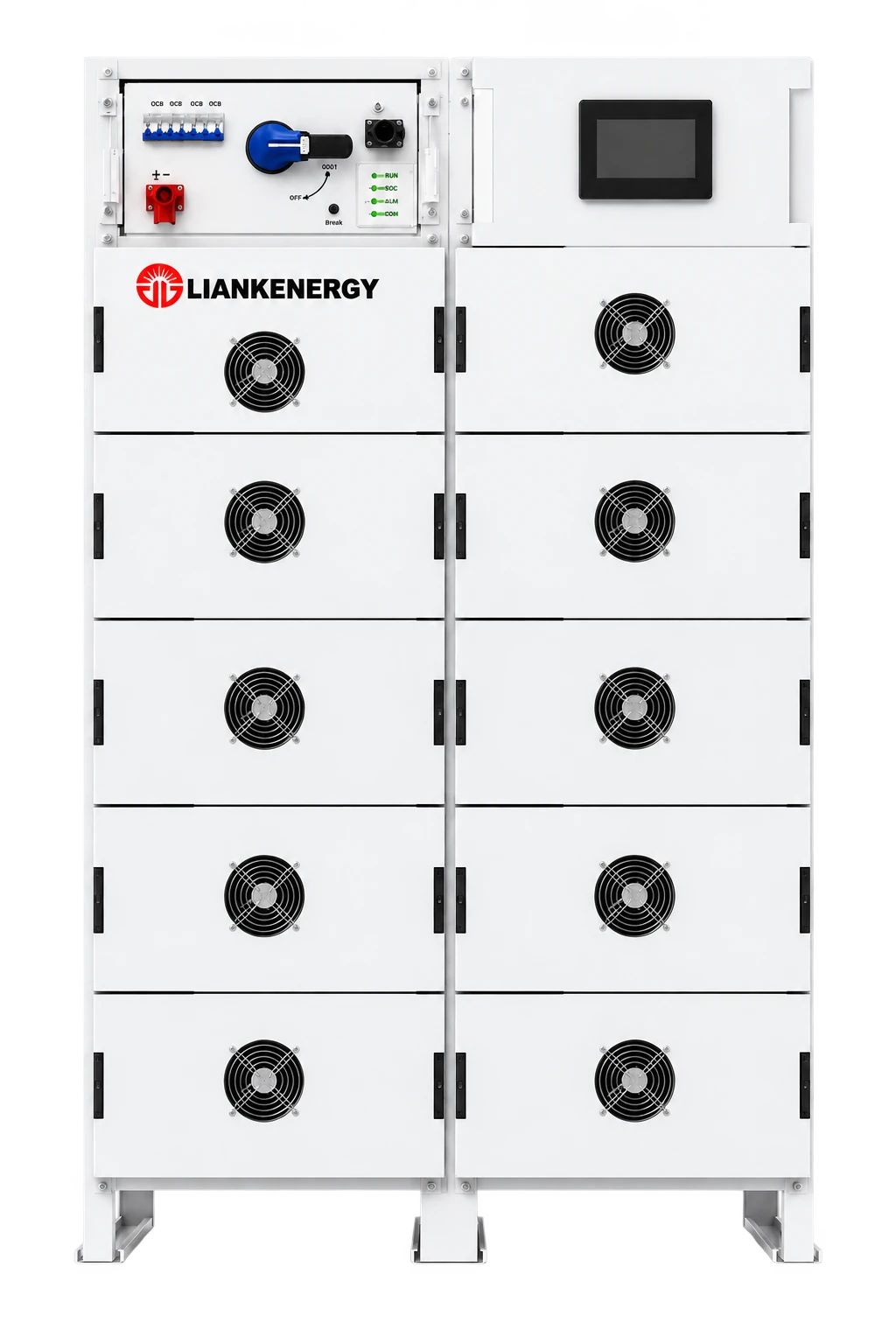 Commercial & Industrial ESS
Integrated commercial energy storage for facility and project applications.
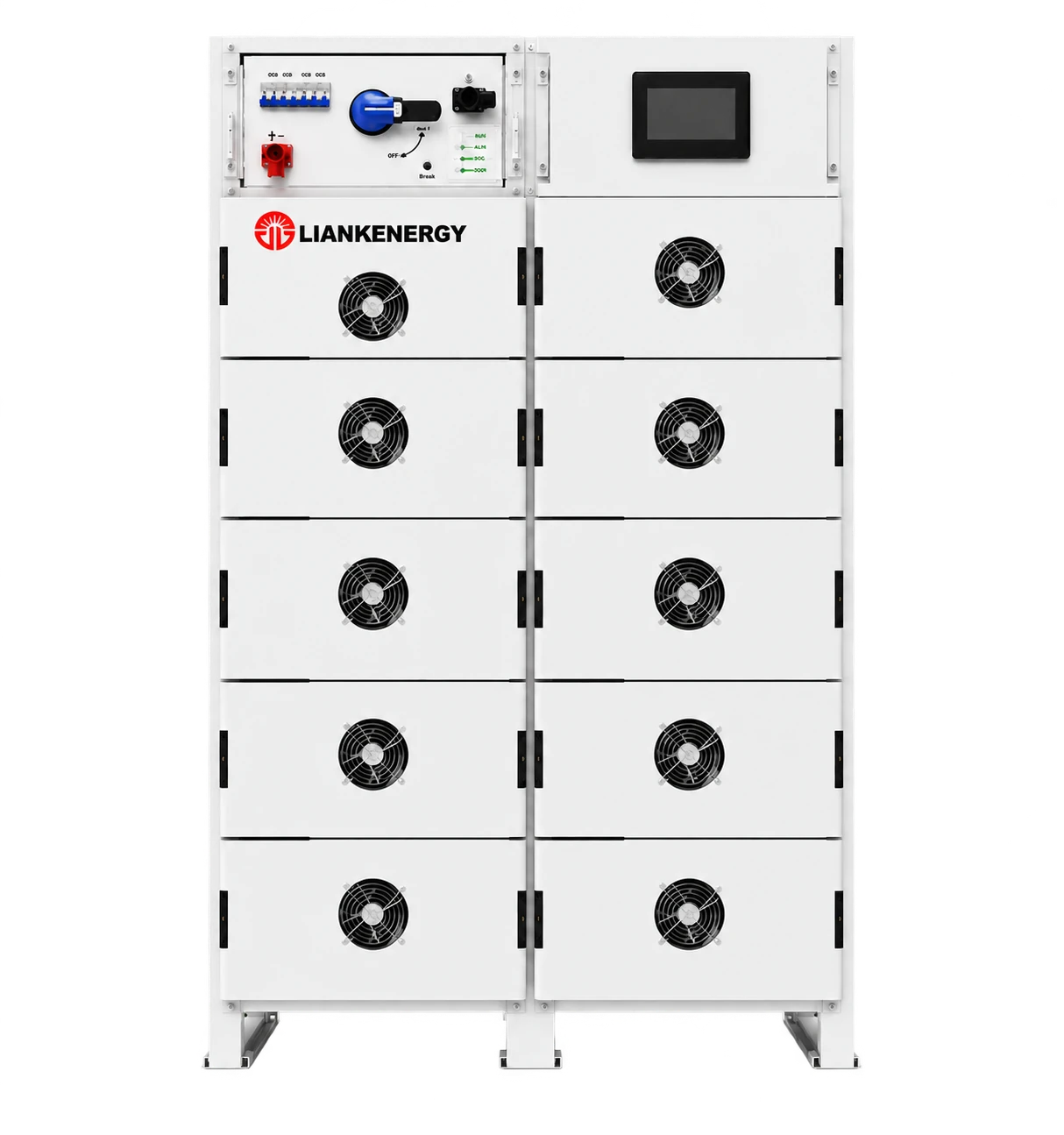 Commercial & Industrial ESS
Commercial storage platform for flexible indoor project deployment.
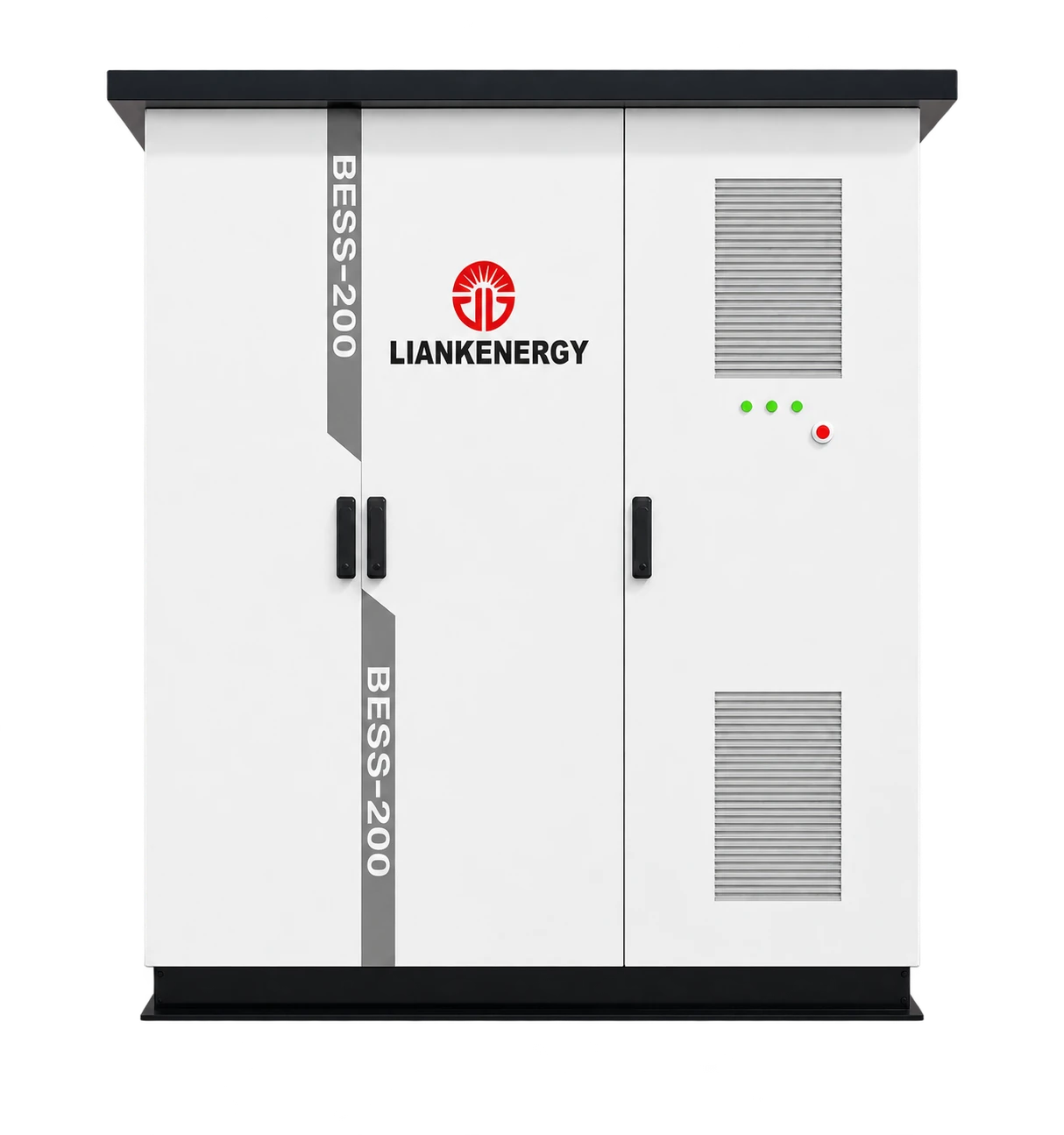 Commercial & Industrial ESS
Outdoor cabinet storage for commercial facilities and distributed projects.
 Commercial & Industrial ESS
Project-scale storage platform for higher-capacity commercial applications.
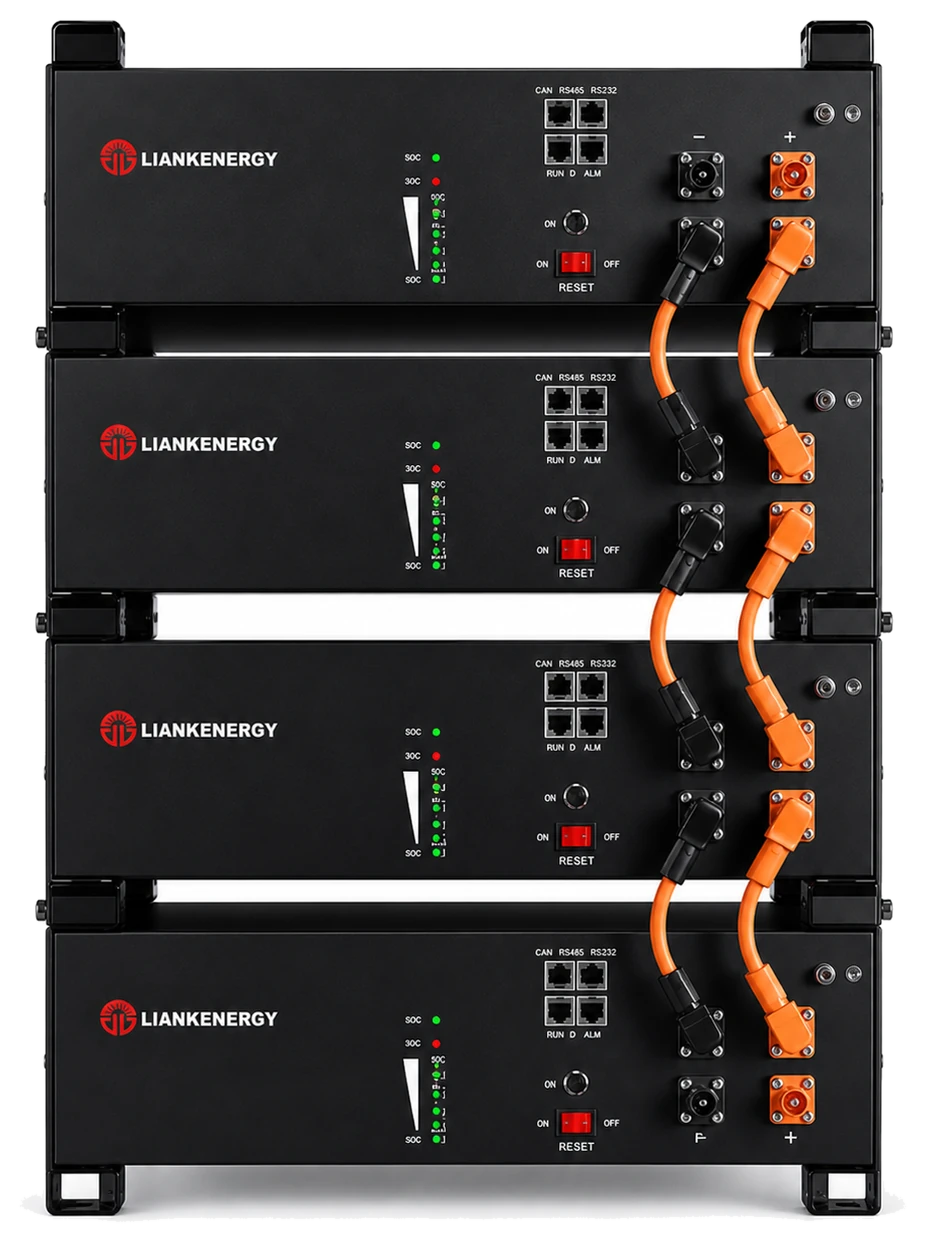 Lithium Batteries
Stackable LiFePO4 battery module for scalable energy storage systems.
Lithium BatteriesExpanded modular battery capacity for residential and commercial demand.
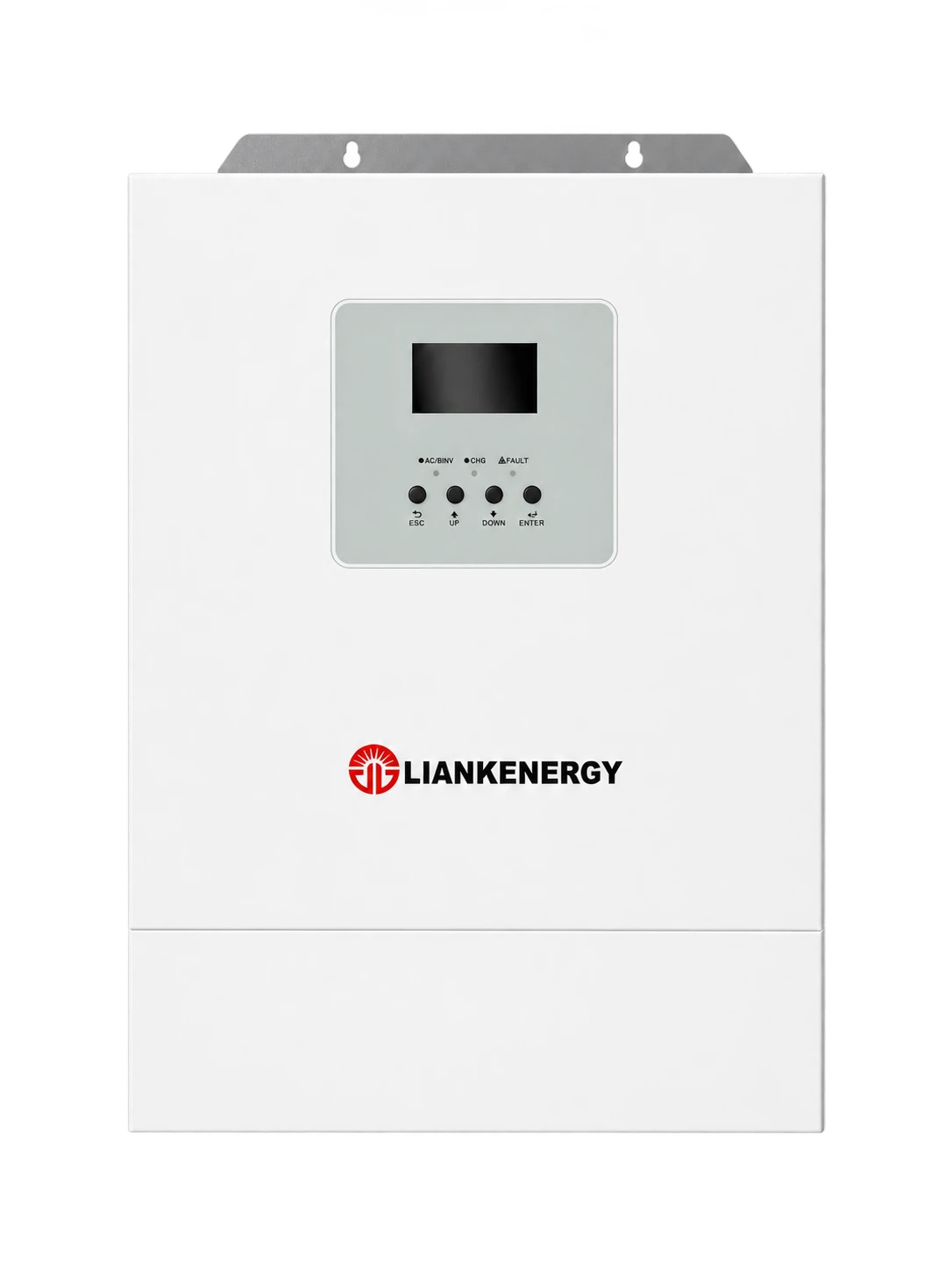 Off-Grid Inverters
Off-grid solar inverter for independent and backup power systems.
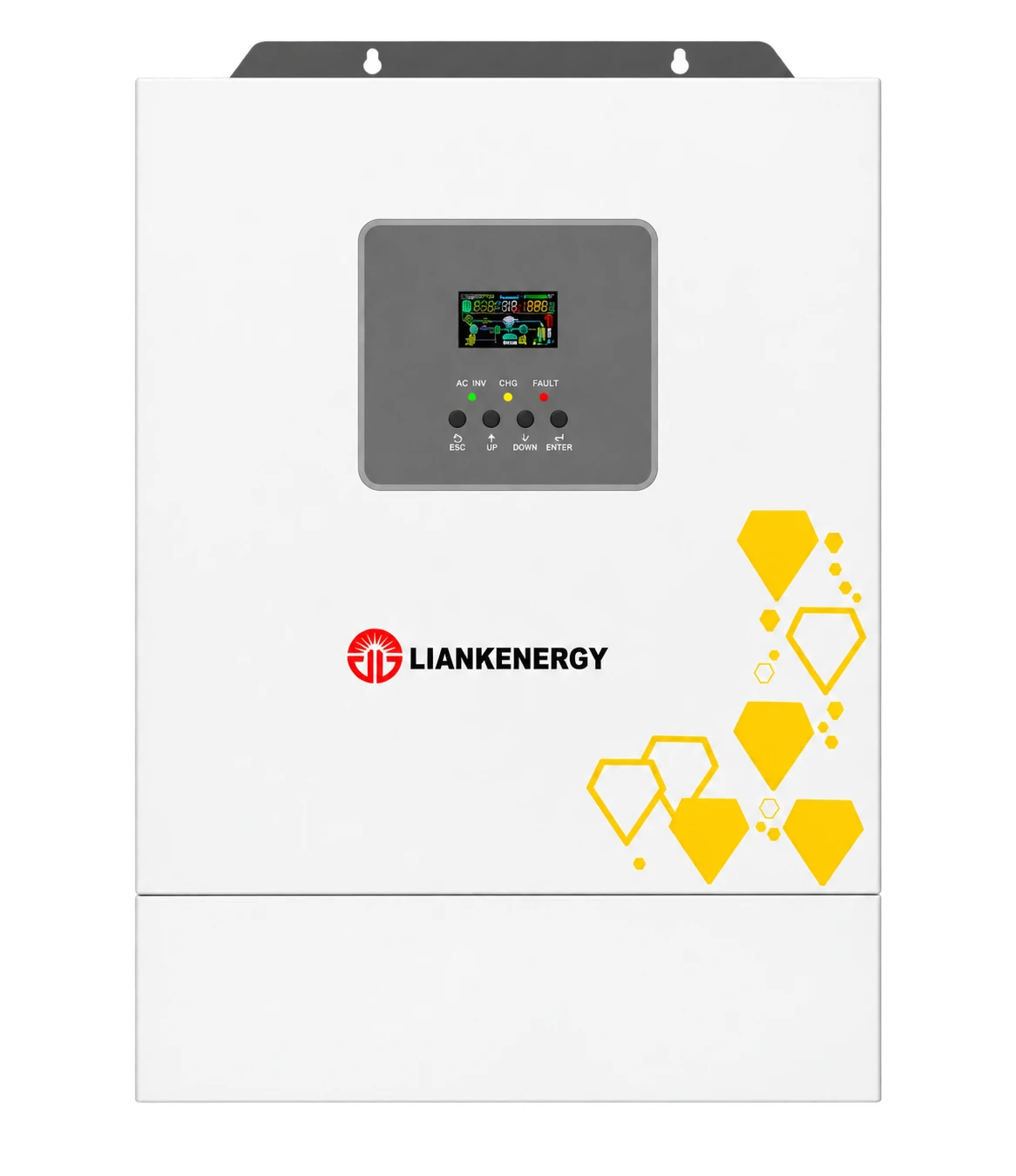 Off-Grid Inverters
Higher-power off-grid inverter for demanding residential and light-commercial loads.
Project review
Share the application, electrical platform, load, capacity, runtime and installation location.