
Move From Application to the Right Product
A clear product structure for residential storage, commercial ESS, lithium batteries and inverter systems.
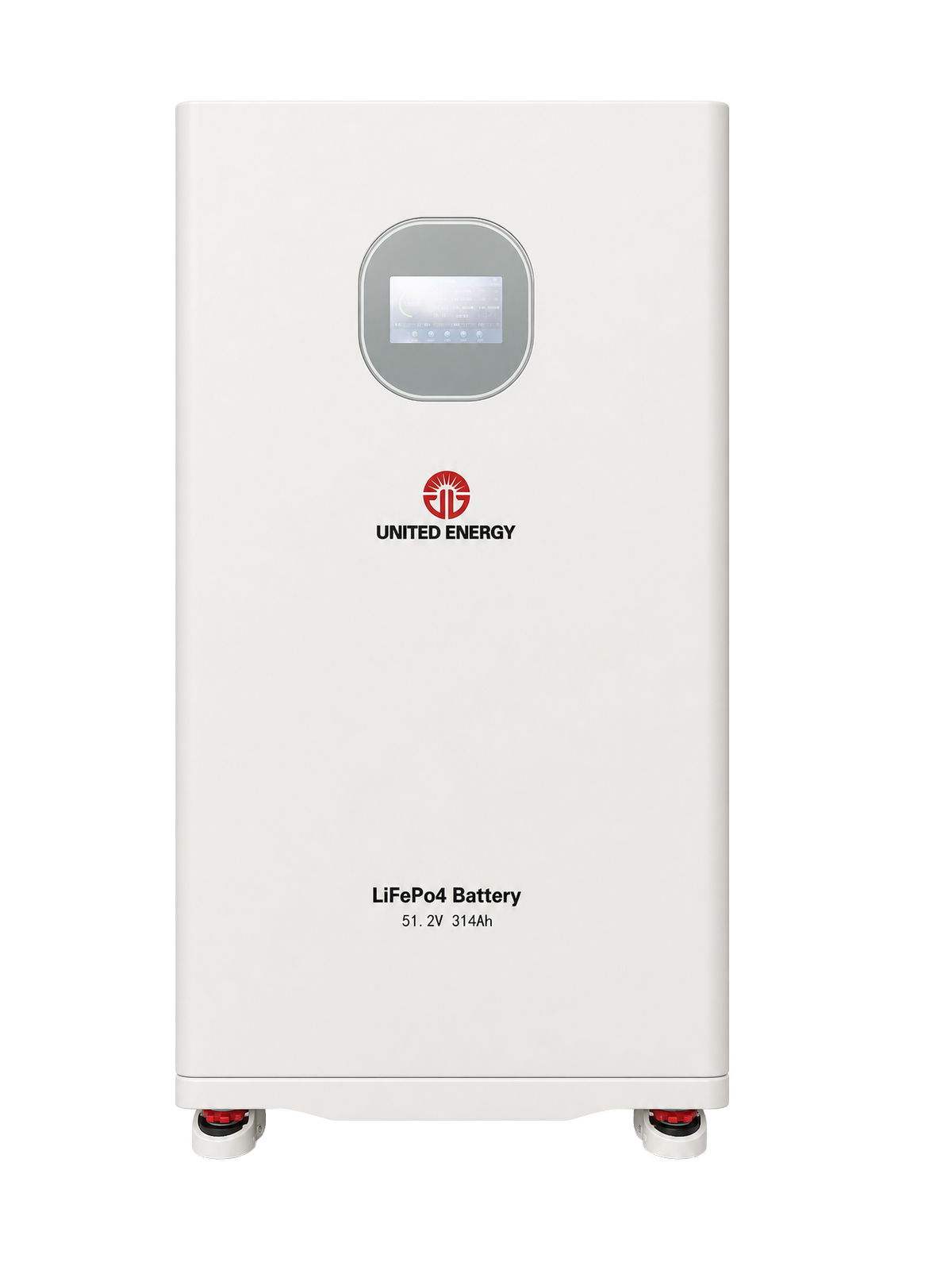
E-STONE 16.0kWh Home Battery
Clean, reliable storage for solar self-use and home backup.
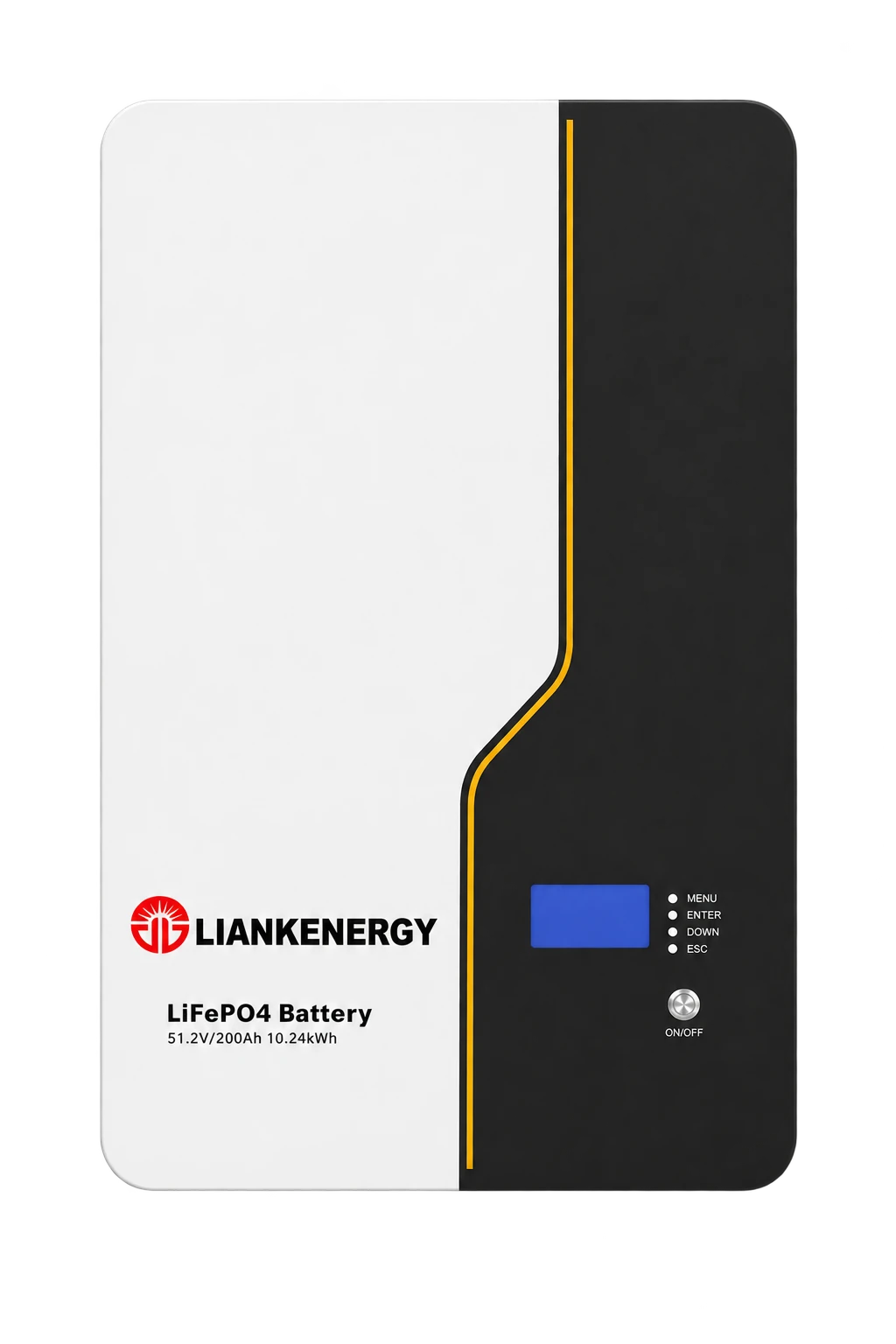
E-STONE 5.1kWh Home Battery
Clean, reliable storage for solar self-use and home backup.
E-STONE Pro 16.0kWh
Clean, reliable storage for solar self-use and home backup.
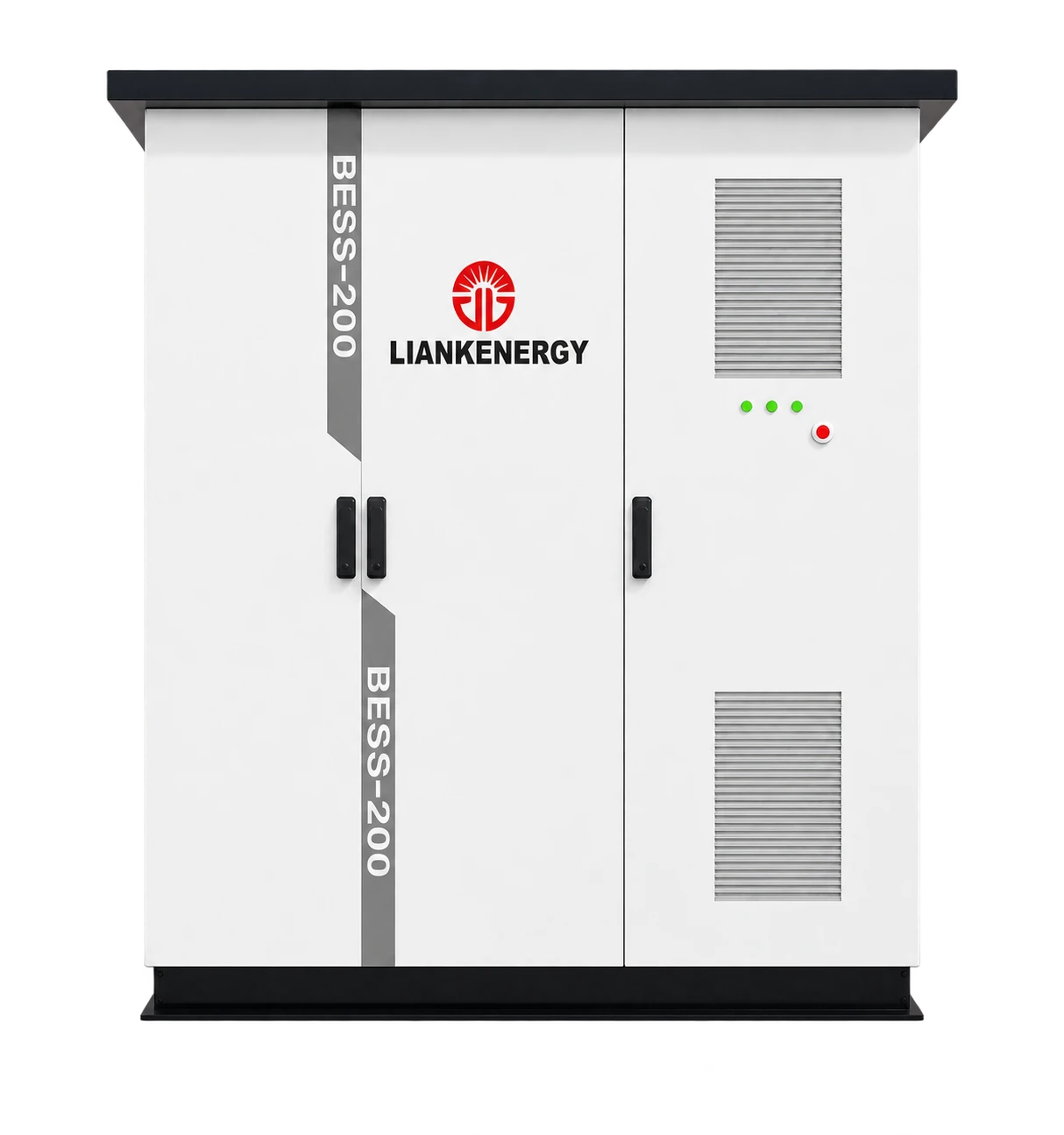
BESS 200kWh Integrated ESS
Scalable platforms for commercial and project applications.
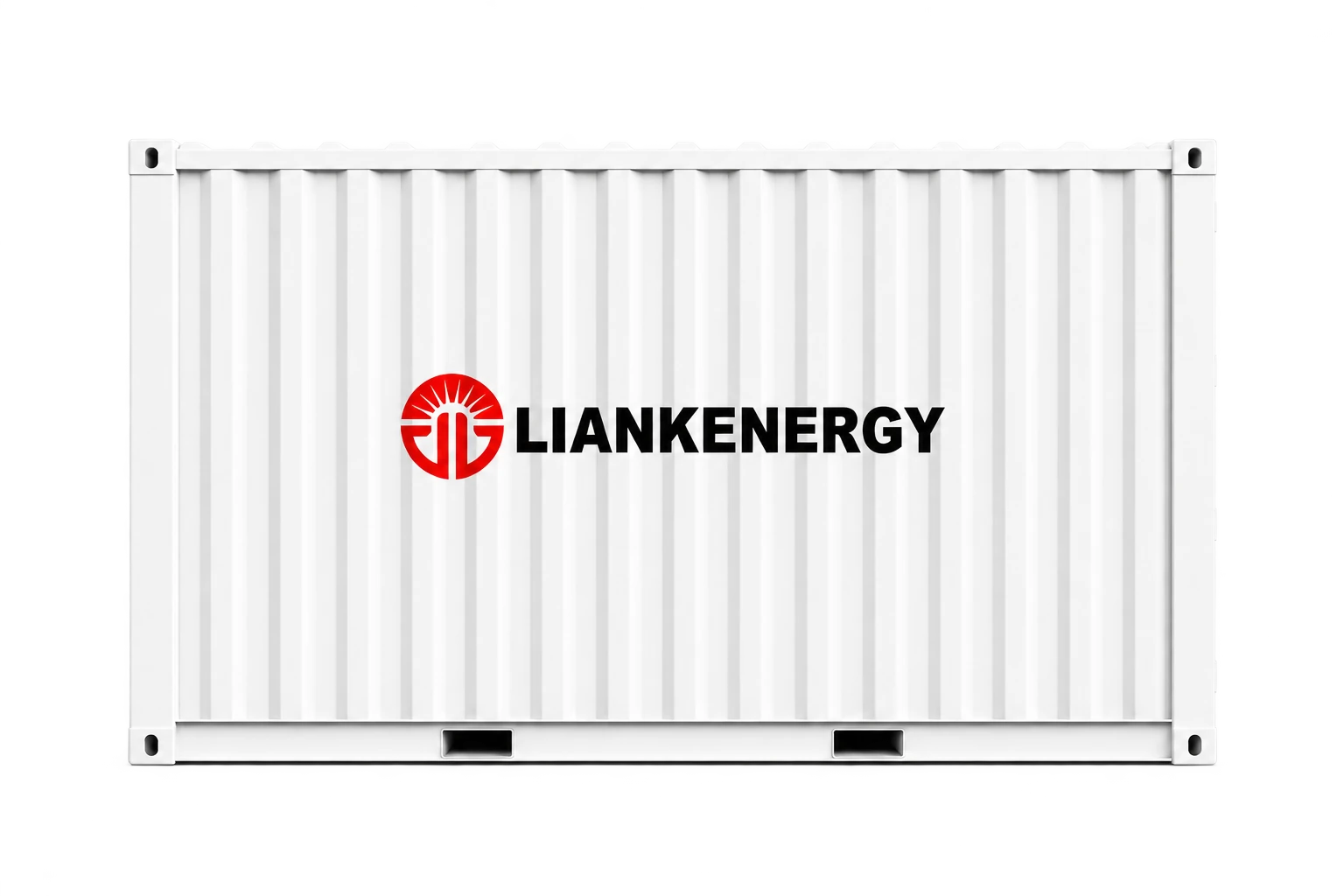
BESS-PLUS 500GP Containerized BESS
Scalable platforms for commercial and project applications.
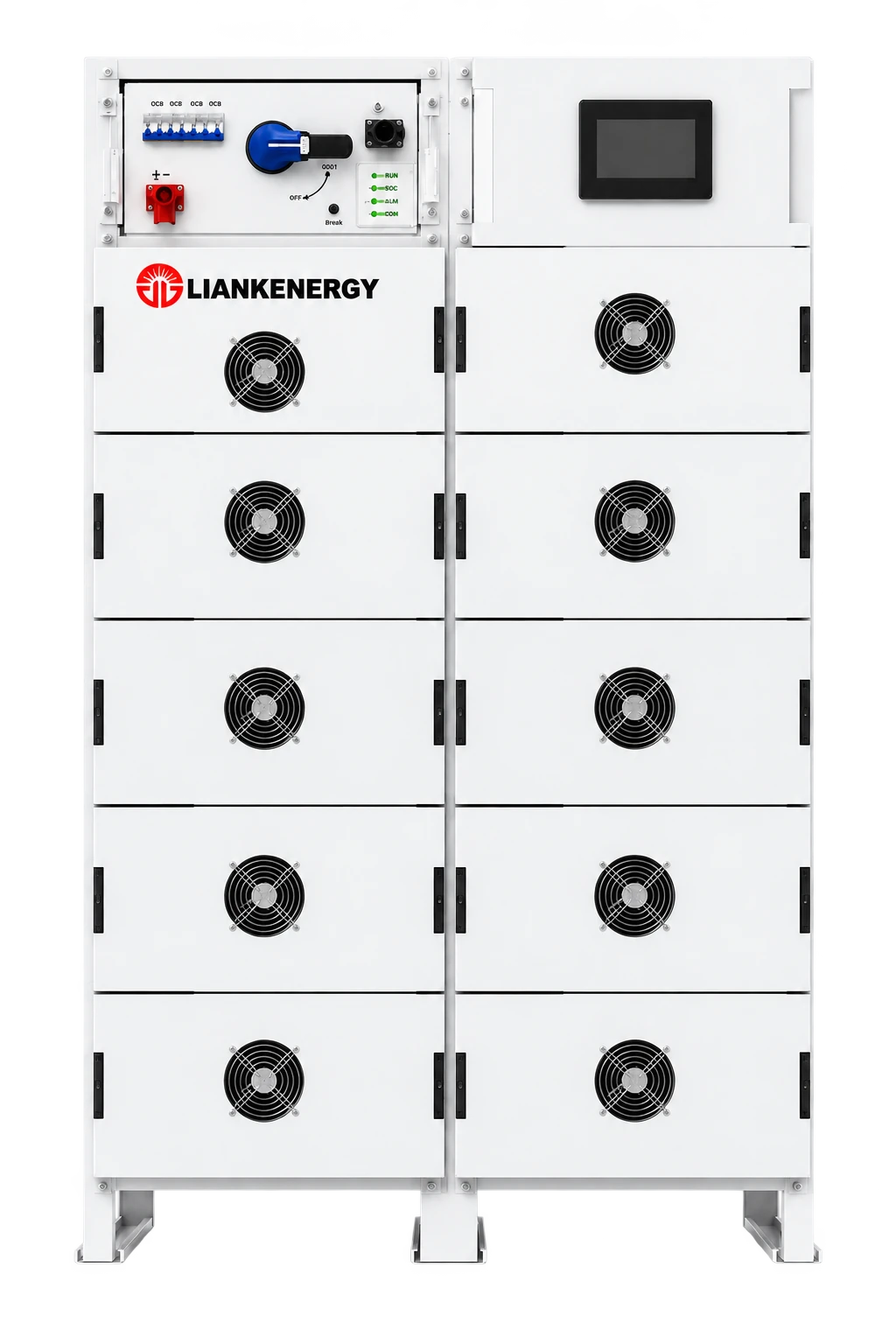
E-MATE 114R Commercial Battery Rack
Scalable platforms for commercial and project applications.
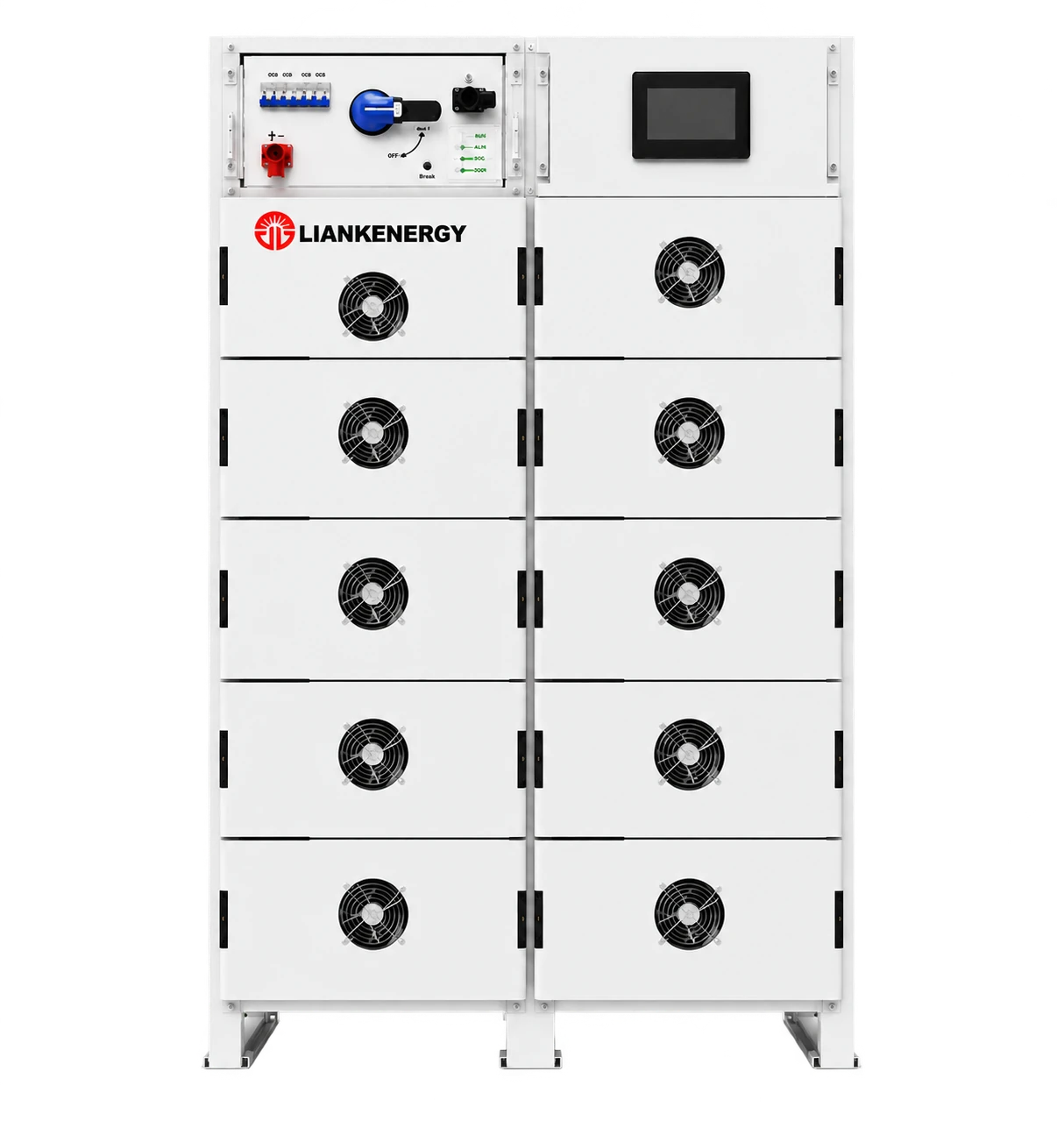
E-WALL 200R Commercial ESS
Scalable platforms for commercial and project applications.
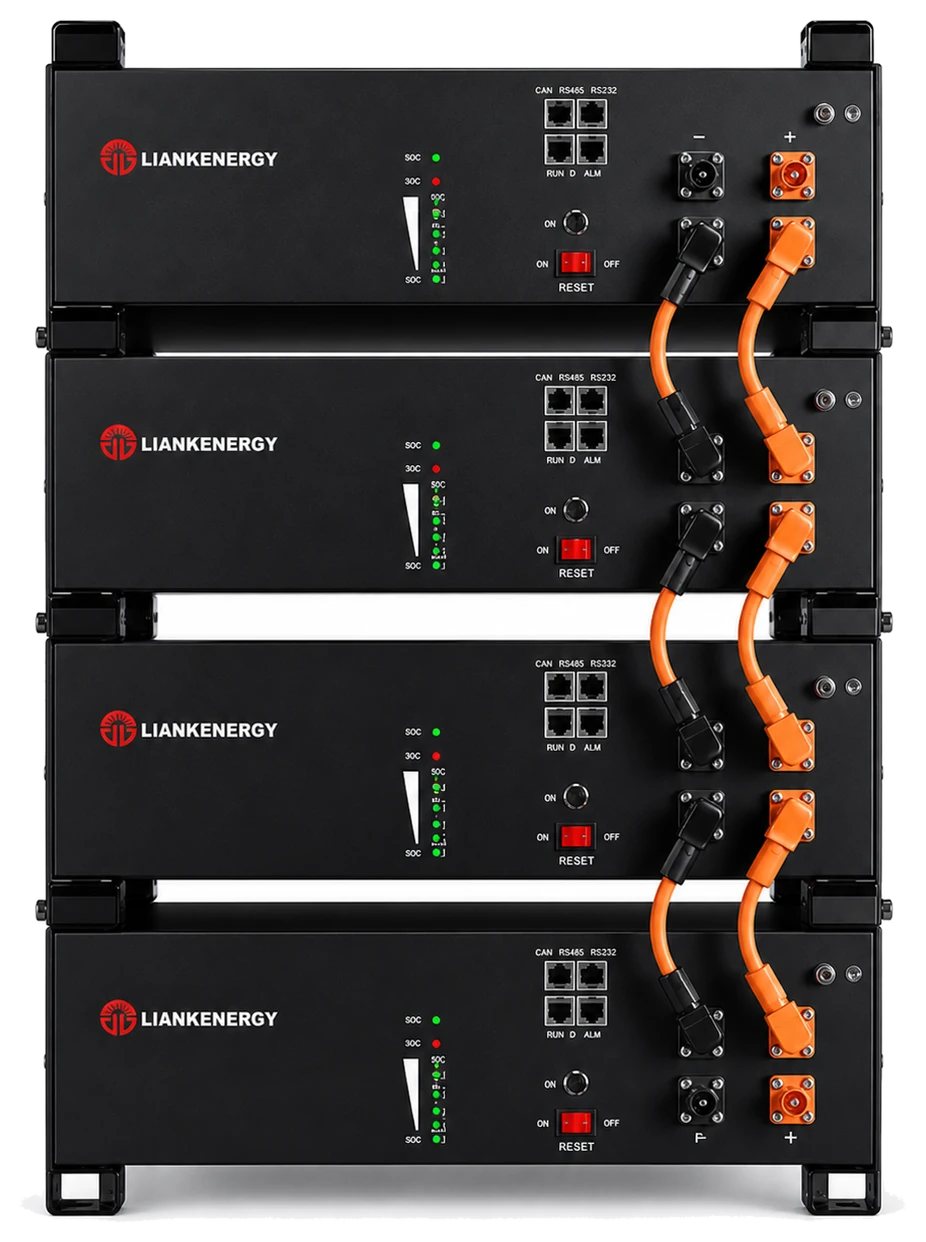
POWER PILE 16.0kWh System
Modular LiFePO4 battery options for scalable systems.
POWER PILE 5.12kWh Rack Battery
Modular LiFePO4 battery options for scalable systems.
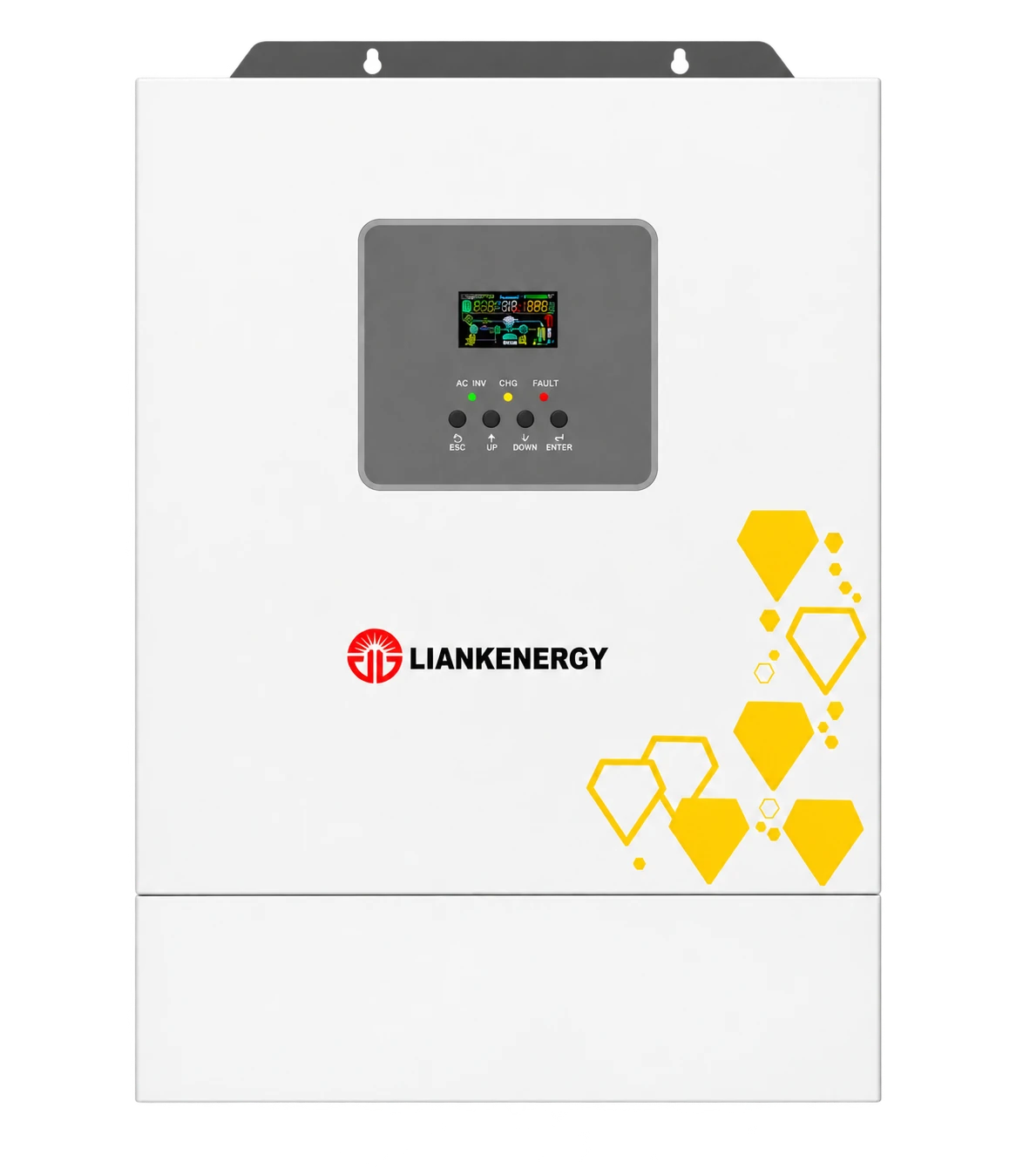
PV-INV 11kW Hybrid Solar Inverter
Independent and backup solar power conversion.
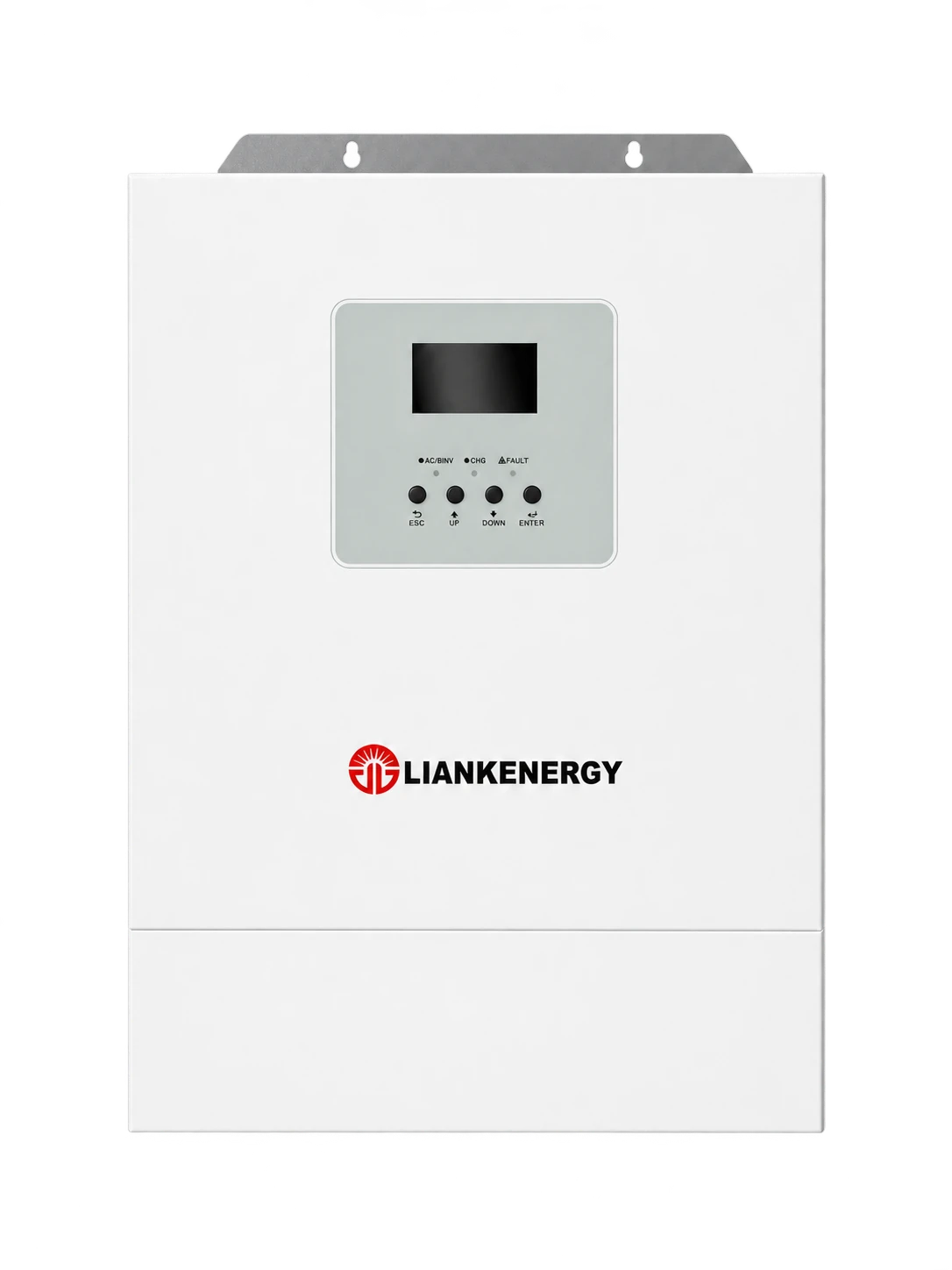
PV-INV 6.2kW Hybrid Solar Inverter
Independent and backup solar power conversion.
Start With the Energy Challenge
Different sites need different system architecture. Choose the application closest to your project, then review the products designed for that environment.
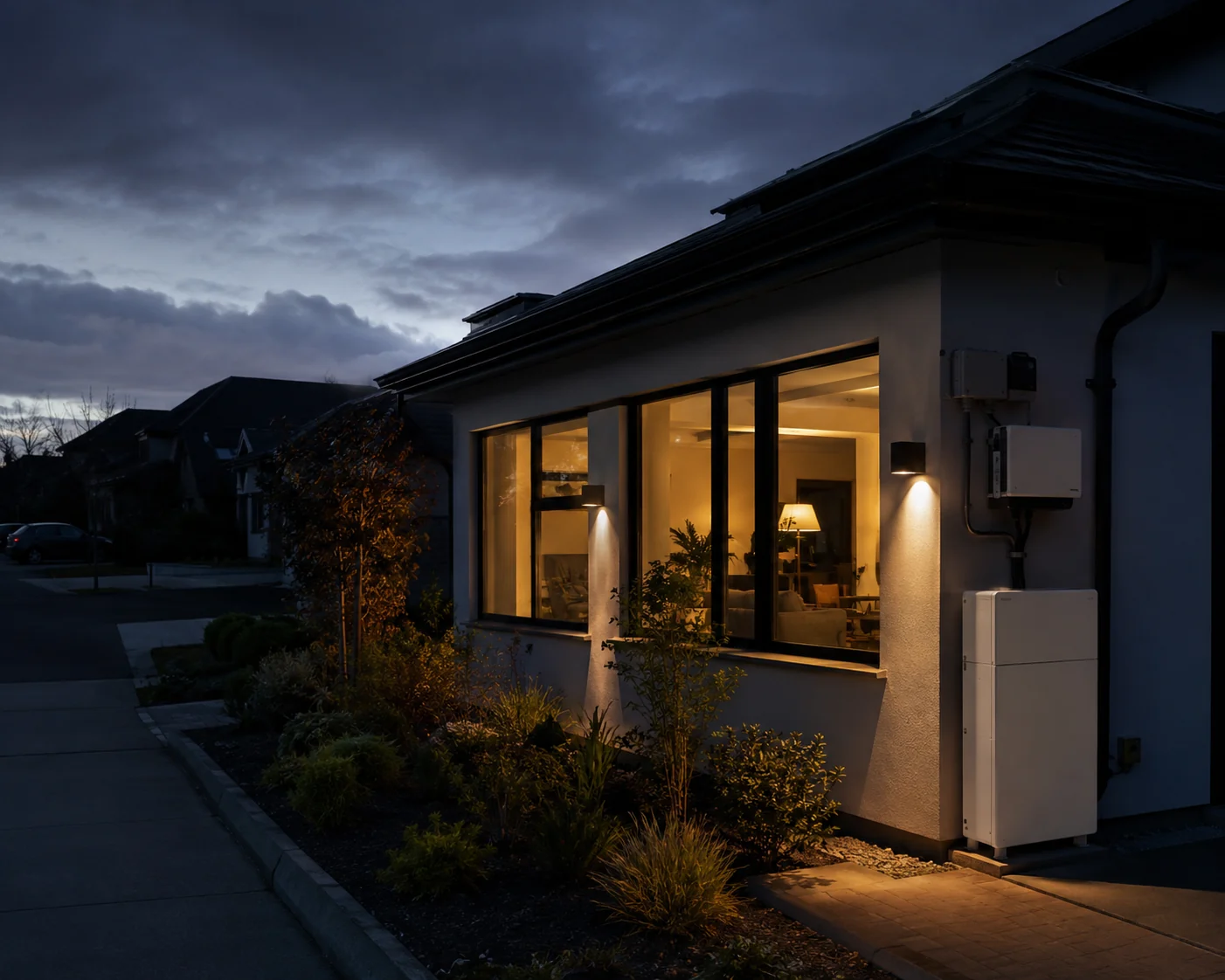
Store Solar Power and Protect Essential Loads
Home batteries and compatible inverters for self-consumption and backup planning.
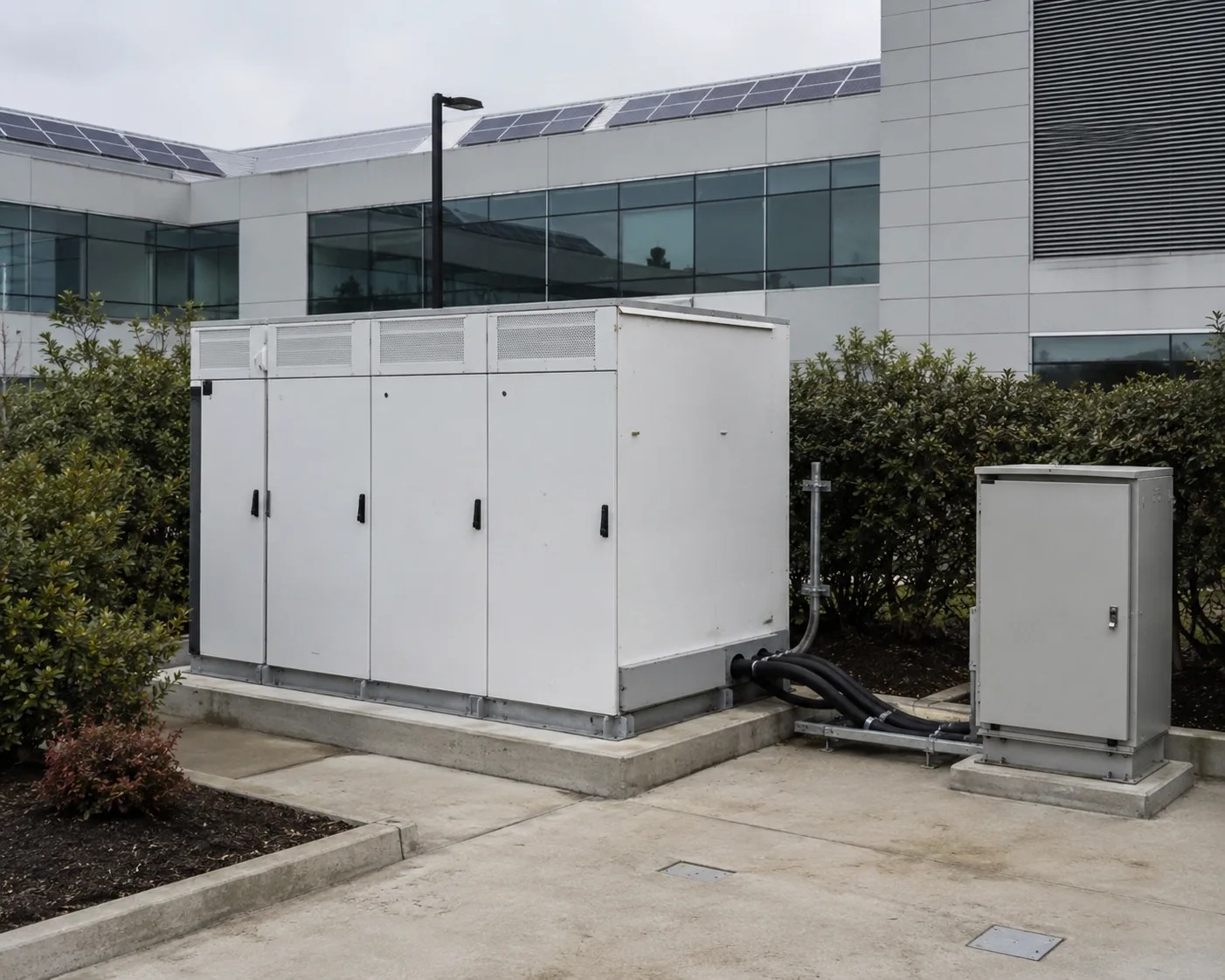
Manage Facility Energy
Cabinet ESS for peak management, renewable integration and backup.
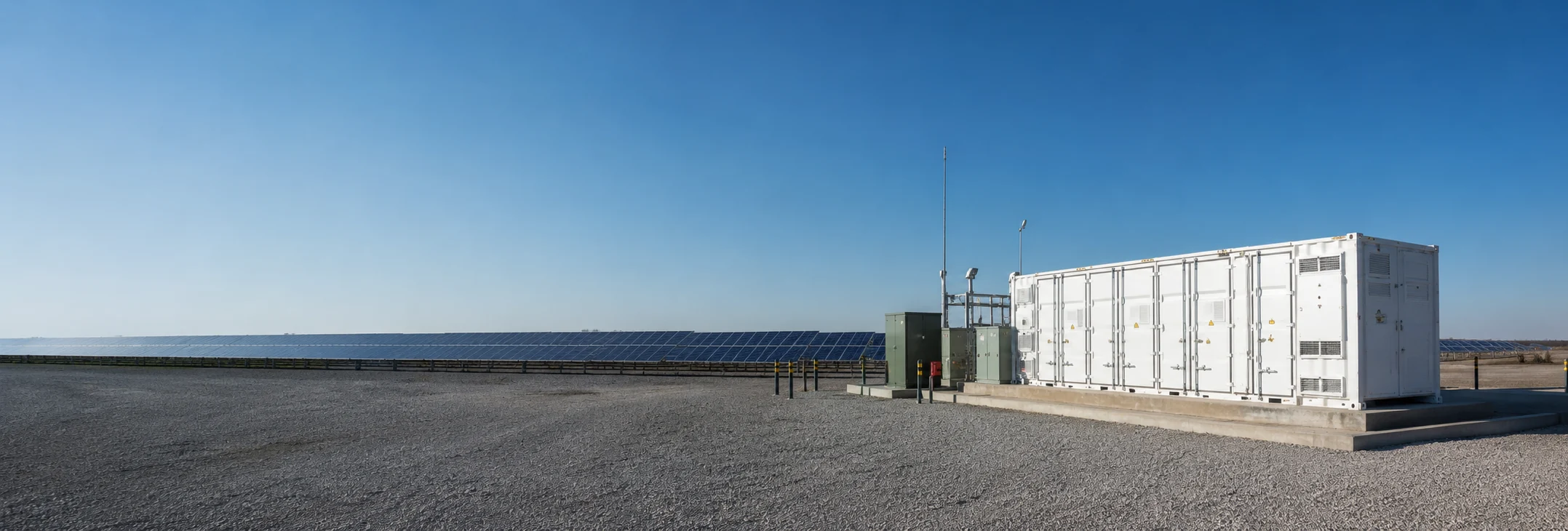
Deploy Integrated BESS
Containerized systems for solar farms, microgrids and energy infrastructure.
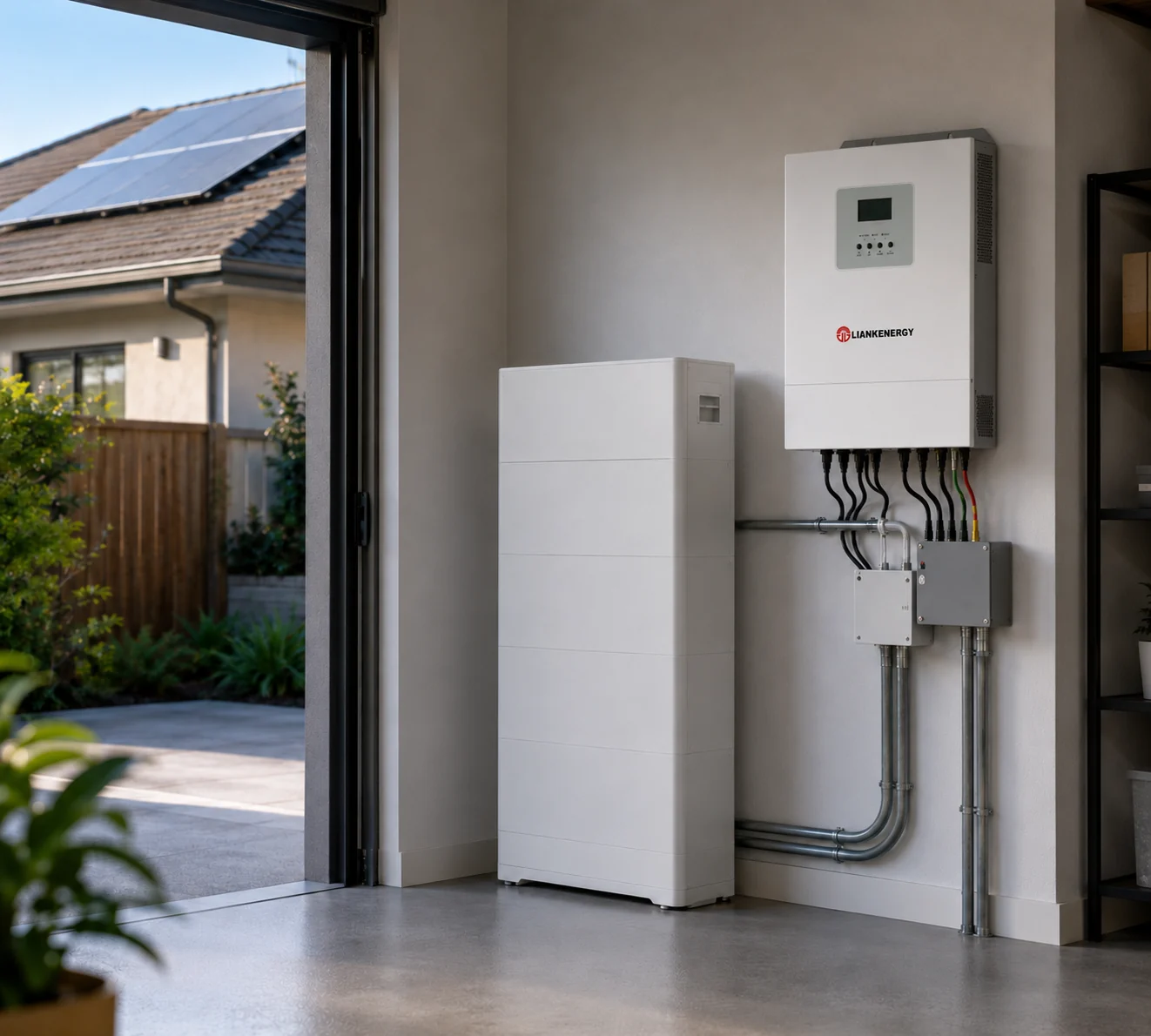
System-Level Thinking Before Product Selection
A dependable energy storage project depends on how the battery, power conversion, communication, protection and installation plan work together.
Battery Architecture
Cell chemistry, module voltage, usable capacity and expansion strategy matched to the duty cycle.
Power Conversion
Inverter or PCS power, grid mode and load characteristics considered with the battery.
Communication & Protection
BMS, CAN or RS485 interfaces and protection requirements reviewed for compatibility.
Deployment Conditions
Installation, thermal management, enclosure and service access affect configuration.
Manufacturing and Project Support You Can Review
Practical support before and after selection
Clear technical communication reduces uncertainty around compatibility, installation and future expansion.
See How LIANKENERGY Approaches Energy Storage
Review product scope, project scenarios, technical matching and quality processes in a clear company capability presentation.
Explore Company Capability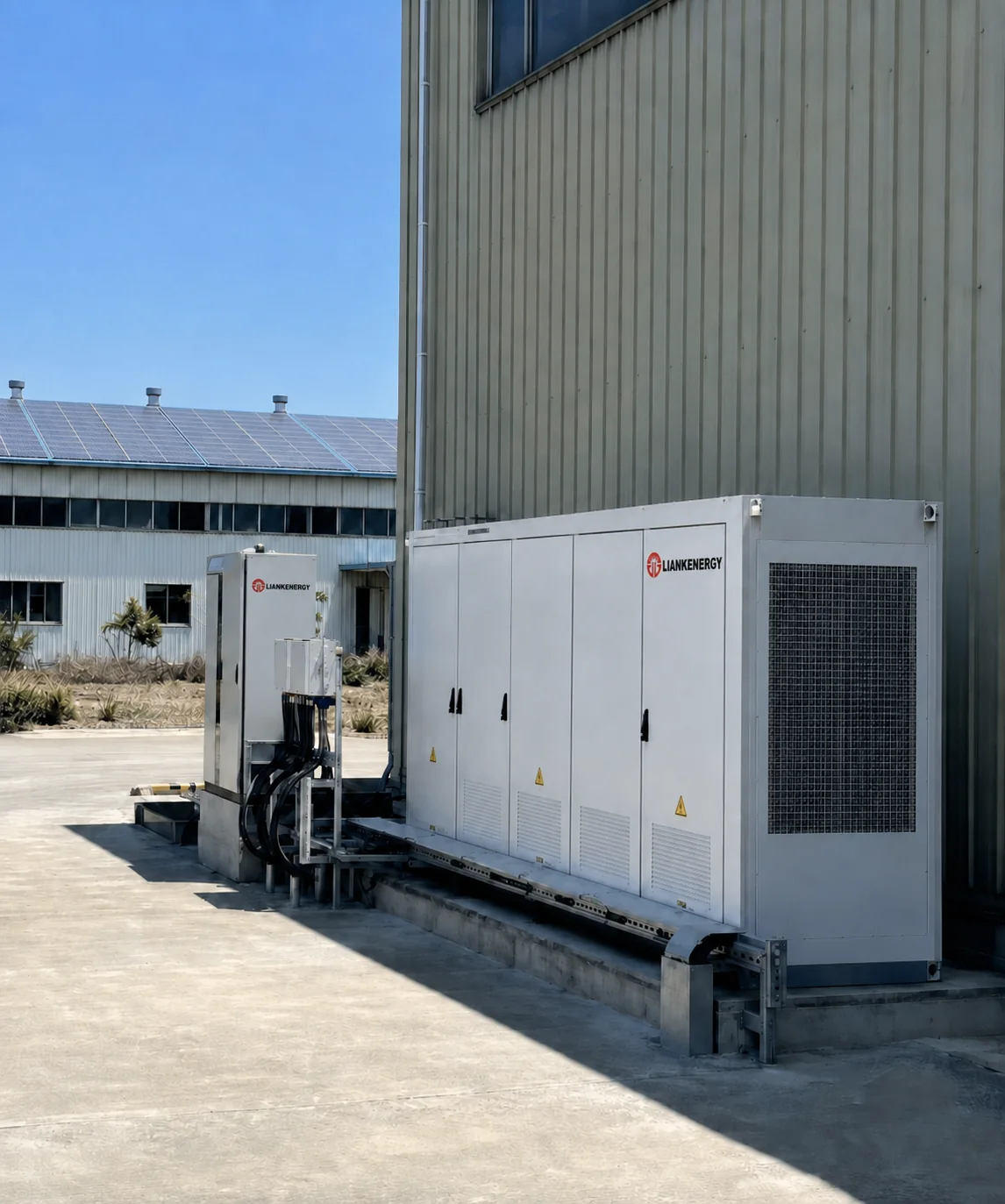
Updates and Guidance for Better Energy Decisions
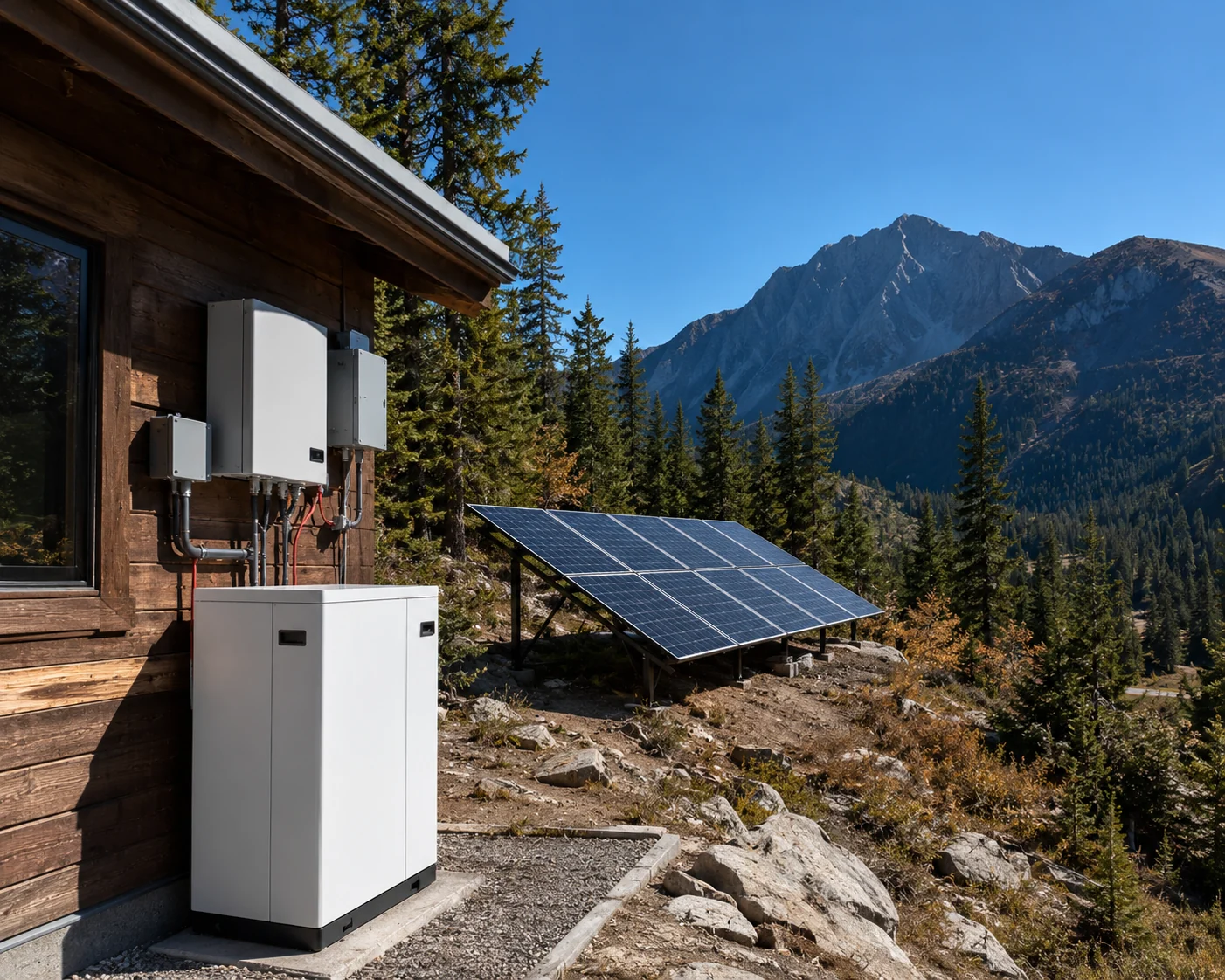
What Size Inverter Do I Need? A Practical Guide for Home Solar and Battery Systems
LiFePO4 vs Lithium-Ion Battery: Which Is Better for Home Energy Storage?
Compare LiFePO4 with other lithium-ion battery chemistries for home energy storage, including safety, cycle life, energy density, inverter compatibility, installation…
Read articleCan You Add a Battery to an Existing Solar System? A Practical Retrofit Guide
Already have solar panels? Learn how to add battery storage by checking your inverter, backup loads, compatibility, system layout and…
Read article