
What this collection is designed to solve
An inverter selection should reflect continuous power, starting current, operating mode, solar array design and battery capability. The highest wattage model is not automatically the best fit.
Off-grid inverters
Build a more reliable independent or backup power proposal with 6.2kW and 11kW inverter classes. Match the model to simultaneous loads, surge demand, battery capability, PV string design and operating mode.
Product overview
An inverter selection should reflect continuous power, starting current, operating mode, solar array design and battery capability. The highest wattage model is not automatically the best fit.
Buyer value
Use simultaneous and surge loads instead of selecting only by the largest nameplate wattage.
Check whether the planned battery can support the required voltage and current.
Review module data and string layout before the inverter model is finalized.
Confirmed product range
Open a product page for verified model-level specifications, compatibility notes and project-fit guidance.
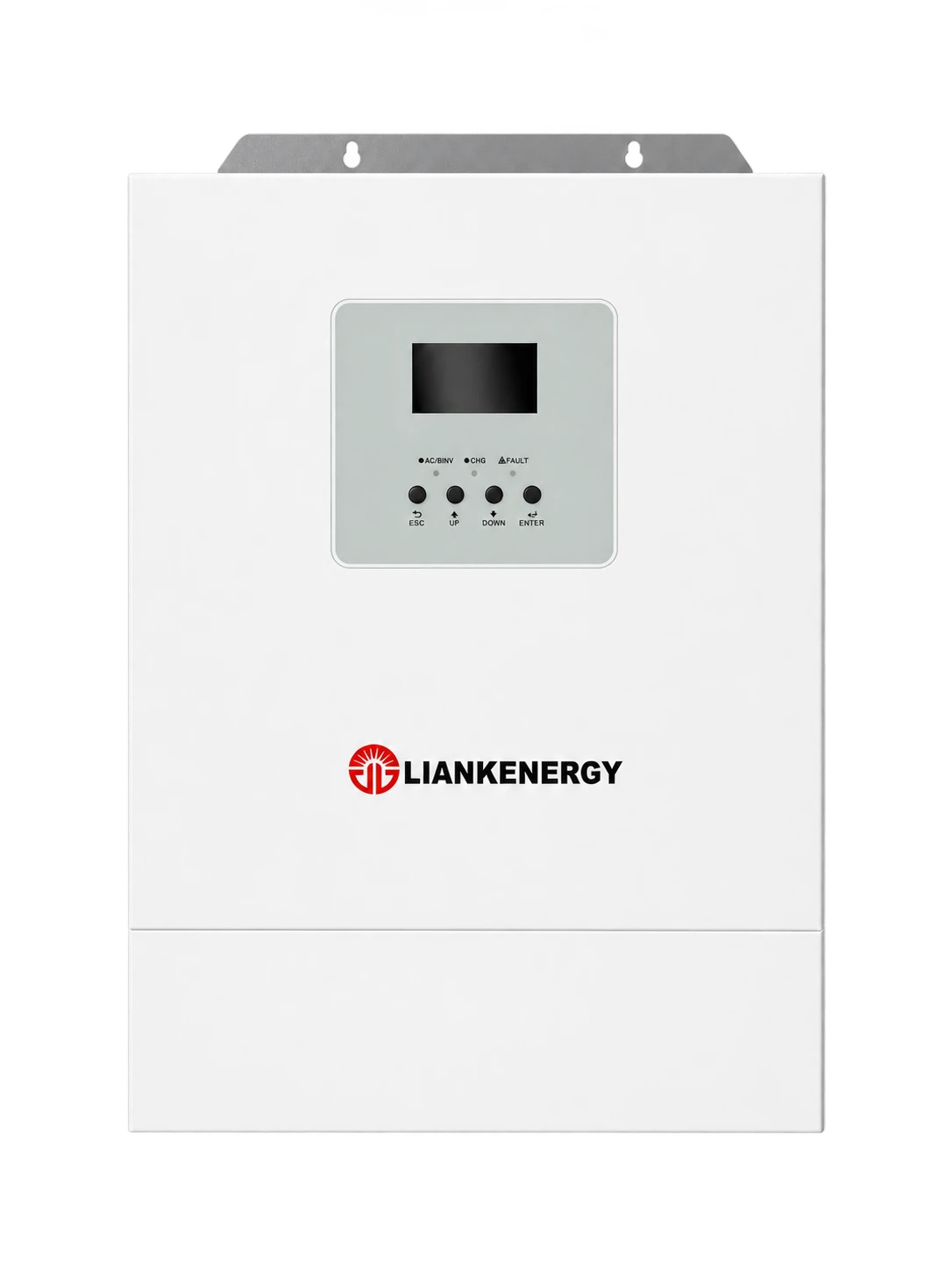
Power conversion for independent, backup and solar-plus-battery applications.
Consider whenThe simultaneous load and surge calculation fits the 6.2kW class.
Confirm firstLargest starting load, battery capability, PV input and operating mode.
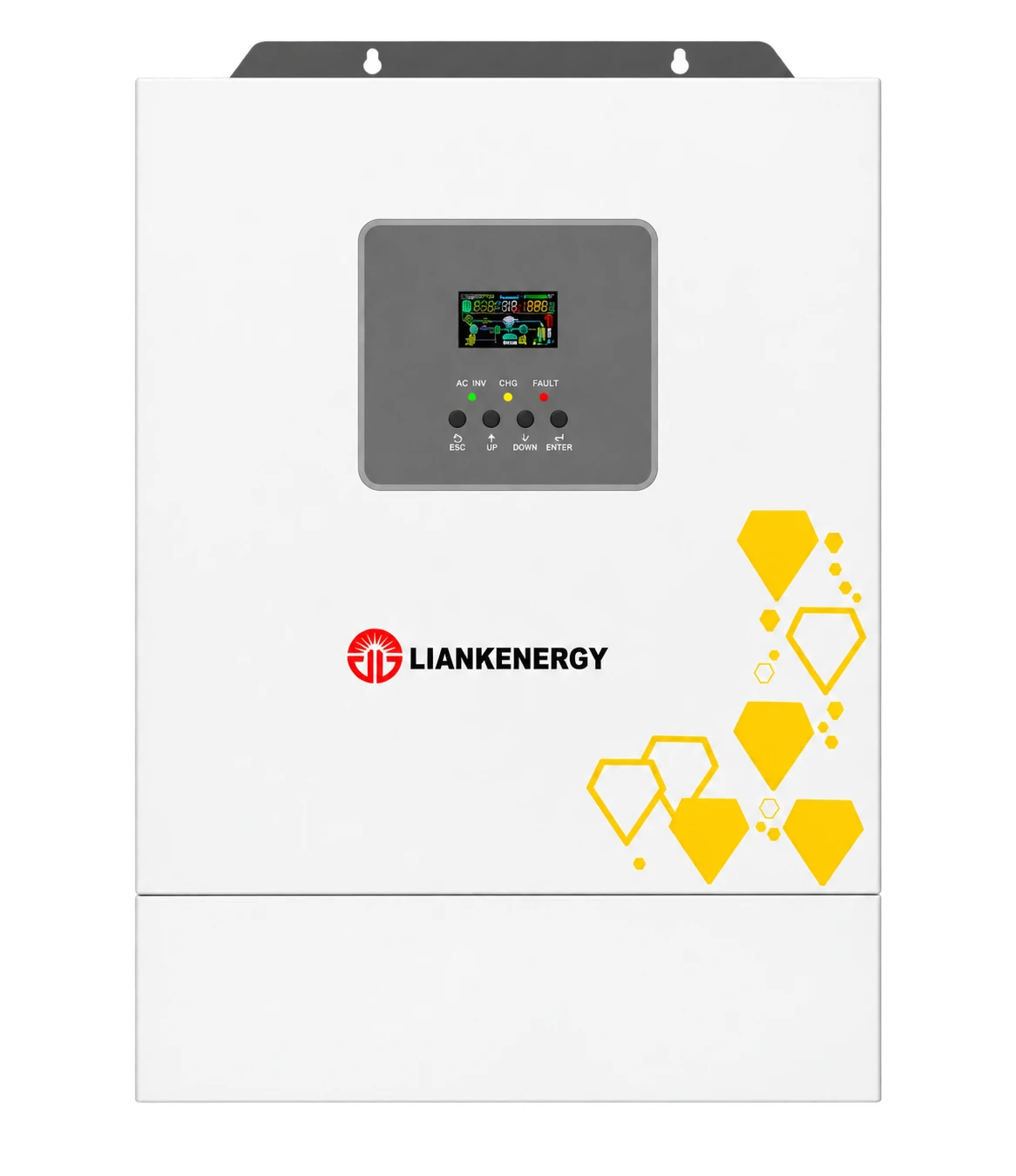
A higher-power inverter option for larger load groups and solar systems.
Consider whenThe project has a larger simultaneous load group after surge loads are checked.
Confirm firstLoad diversity, starting current, battery current and PV string limits.
Selection logic
Use these questions to narrow the product family before comparing model specifications.
Add continuous loads and identify motors, pumps or appliances with starting surge.
Confirm voltage, current capability, capacity and communication requirements.
Match string voltage, current and array size to the inverter input limits.
Comparison framework
| Power decision | Continuous load plus realistic surge margin |
|---|---|
| Battery decision | Voltage platform, current and required runtime |
| PV decision | String voltage, input current and expected solar production |
Project confidence
Bring the right inputs into the discussion early, then verify the selected model against current technical documents and project conditions.
Use actual loads, operating objectives and target runtime or duty cycle to frame the shortlist.
Review voltage, current, power electronics, protection and communication before quotation.
Check location, environment, access, clearances, service responsibilities and local requirements.
Frequently asked questions
Calculate simultaneous continuous loads and the starting surge of motor-driven equipment, then review an appropriate margin.
That depends on its supported operating modes, transfer behavior, wiring design and local requirements.
Send the load list, largest surge load, battery plan, PV module data, country and required operating mode.
Project review
A model recommendation should be based on the actual load list and starting current together with the battery and solar array design.