
01
Space-efficient
A shallow enclosure keeps the battery practical for utility rooms and compact home installations.
Compact Home Energy Storage
A slim 51.2V LiFePO4 battery designed for solar self-consumption, essential-load backup and homes that need useful capacity without a bulky installation.
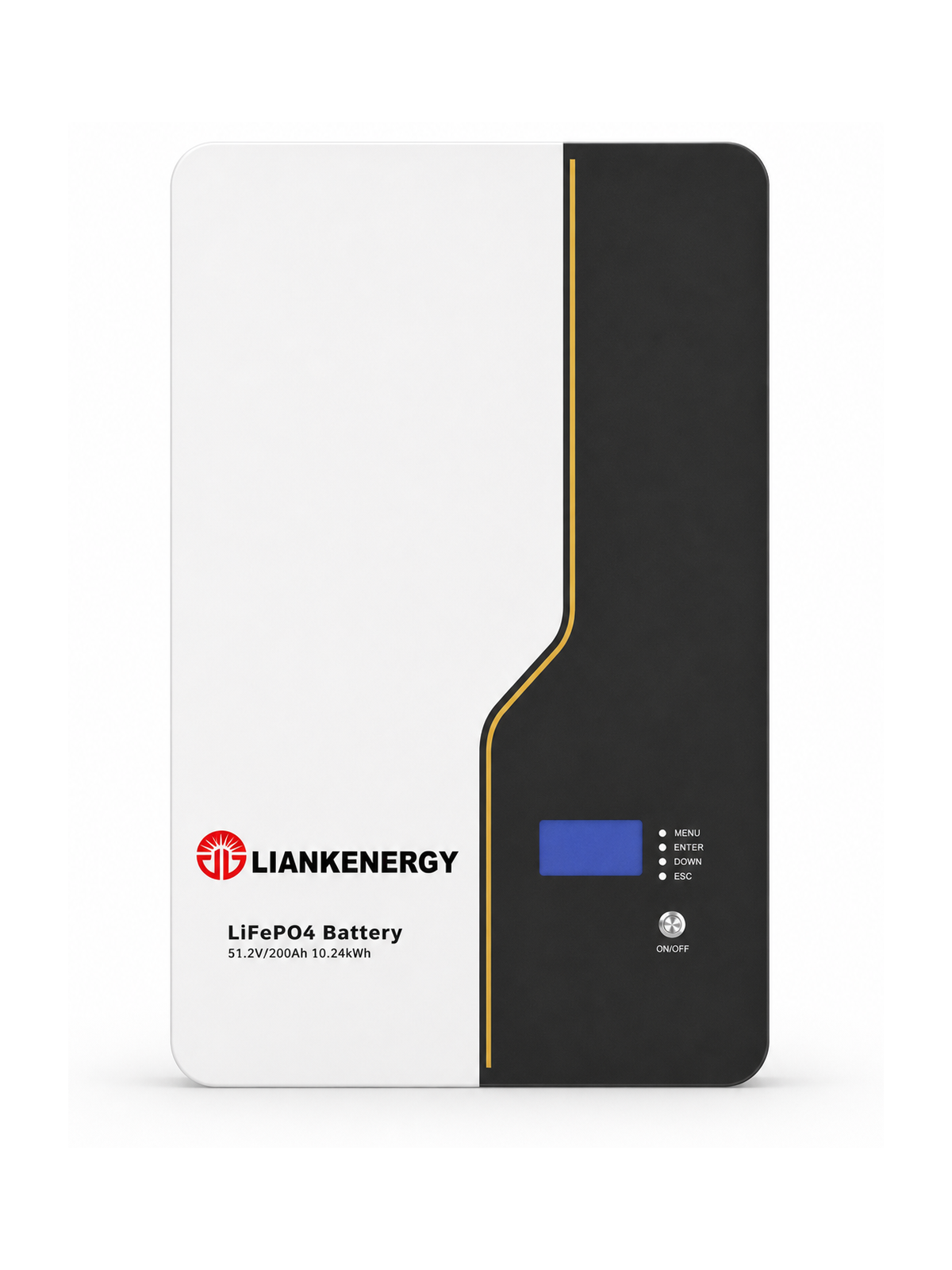 1 / 6
Product overview
E-STONE 5.1 is a compact 51.2V LiFePO4 home battery for customers who want to store daytime solar generation, support selected household circuits and keep installation space under control. Its shallow enclosure can be wall-mounted or floor-standing in a protected indoor utility area.
This model is best suited to apartments, smaller homes and first-stage solar storage projects where essential loads matter more than long whole-home backup. The battery communicates through CAN, RS485 or RS232, but the inverter model and protocol must be confirmed before ordering.
Choose it when one 5kWh-class battery matches the daily energy window. Consider E-STONE 16.0 when the protected load, evening consumption or target backup time clearly exceeds a compact battery's practical range.
Confirm the inverter model, communication protocol, protected load and target backup time.
Product advantages
A shallow enclosure keeps the battery practical for utility rooms and compact home installations.
Stores daytime PV generation for evening loads when paired with a compatible inverter.
Parallel support gives the system a clear path for future household demand.
Selection logic
Store surplus PV energy during the day and use it for selected evening loads.
Support lighting, communications and other planned circuits through a compatible backup inverter.
Use a shallow wall or floor arrangement in a protected utility area.
Verified technical data
Confirm the current datasheet, model scope and project conditions before specification or quotation.
| Electrical specification | E-STONE 5.1kWh Home Battery |
|---|---|
| Cell chemistry | LFP (LiFePO4) |
| Energy | 5.32 kWh |
| Nominal voltage | 51.2 V |
| Operating voltage | 45.6–56.16 V |
| Output current | 100 A / 50 A |
| BMS protection current | 110 A, 1 s |
| Communication | CAN / RS485 / RS232 |
| Cell certifications | UN38.3 / IEC 62619 / UL 1642 |
| Battery pack certifications | UN38.3 / IEC 62619 / IEC 61000 / UKCA |
| Display | SOC status display and LED indicators |
| Cycle life | 6,000 cycles @ 80% DoD, 25°C, 0.5C, 60% EOL |
| Parallel support | Up to 15 units |
| Operating modes | Grid-connected / grid-connected + standby / off-grid |
| Inverter compatibility | Major PCS brands; confirm against the compatibility list |
| Test condition | 100% DoD; charge/discharge at 0.2C and 25°C |
| Mechanical and environmental | E-STONE 5.1kWh Home Battery |
|---|---|
| Dimensions (W × D × H) | 450 × 150 × 533 mm (17.7 × 5.90 × 20.9 in) |
| Weight | 46 kg (101 lb) |
| Installation | Wall-mounted or floor-mounted |
| Ingress protection | IP20 |
| Operating temperature | −20°C to 60°C |
| Ambient humidity | ≤95% RH |
| Temperature derating | Applies from −10°C to 5°C and from 45°C to 55°C |
Test note: the brochure states cycle testing at 100% discharge depth and 0.2C at 25°C, while the service-life row states 6,000 cycles at 80% DoD, 25°C, 0.5C and 60% EOL. These conditions are shown separately to avoid merging two different statements.
Installation and expansion
Check the mounting or floor support, ventilation, service access and the permitted operating environment before installation.
Match the battery voltage range, current settings and communication protocol to the exact inverter model and firmware.
Plan cable sizing, protection devices, inverter limits and the commissioning sequence together with the required capacity.
Record battery addresses, communication wiring, charge and discharge limits, and firmware versions for later service.
Compatibility and documents
Cell references include UN38.3, IEC 62619 and UL 1642. Pack references include UN38.3, IEC 62619, IEC 61000 and UKCA. Confirm the current certificate, model scope and document availability before specifying or tendering.
Project fit
Frequently asked questions
It depends on the home's peak load and required backup time. It is commonly selected for essential circuits or modest daily consumption; a load calculation should be completed first.
Yes. The brochure specifies support for up to 15 parallel units. The final quantity must also comply with the inverter and system design.
Yes, when voltage and CAN or RS485 communication are compatible. Confirm the inverter model and protocol before shipment.
The listed protection class is IP20, so it should be installed in a protected indoor location unless a suitable external enclosure is provided.
The battery can support backup when paired with an inverter that provides EPS or off-grid output. Backup duration depends on the connected load.
Share daily energy use, peak load, backup circuits, inverter model, installation location and preferred expansion plan.
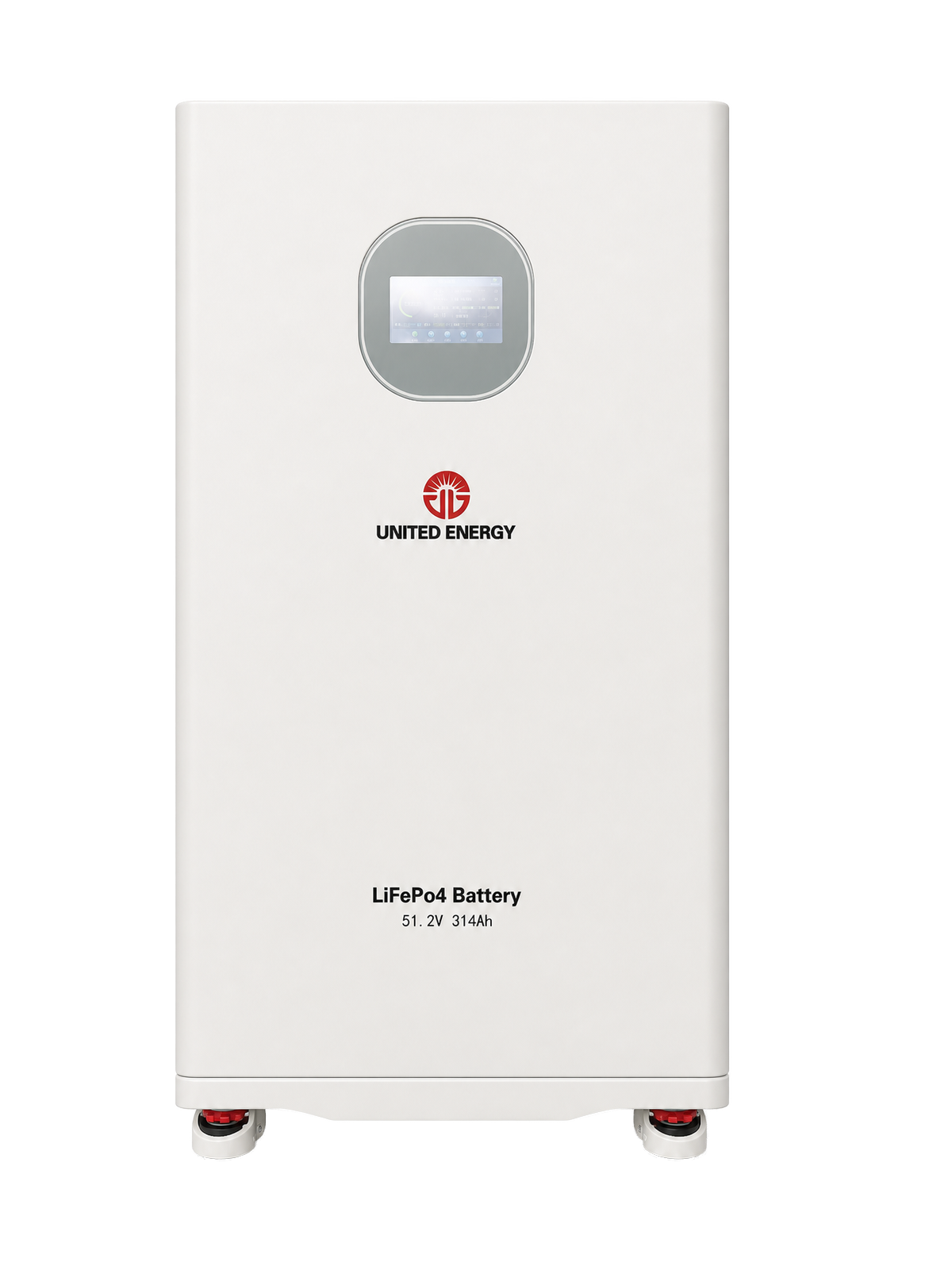 Residential Energy Storage
Higher-capacity residential storage for longer backup and daily cycling.
Residential Energy StorageAlternative residential format for projects requiring added system flexibility.
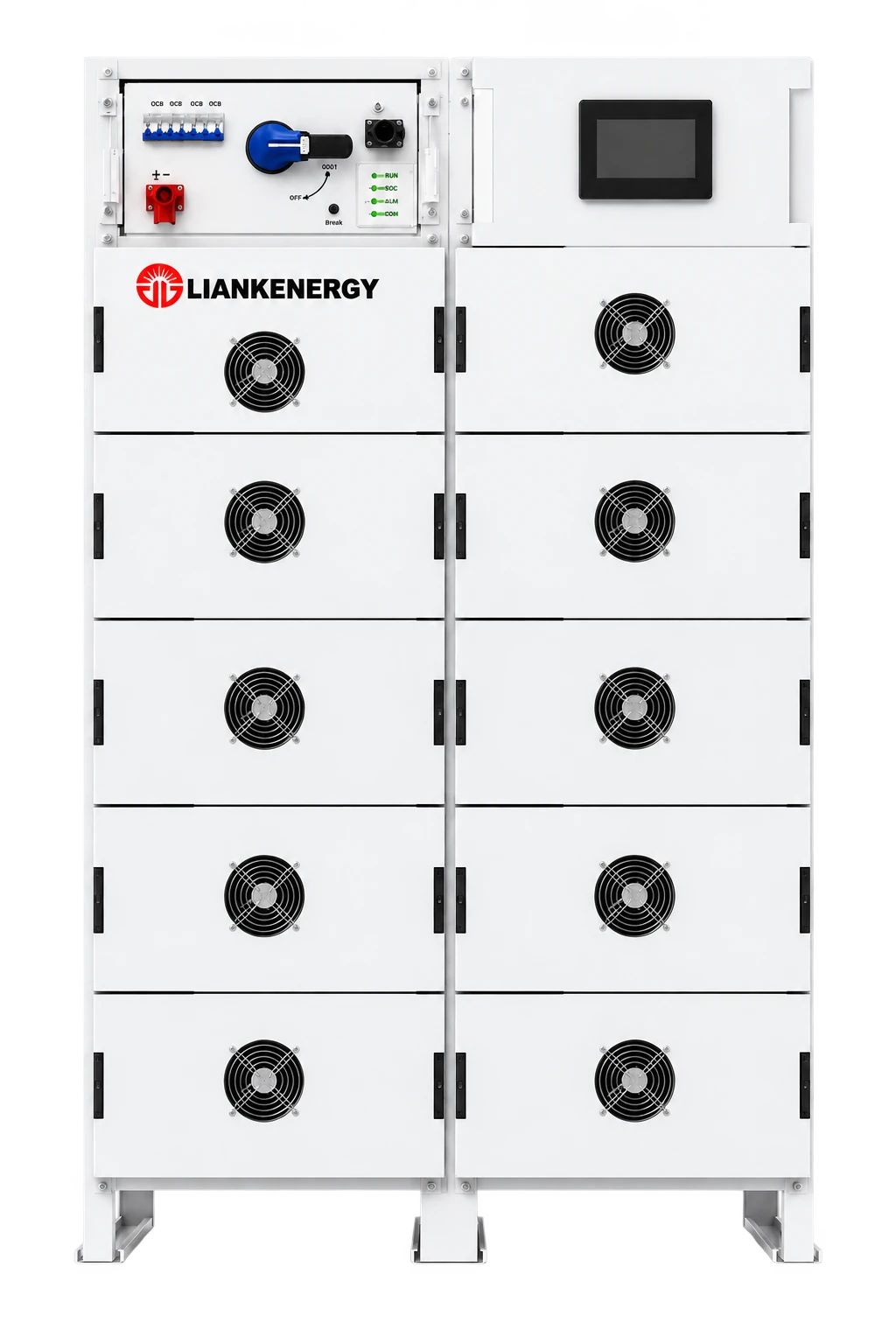 Commercial & Industrial ESS
Integrated commercial energy storage for facility and project applications.
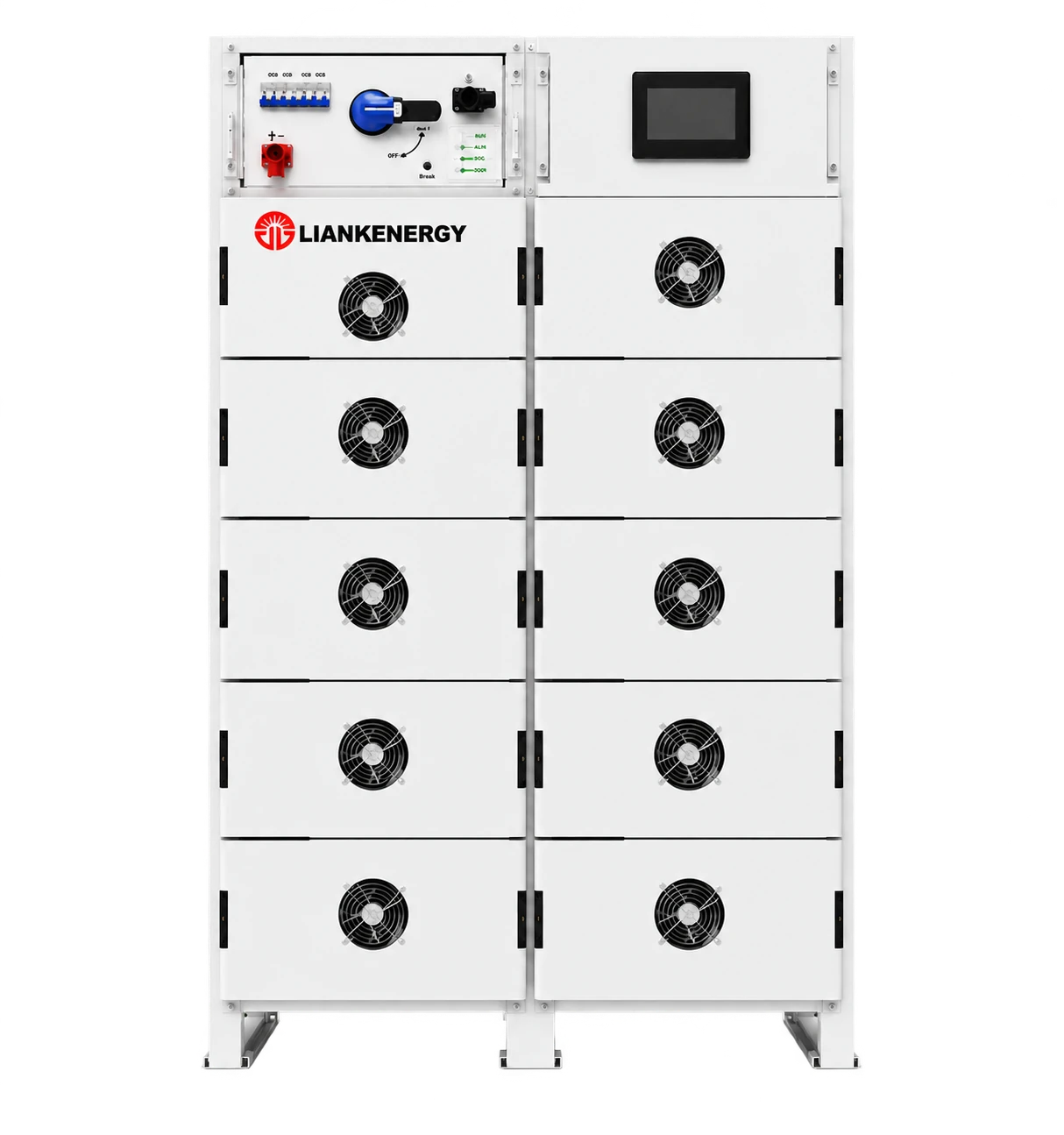 Commercial & Industrial ESS
Commercial storage platform for flexible indoor project deployment.
 Commercial & Industrial ESS
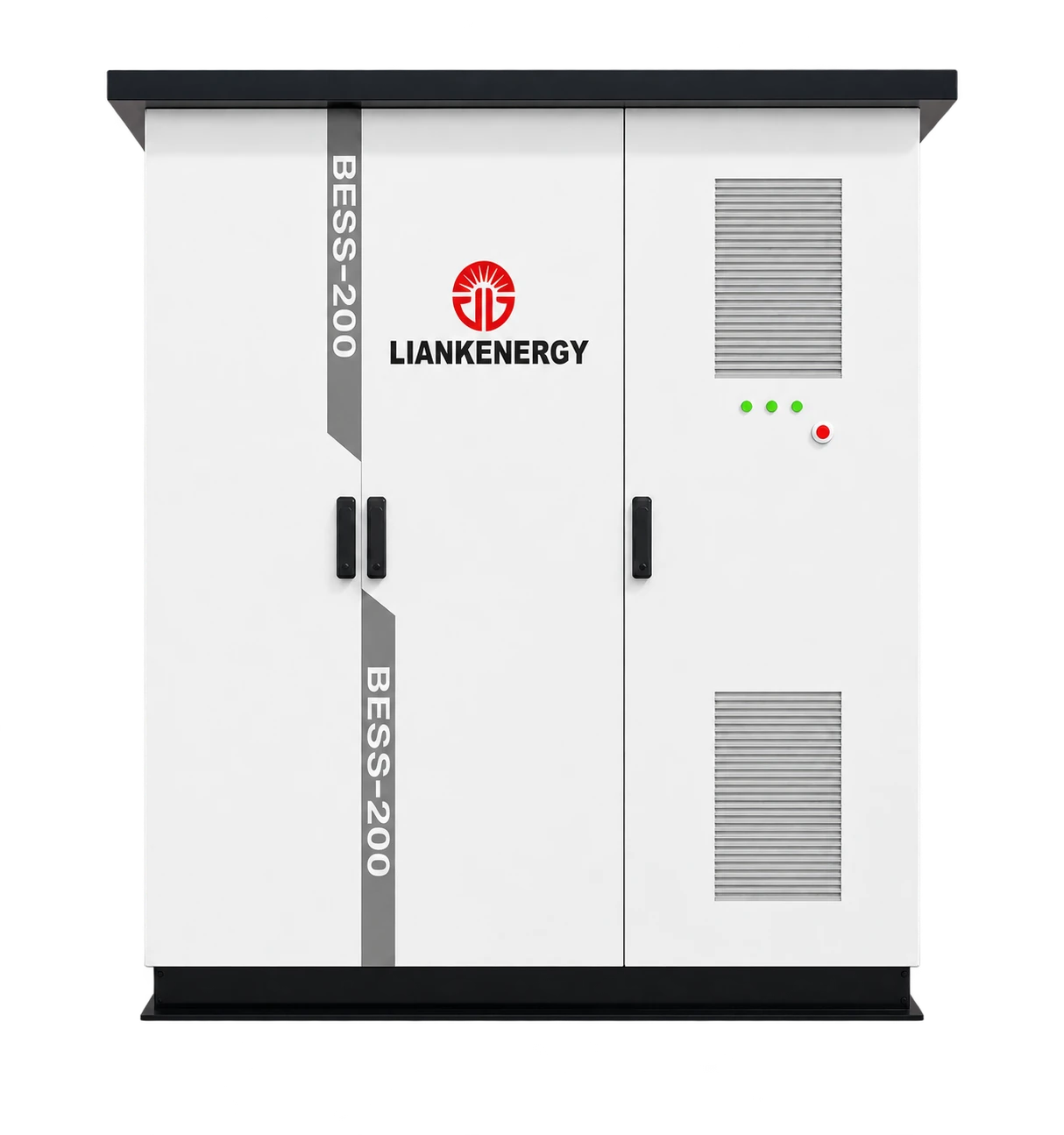
Outdoor cabinet storage for commercial facilities and distributed projects.
 Commercial & Industrial ESS
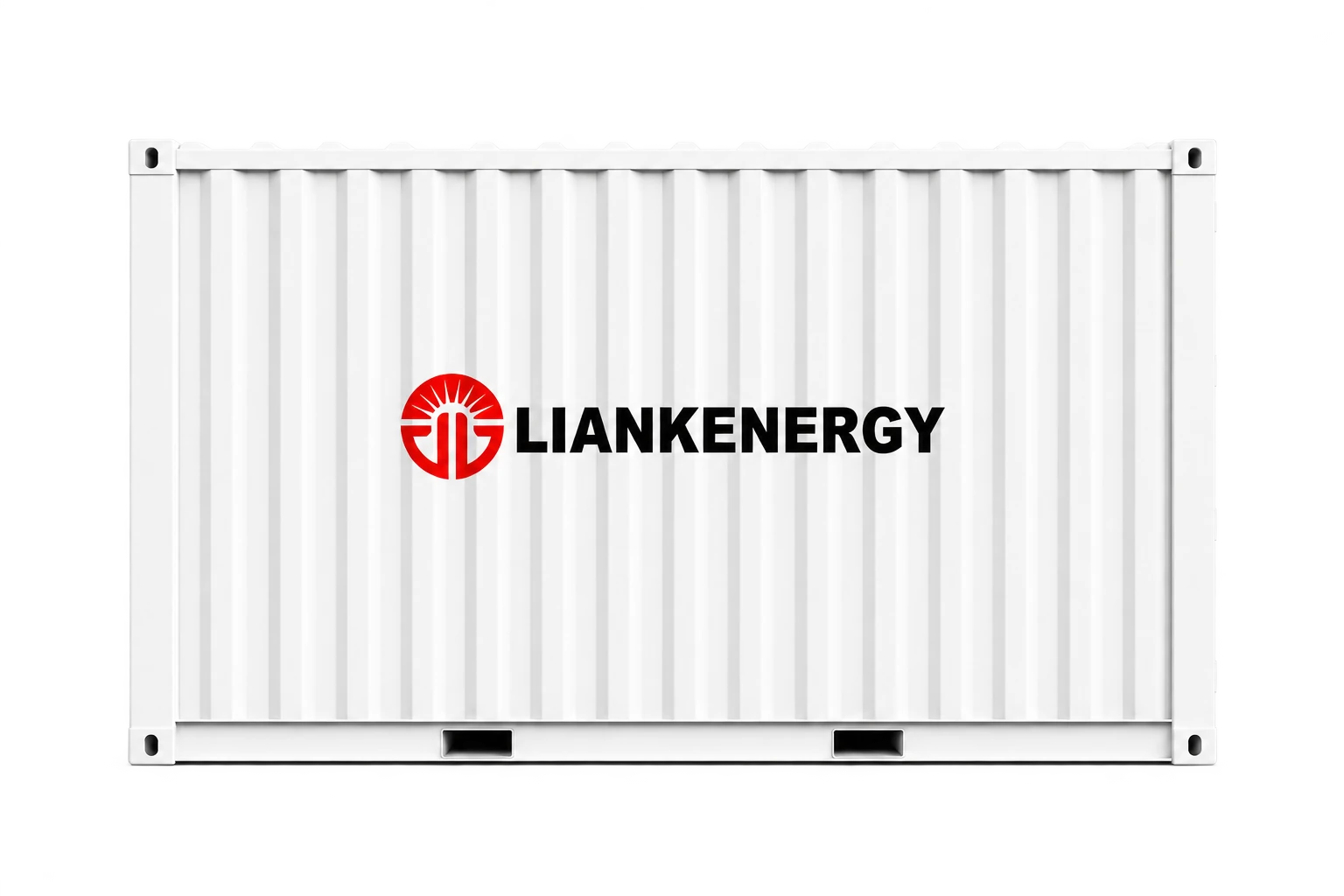
Project-scale storage platform for higher-capacity commercial applications.
 Lithium Batteries
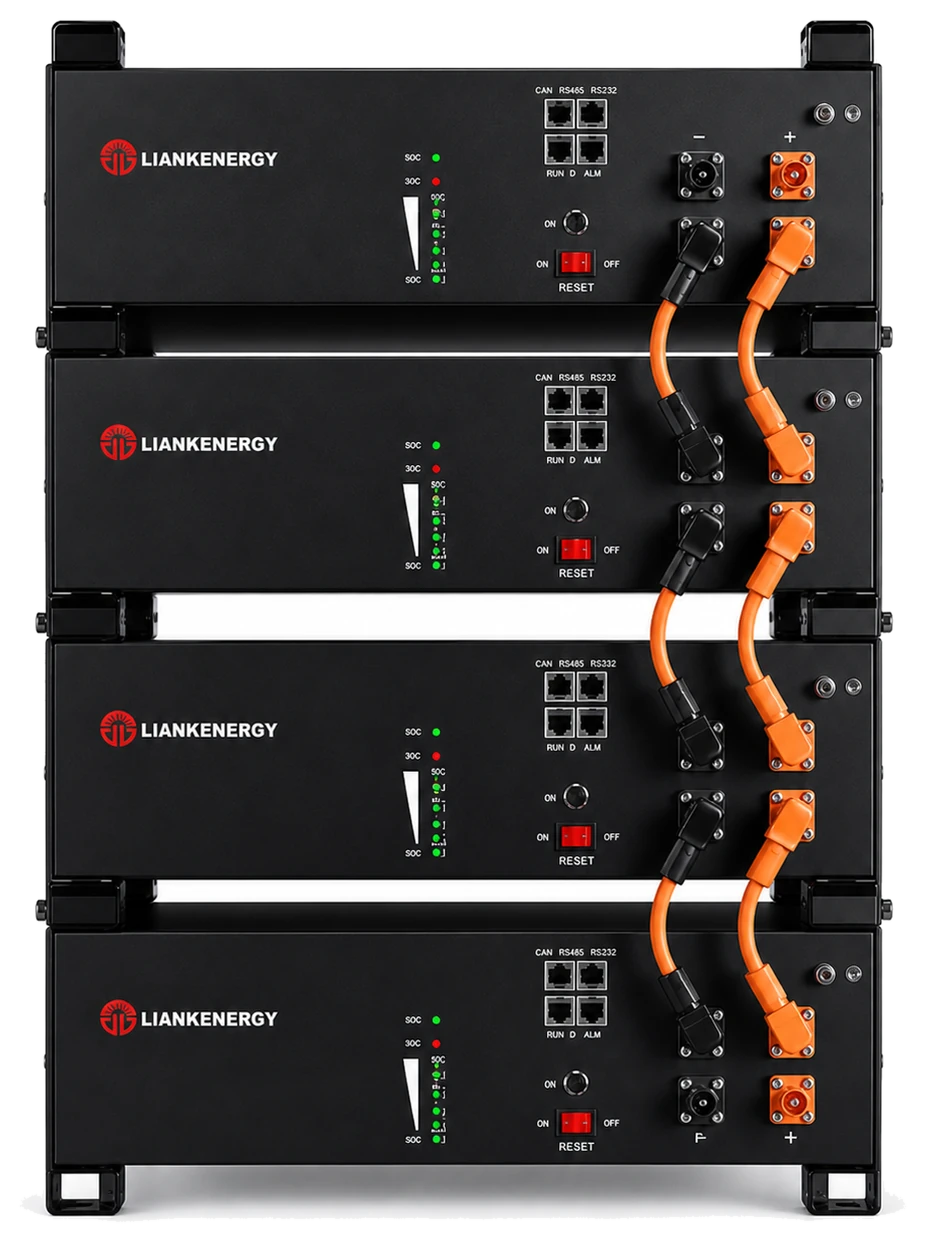
Stackable LiFePO4 battery module for scalable energy storage systems.
Lithium BatteriesExpanded modular battery capacity for residential and commercial demand.
 Off-Grid Inverters
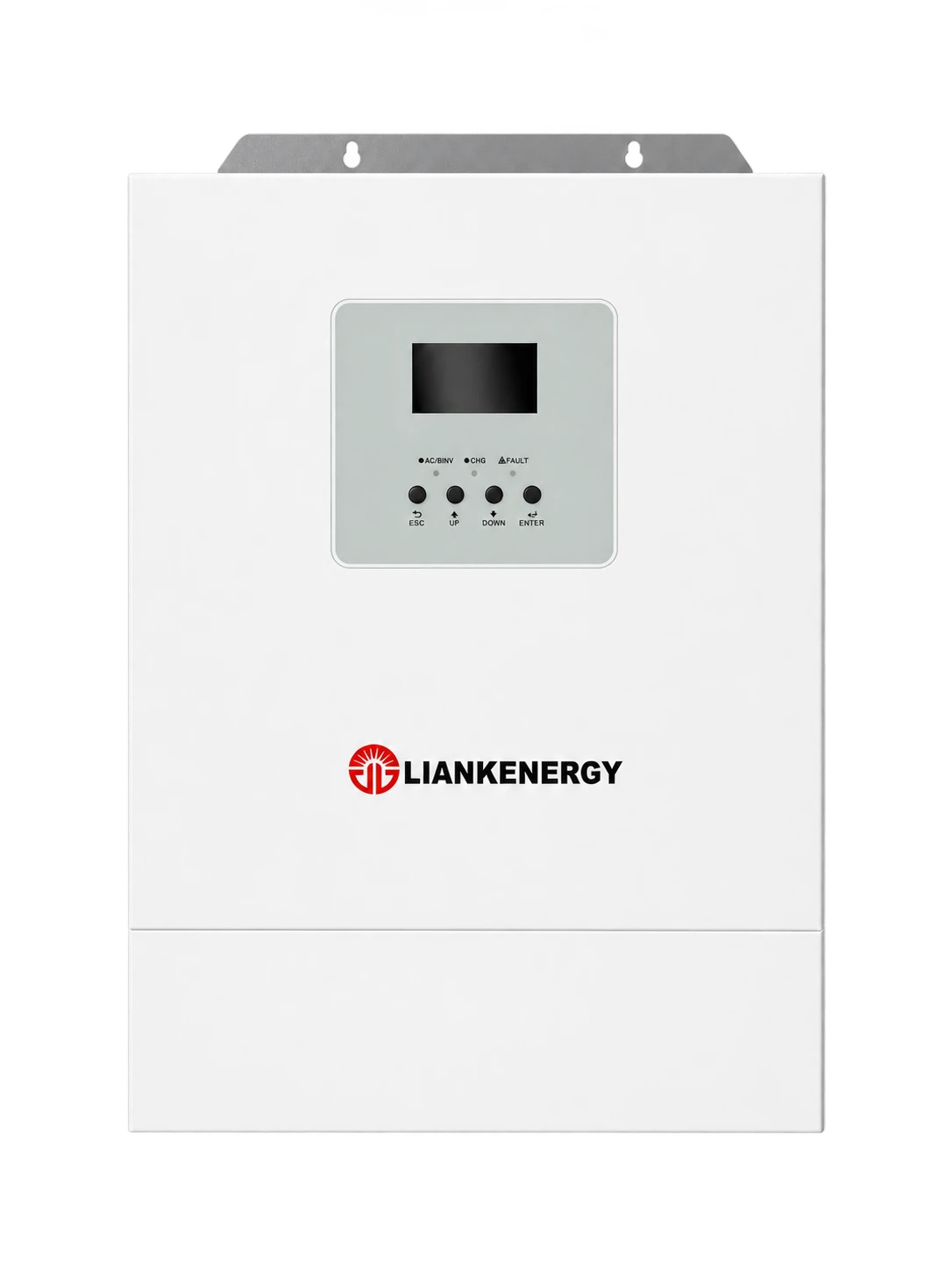
Off-grid solar inverter for independent and backup power systems.
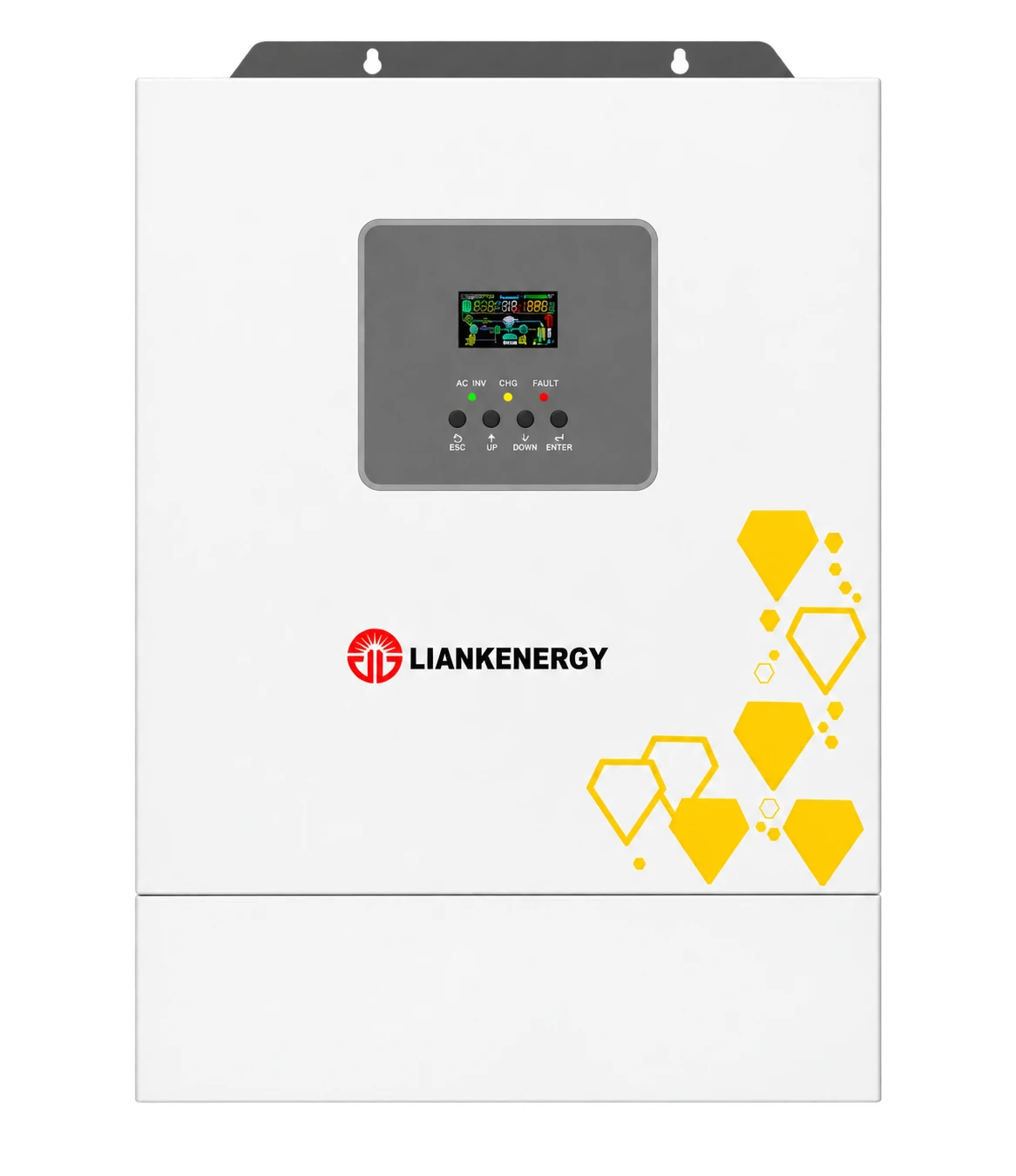 Off-Grid Inverters
Higher-power off-grid inverter for demanding residential and light-commercial loads.
Project review
Share the application, electrical platform, load, capacity, runtime and installation location.