
Off-Grid Inverters
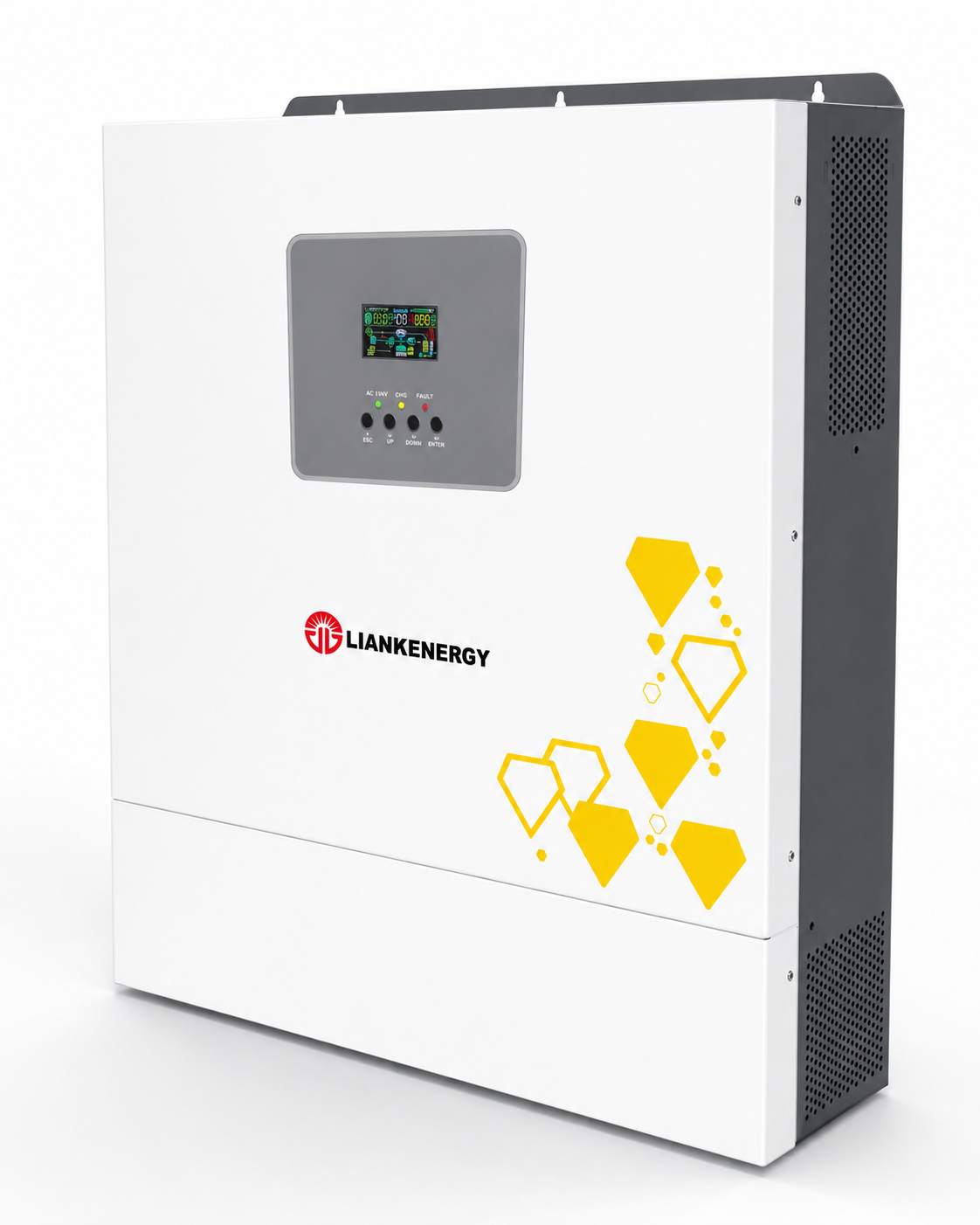
PV-INV Off-Grid Solar Inverters
Independent solar power conversion for remote homes, farms, cabins and sites without reliable grid access.
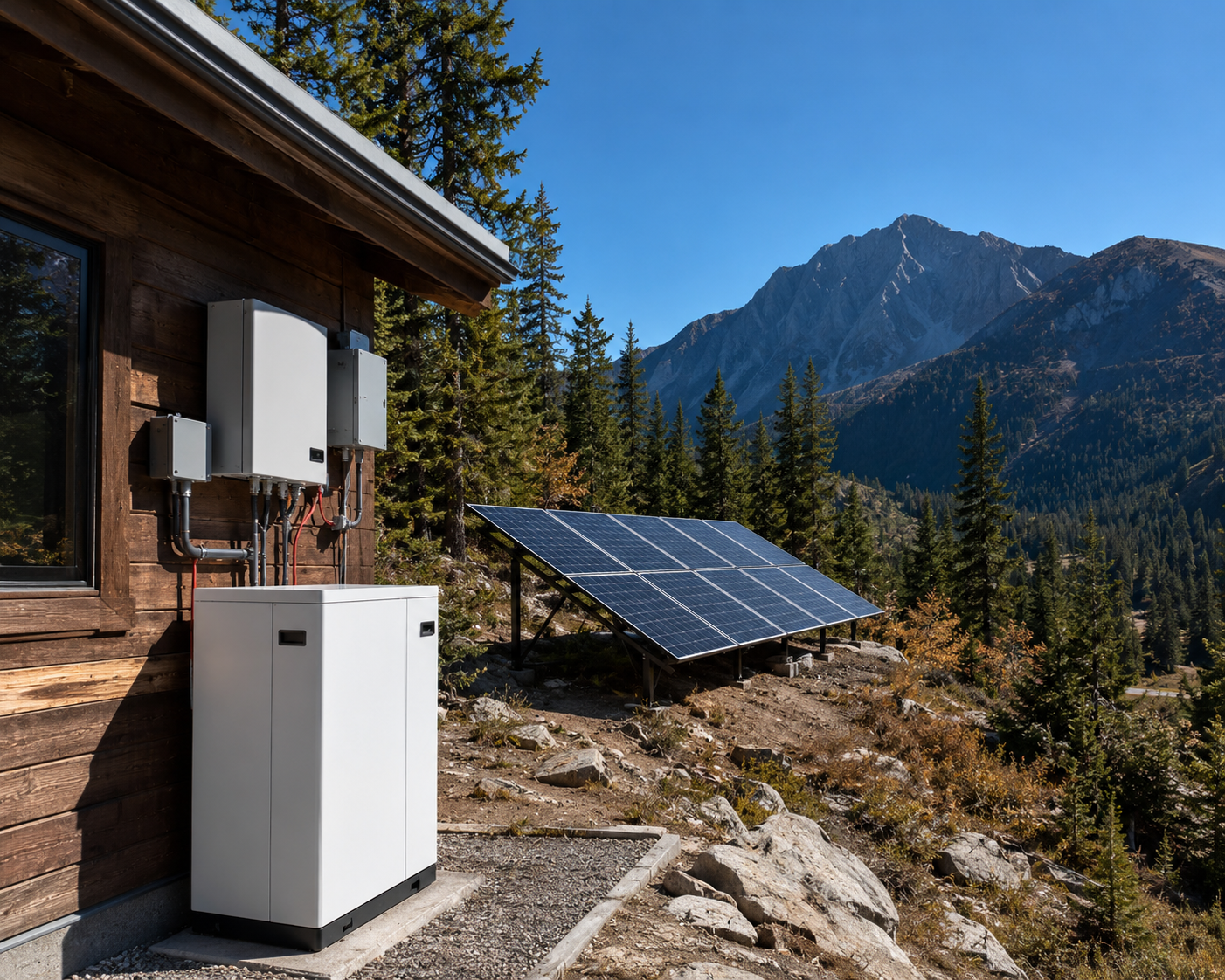
Independent Power for Remote and Weak-Grid Sites
Off-grid inverter selection starts from the site: load demand, PV input, battery capacity and the need for stable power where grid access is limited.
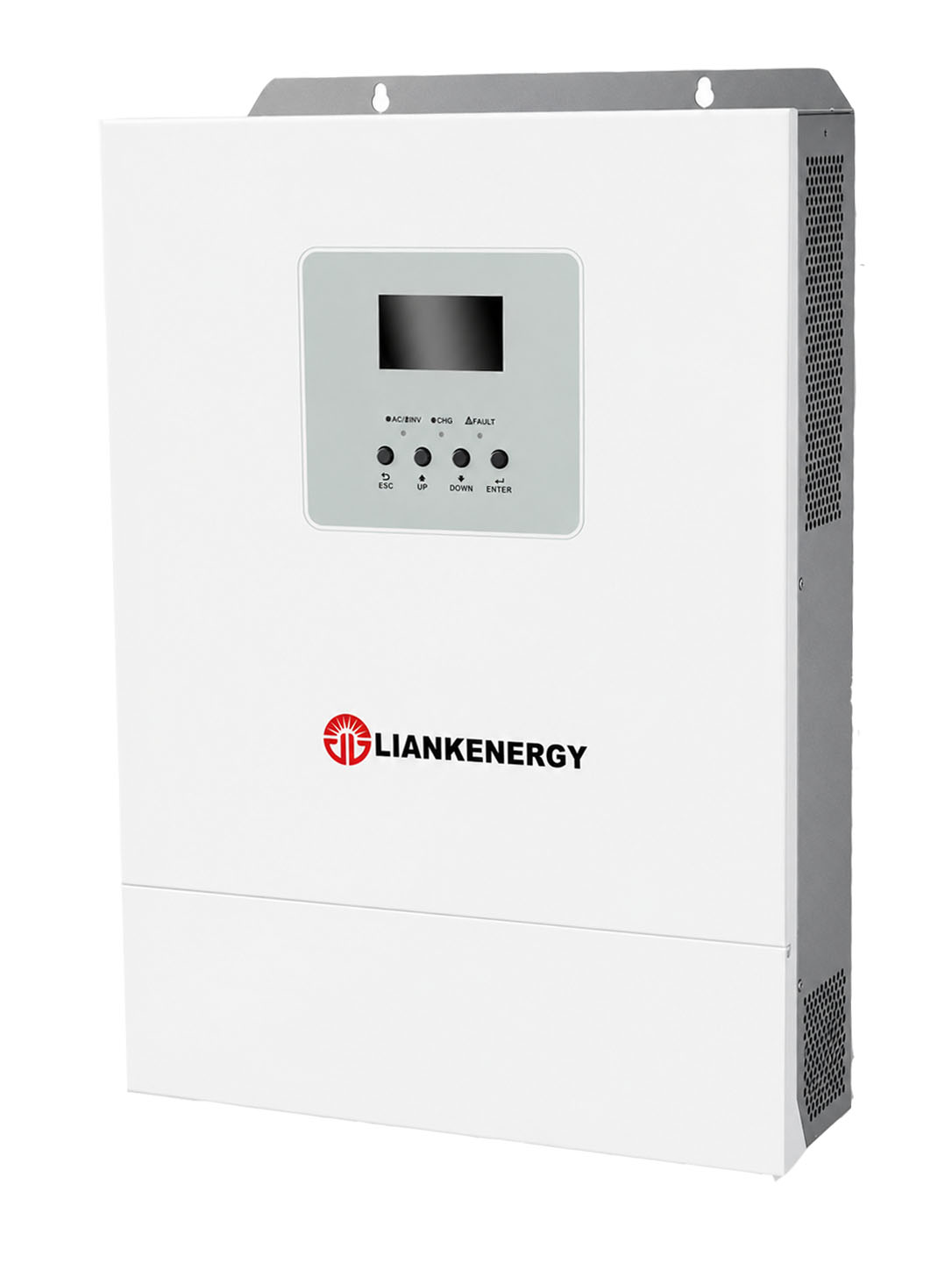
PV-INV Off-Grid Solar Inverters
PV-INV off-grid inverters are designed for independent solar power systems where battery storage and reliable conversion are essential. They help deliver stable power in remote or weak-grid environments.
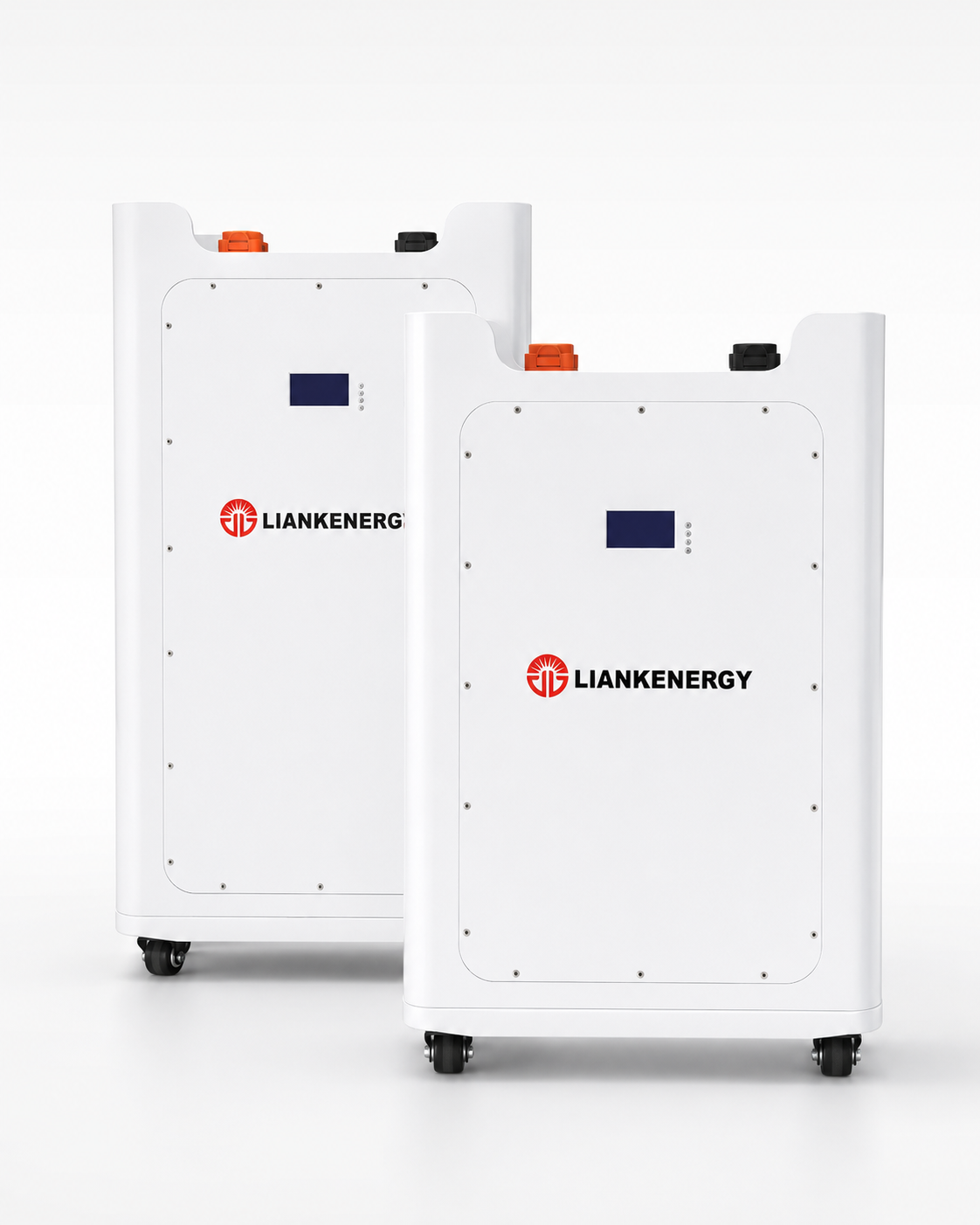
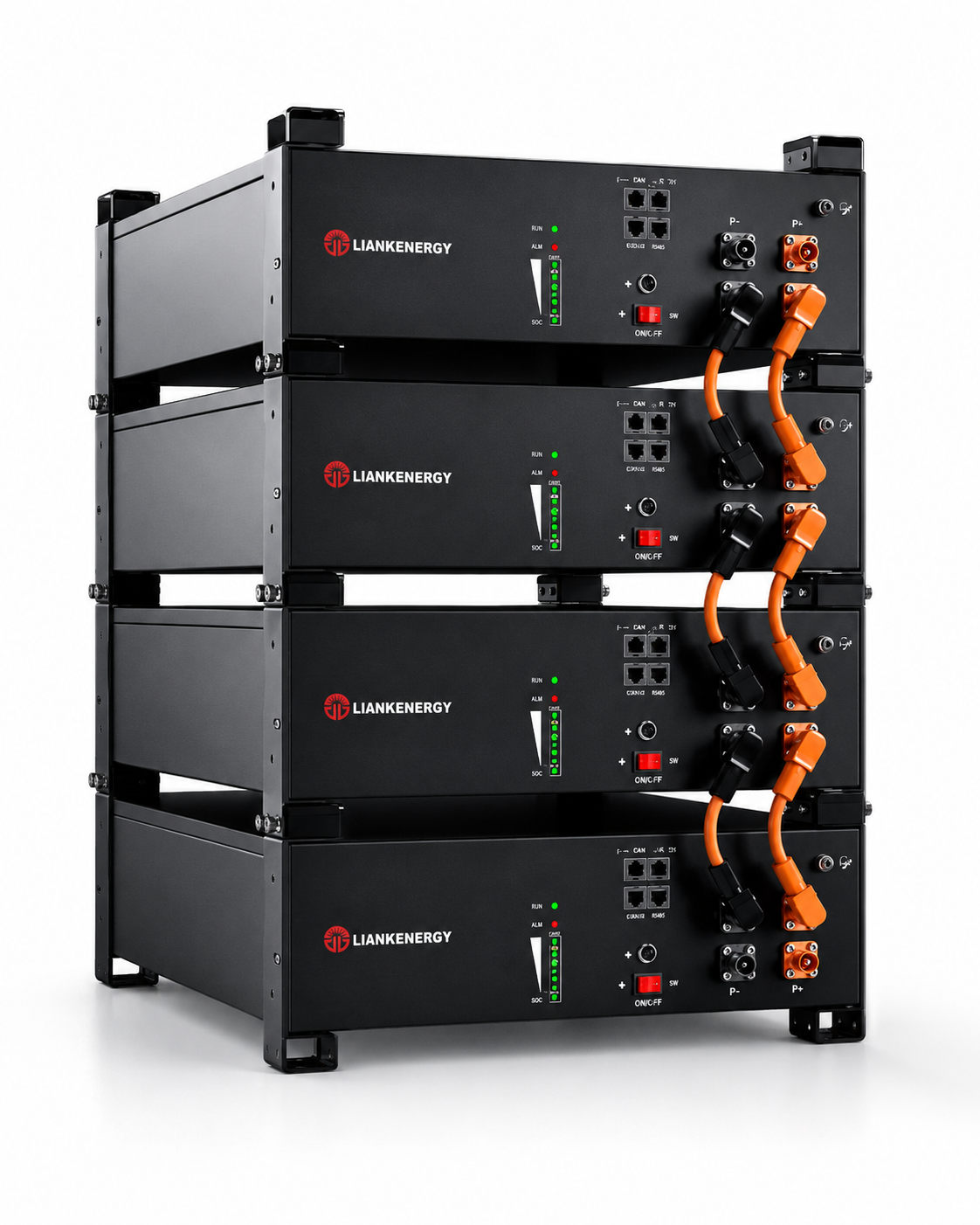
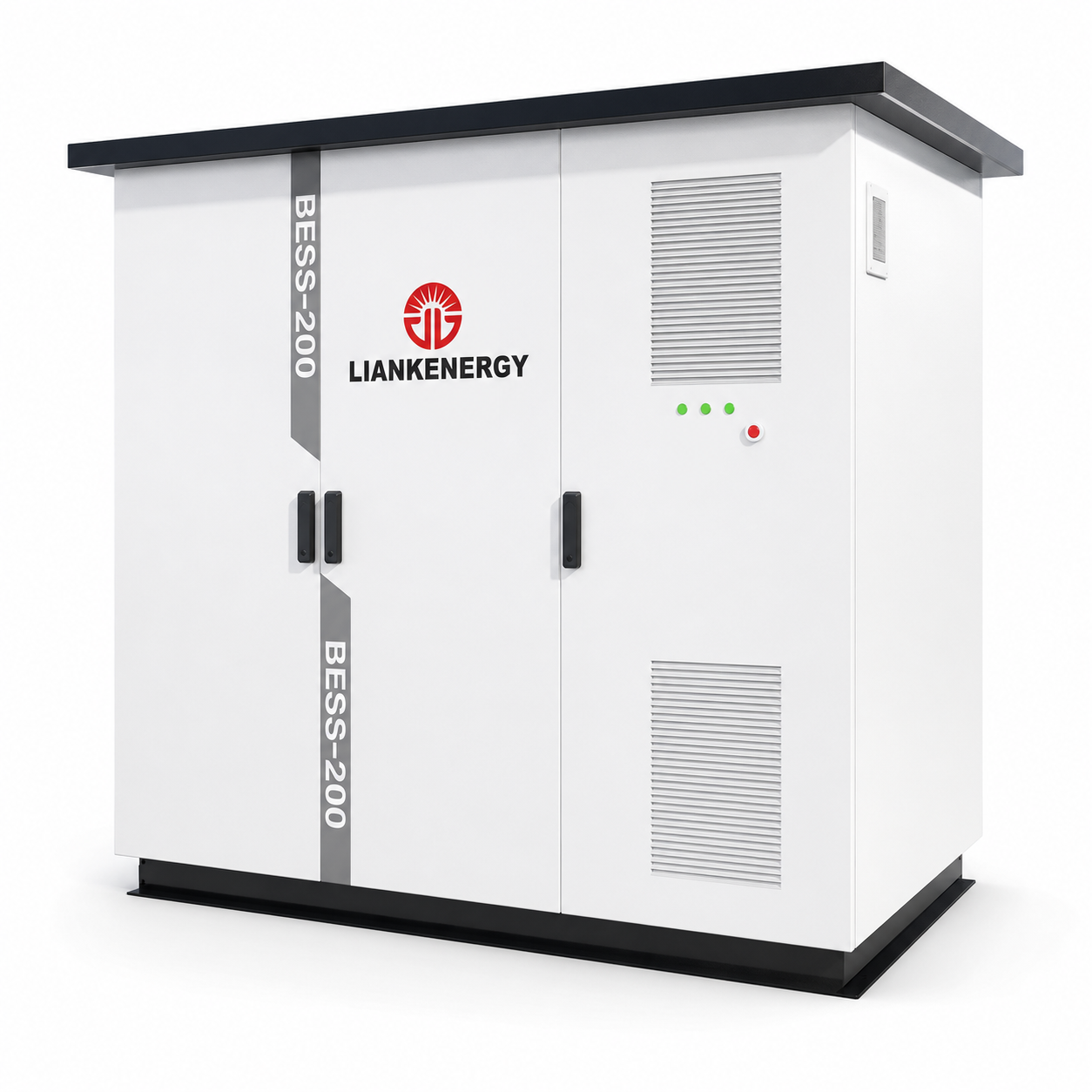
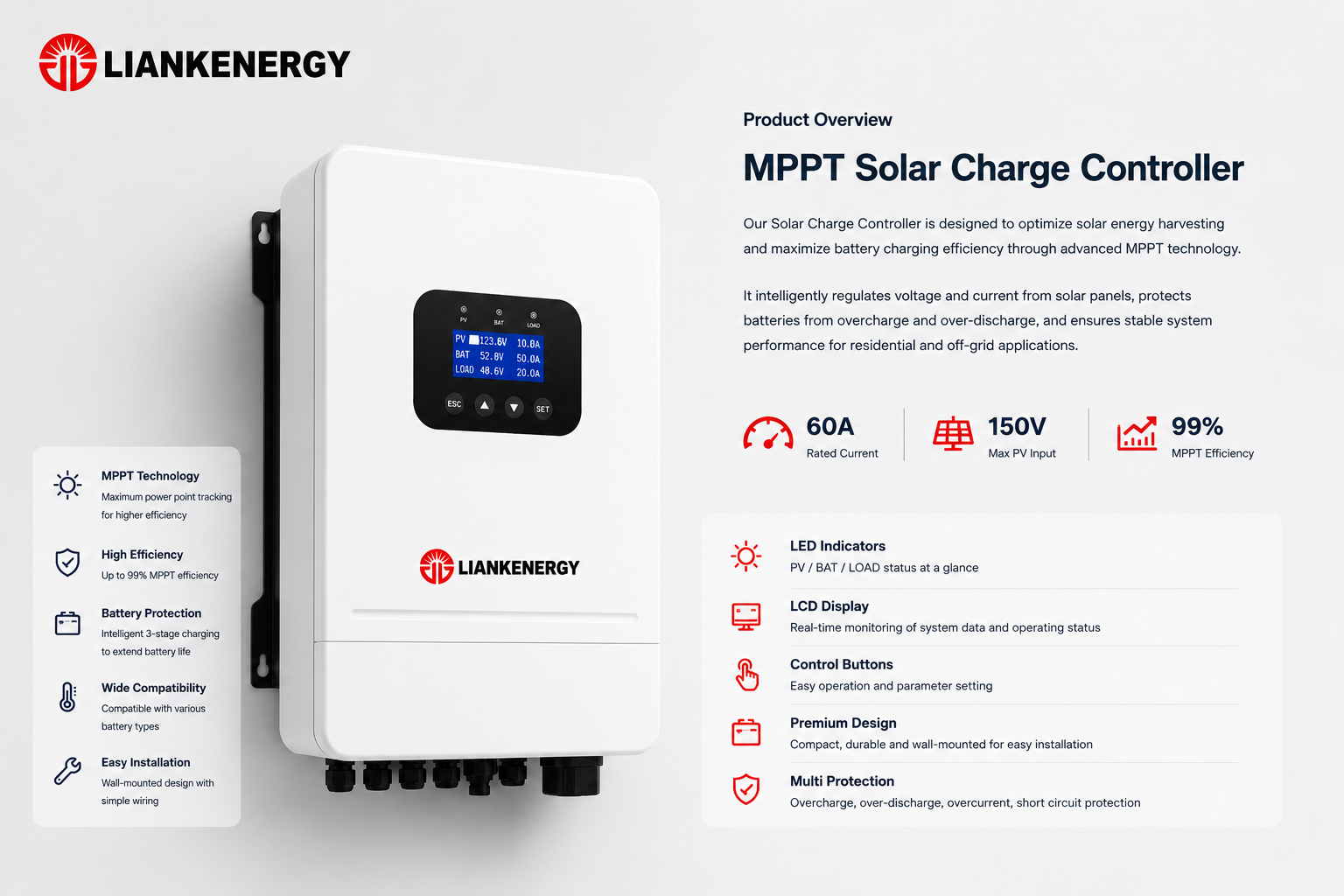
Where This Product Creates Value
These scenarios help customers recognize whether the product matches their energy storage project before they compare parameters.
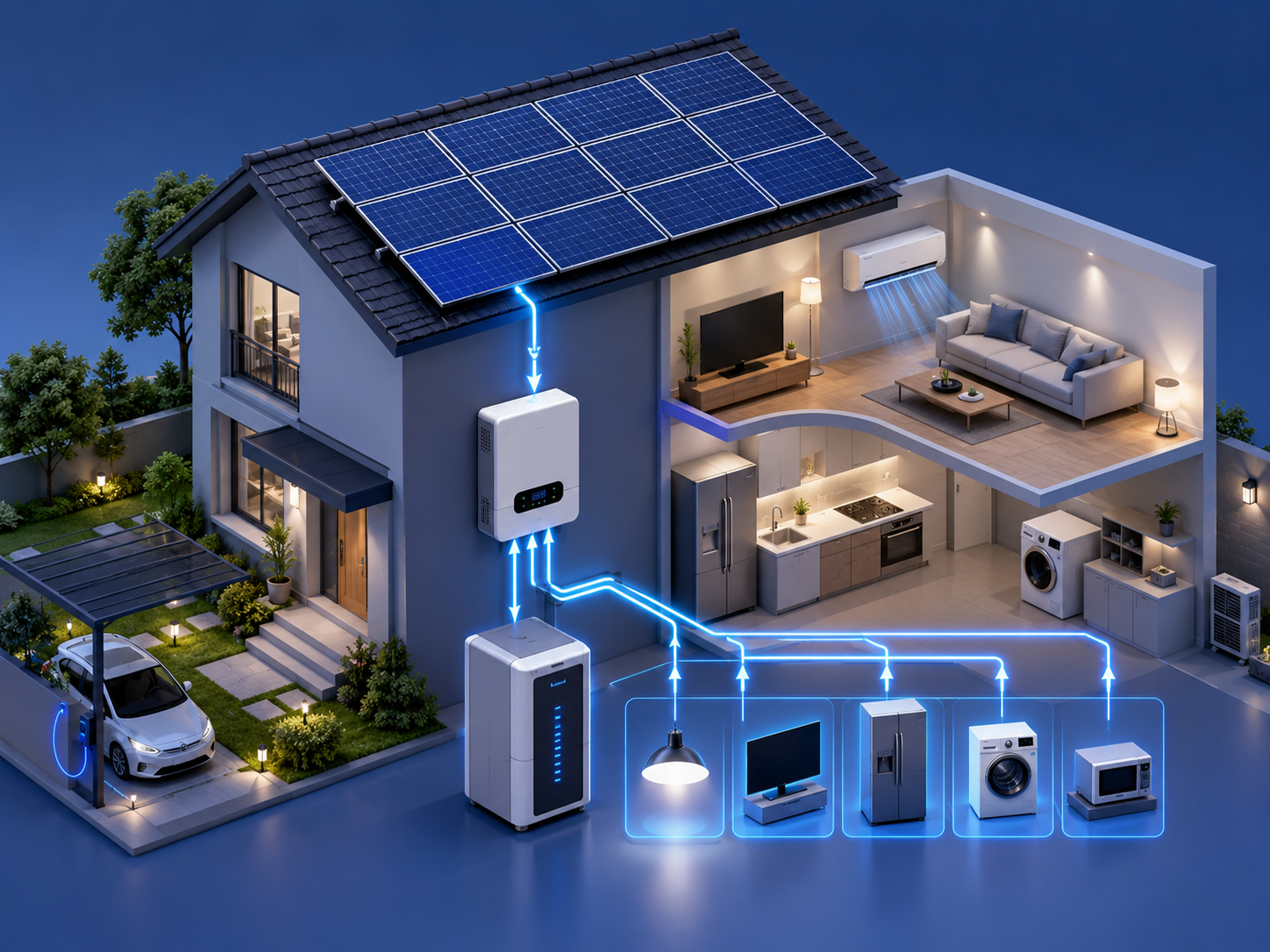
Remote Homes
Provide independent power where grid access is limited.
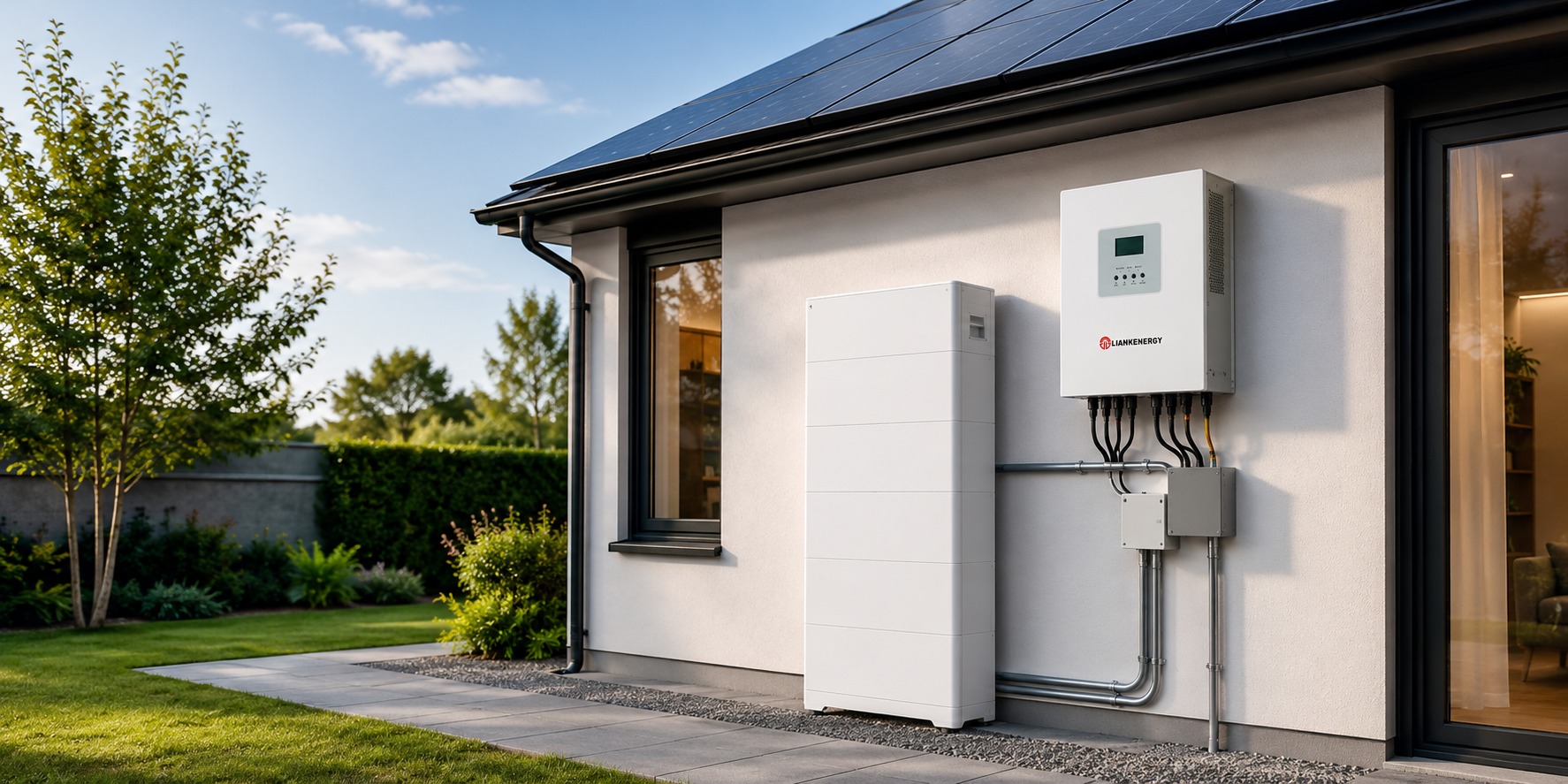
Farms and Cabins
Support essential equipment, lighting and small loads.
Solar Backup
Convert PV and battery power for off-grid use.
Advantages That Matter in Real Operation
Safety, system integration, expansion and installation support are presented through the operating environments where each advantage creates value.
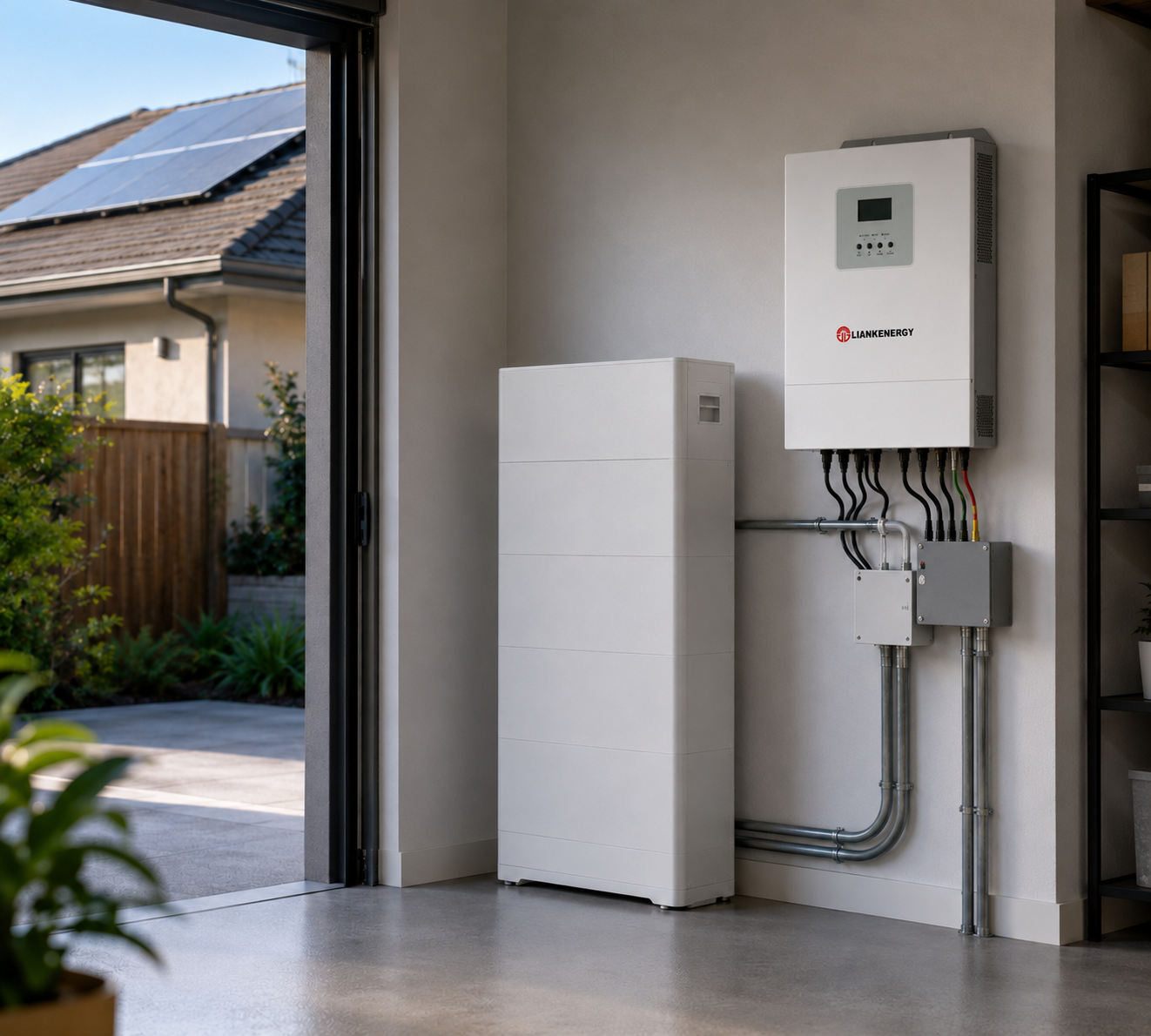 01
01Independent Power Supply
Designed for locations where stable grid access is unavailable, weak or unsuitable.
 02
02PV Battery Conversion
Converts solar and battery energy into usable AC power for off-grid applications.
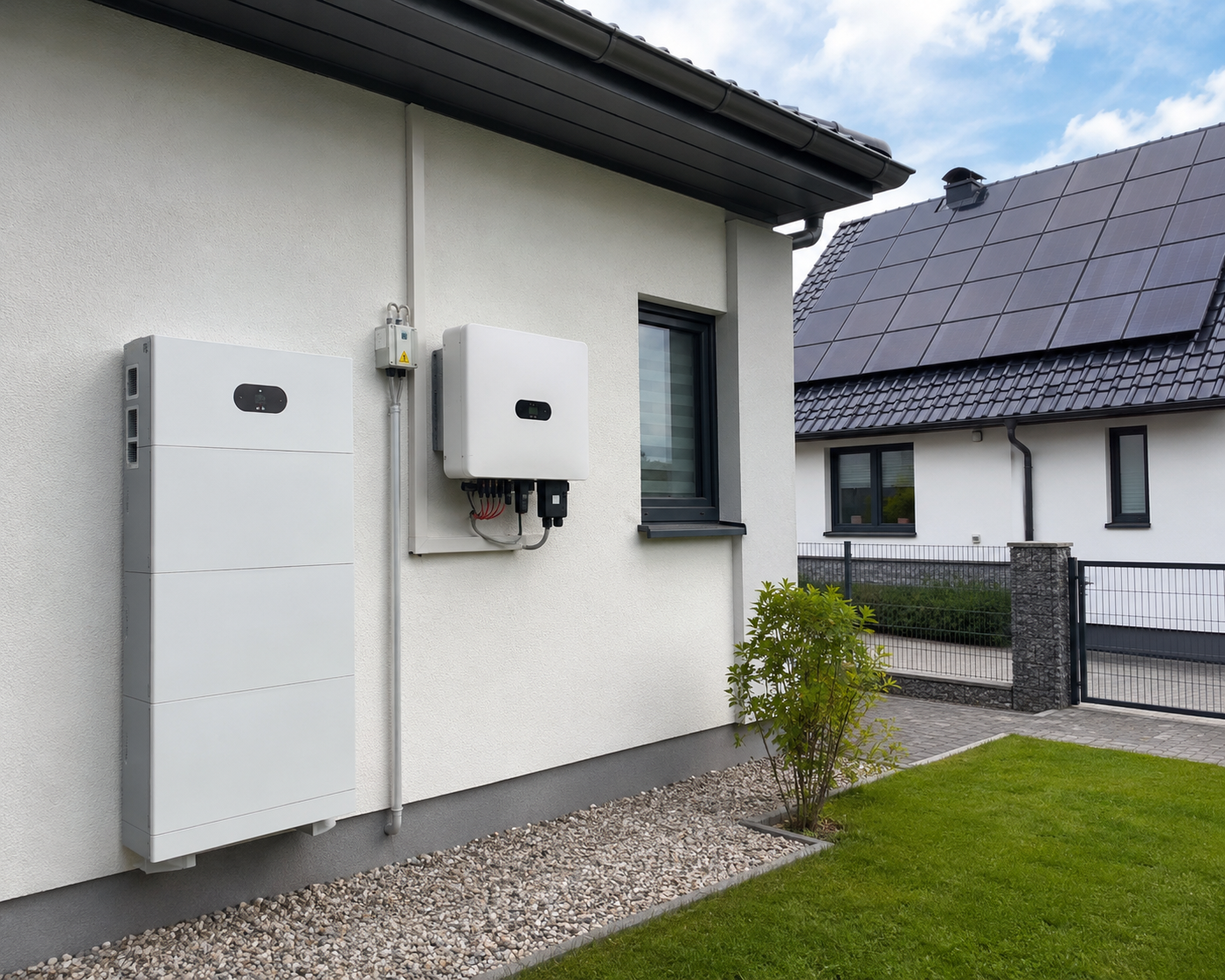 03
03Remote Site Ready
Suitable for farms, cabins, remote homes and small independent power systems.
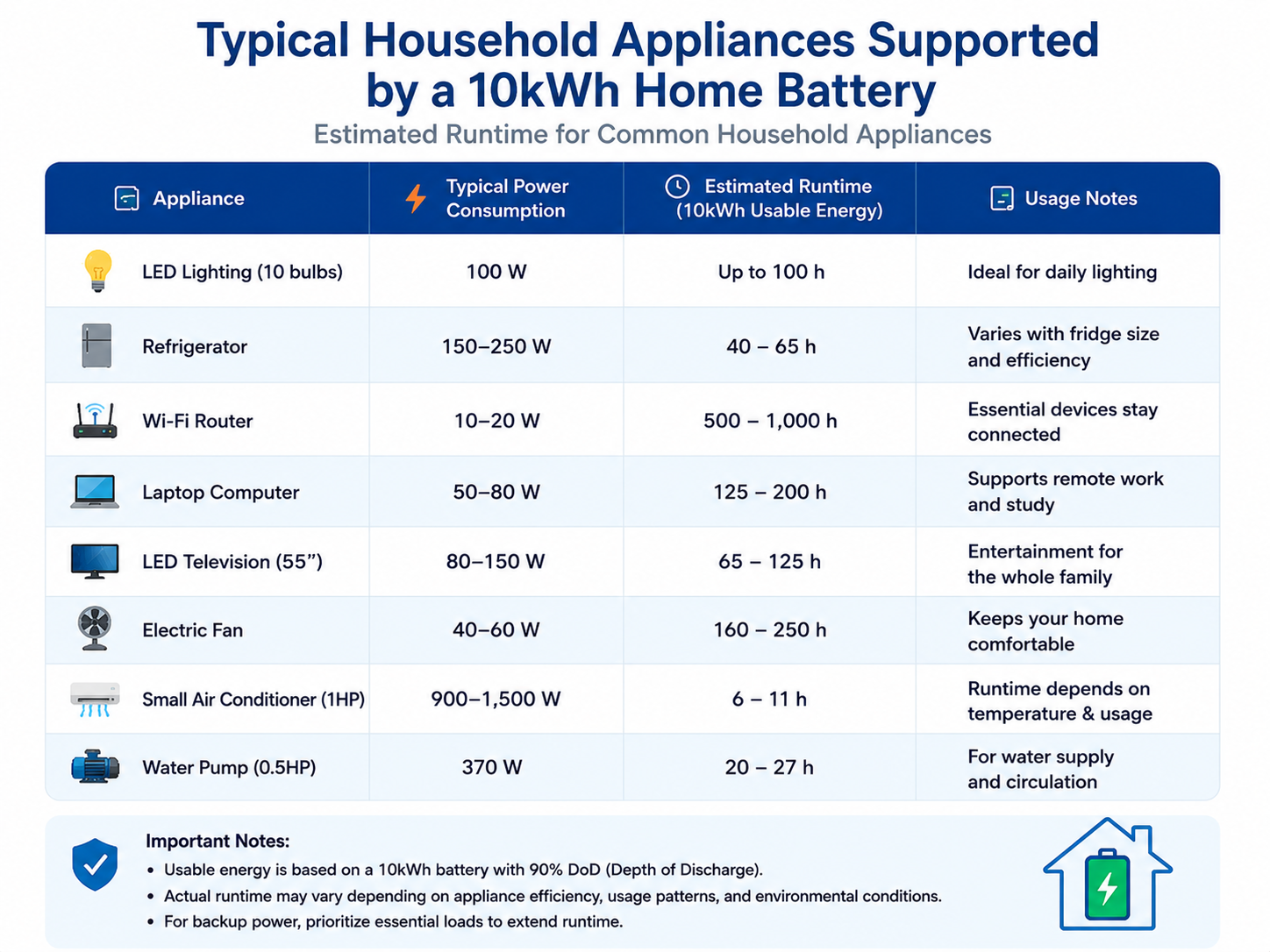 04
04Load-Based Selection
Model choice can be matched to daily consumption, peak load and required backup time.
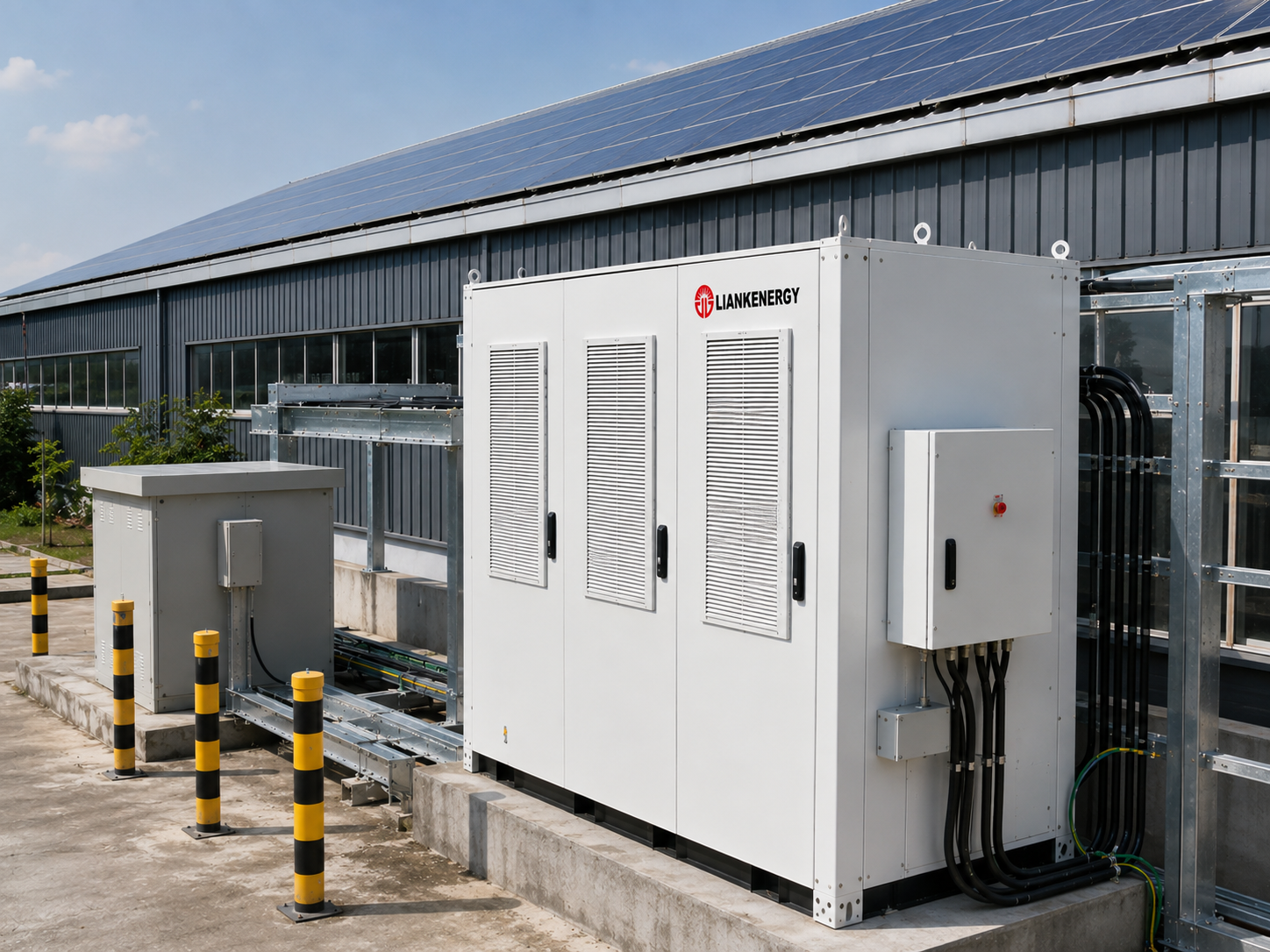 05
05Simple System Structure
Supports straightforward off-grid solar storage layouts with battery and PV input.
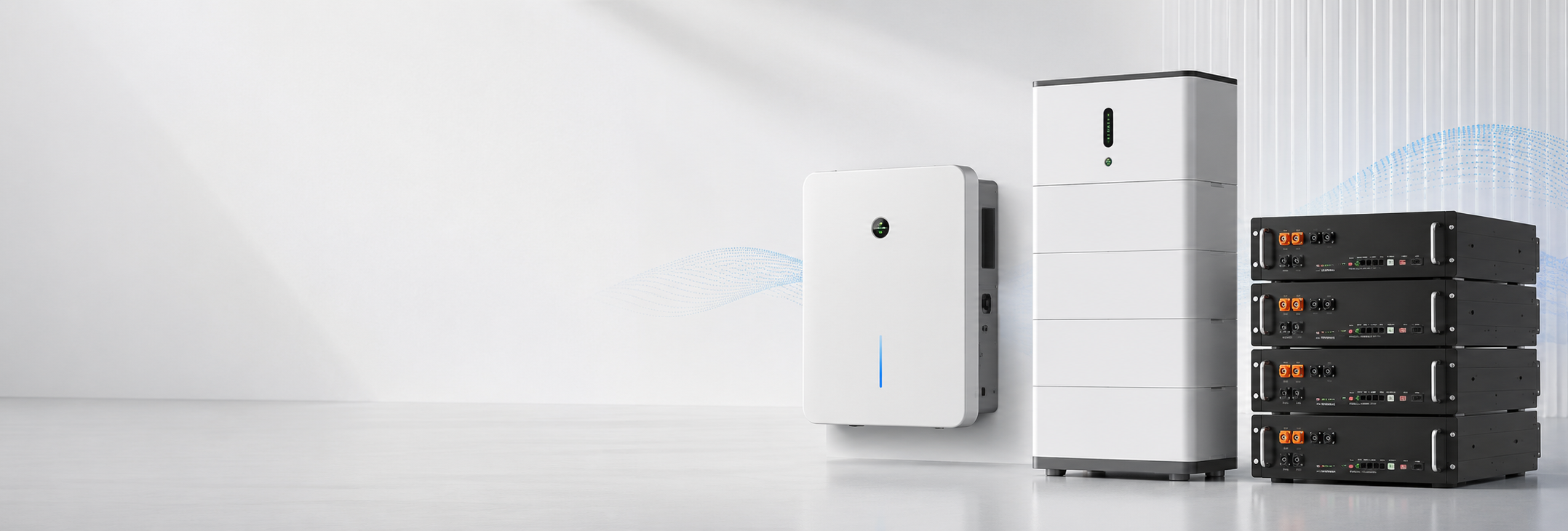 06
06Reliable Daily Use
Built for practical power conversion where stable electricity is essential.
Technical Specifications
Key parameters are centered and organized for quick comparison during project evaluation.
| Parameter | PV-INV 6.2kW | PV-INV 11kW |
|---|---|---|
| Factory Model | 6248SMH | 6248SMH |
| Input Mode | L+N+PE | L+N+PE |
| Rated Input Voltage | 220/230/240VAC | 220/230/240VAC |
| AC Voltage Range | 90-280VAC +/-3V (Normal Mode); 170-280VAC +/-3V (UPS Mode) | 90-280VAC +/-3V (Normal Mode); 170-280VAC +/-3V (UPS Mode) |
| Frequency Range | 50/60Hz (Auto-adaptive) | 50/60Hz (Auto-adaptive) |
| Rated Power – Battery Inversion | 6200W | 11000W |
| Rated Power – PV Inversion | 6500W | 12000W |
| Output Voltage | 220/230/240VAC +5% | 220/230/240VAC +5% |
| Output Frequency | 50/60Hz +/-0.1% | 50/60Hz +/-0.1% |
| Waveform | Pure sine wave | Pure sine wave |
| Conversion Time | 10ms for computer equipment; 20ms for household appliances | 10ms for computer equipment; 20ms for household appliances |
| Peak Power | 12400VA | 22000VA |
| Overload Capacity | Battery mode: 11s @105%-150% load; 2s @150%-200% load; 400ms @>200% load | Battery mode: 11s @105%-150% load; 2s @150%-200% load; 400ms @>200% load |
| Grid-tied Output Voltage | 220/230/240VAC | 220/230/240VAC |
| Grid-fed Voltage Range | 170-265VAC | 170-265VAC |
| Grid-fed Frequency Range | 49-51+/-1Hz / 59-61+/-1Hz | 49-51+/-1Hz / 59-61+/-1Hz |
| Nominal Output Current | 26.9A | 47.8A |
| Power Factor Range | >0.99 | >0.99 |
| Max Conversion Efficiency (DCHC) | 98% | 98% |
| Battery Rated Voltage | 48Vdc | 48Vdc |
| Constant Voltage Charging | 56.4Vdc | 56.4Vdc |
| Float Charging Voltage | 54Vdc | 54Vdc |
| PV Charging Mode | MPPT | Dual-channel MPPT |
| Maximum PV Input Power | 8500W | 2 x 7500W |
| MPPT Input Voltage Range | 60-500Vdc | 90-500Vdc |
| Optimal Vmp Operating Range | 360-430Vdc | 360-430Vdc |
| Maximum PV Input Voltage | 500Vdc | 500Vdc |
| Maximum PV Input Current | 27A | 27A / 27A |
| Maximum PV Charging Current | 120A | 150A |
| Maximum Mains Charging Current | 100A | 150A |
| Maximum Charging Current | 120A | 150A |
| Display | LCD interface; operating mode, load, input and output status | LCD interface; operating mode, load, input and output status |
| RS232 Interface | Baud rate: 2400 | Baud rate: 2400 |
| Expansion Interface | Lithium battery BMS communication card, WiFi card, dry contact card, etc. | Lithium battery BMS communication card, WiFi card, dry contact card, etc. |
| Parallel Operation Interface | Parallel operation (grid) function | Parallel operation (grid) function |
| Operating Ambient Temperature | -10 to 50 deg C | -10 to 50 deg C |
| Operating Ambient Humidity | 20%-95% (No condensation) | 20%-95% (No condensation) |
| Altitude | Altitude shall not exceed 1000m; derating applies above 1000m; maximum altitude 4000m; refer to IEC 62040 | Altitude shall not exceed 1000m; derating applies above 1000m; maximum altitude 4000m; refer to IEC 62040 |
| Noise Level | <=50dB | <=50dB |
| Dimensions | 310 x 120 x 460mm | 550 x 470 x 145mm |
Common Questions Before Selection
Each product page includes practical answers matched to the product type, helping customers understand fit before inquiry.
Where are off-grid inverters used?
They are used in remote homes, farms, cabins and sites where grid power is unavailable or unstable.
Do they work with batteries?
Yes. Off-grid systems typically use batteries to store solar energy for nighttime and backup use.
How should I choose the model?
Selection depends on load power, battery voltage, PV input and daily energy consumption.
Can an off-grid inverter connect to solar panels?
Yes. Off-grid systems typically combine PV input, battery storage and inverter output to provide independent electricity.
What information is needed for off-grid sizing?
Daily energy consumption, peak load power, battery capacity, PV input and backup time are important for selecting the right configuration.
Is it suitable for weak-grid areas?
Yes. Off-grid inverter systems are often used in remote or weak-grid locations where stable independent power is needed.
Need a Matched Off-Grid Inverters Configuration?
Send your application, capacity, voltage, power and backup-time requirements. LIANHENERGY will help review the suitable product route before quotation.